Why We Aren't Organic
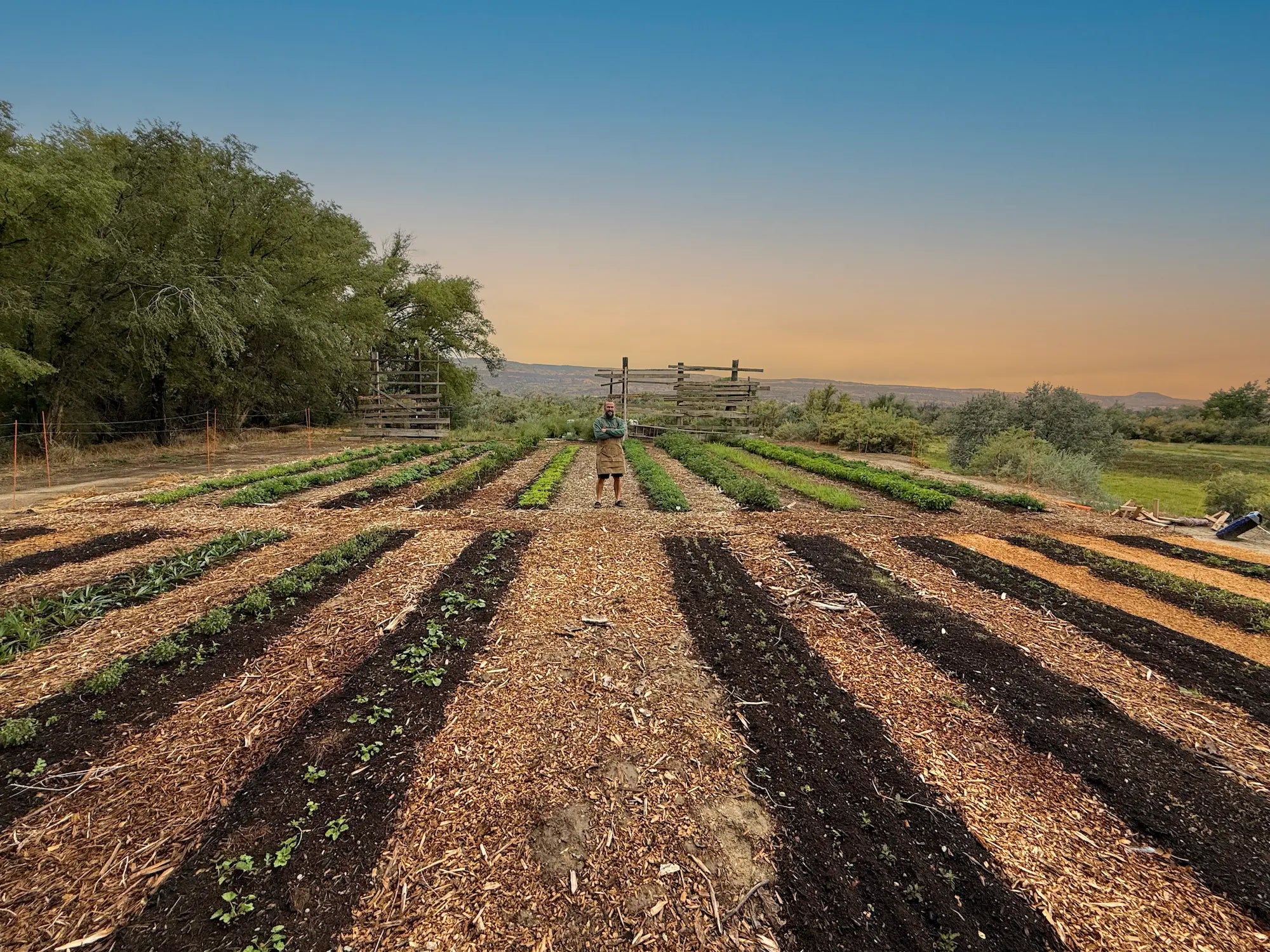
For our own farm, we’ve made a deliberate choice not to pursue organic certification. While many associate the word "organic" with quality, few realize how the system operates. For small, diversified farms like ours, each herb type is treated as its own crop, and certifying even a modest catalog of herbs can demand 30–40 hours per week of administrative paperwork. That’s time siphoned away from actually farming, replaced with endless forms and fees designed to favor industrial-scale operations.
We believe this system was never built for small farmers; it was built to keep us out. What’s more, organic certification would not improve the quality of our herbs, would not improve our soil, and would force us to raise prices significantly. We’d rather invest that time and energy into regenerative practices that genuinely nourish the land, like our use of Korean Natural Farming (KNF), closed-loop composting, and microbe-rich ferments.
What’s more, organic certification would not improve the quality of our herbs, would not improve our soil, and would force us to raise prices significantly. We’d rather invest that time and energy into regenerative practices that genuinely nourish the land, like our use of Korean Natural Farming (KNF), closed-loop composting, and microbe-rich ferments.
We also want to be honest about what “certified organic” still allows: glyphosate, chlorine, and even petroleum-based inputs are permitted under current organic regulations. These substances do not align with our vision of clean, conscious herbalism. We hold ourselves to a higher standard, one rooted in natural, chemical-free cultivation, deep soil stewardship, and traditional wisdom. Many customers assume that organic equals better. But the truth is, certification doesn’t measure soil health, biodiversity, or herbal potency. It doesn’t require regenerative practices, and it often masks industrial-scale farming with a green label. We’re not interested in that illusion.
在 Sacred Plant Co,我们在种植实践中坚持透明和诚信,这就是为什么我们有意识地决定不为我们的草药寻求有机认证。虽然有机种植通常被认为是一种理想的选择,但仍有一些重要的考虑因素需要考虑。
影响我们做出决定的一个重要因素是有机认证的成本高昂。该过程需要大量的文书工作、检查和费用,对于像我们这样的小型农场来说,这些费用可能高得令人望而却步。我们没有将资源分配给认证,而是优先投资于再生农业实践,以促进土壤的长期健康并确保我们草药的卓越品质。
此外,值得注意的是,有机农场可以使用某些化学品,如草甘膦、 石油和氯。虽然这些物质可能被批准用于有机农业,但它们不符合我们对可持续和再生实践的承诺。在 Sacred Plant Co,我们坚信种植草药时不依赖合成化学品,努力创造一个通过自然原则蓬勃发展的农业环境。
我们认识到,人们在选择有机产品时,可能认为自己购买了有机产品,但实际上却收到有机产品。虽然有机认证为农业实践设定了一定的标准,但考虑更广泛的背景也很重要。
首先,有机认证并不能保证土壤健康的最高水平或最终产品的卓越品质。有机农场在保持最佳土壤肥力和营养平衡方面仍面临挑战,这可能会影响草药的整体质量和功效。
此外,不同地区和认证机构对有机标准的解释和执行可能存在差异。这可能导致有机产品的质量和完整性不一致,以及在特定情况下允许使用某些合成物质的潜在漏洞。
我们的重点是优先考虑再生农业技术和使用韩国自然农业 (KNF) 方法。通过结合有机物、有益微生物和均衡的营养,我们滋养土壤并提高其自然肥力和恢复力。我们专注于恢复和振兴土壤生态系统,而不是依赖外部认证。
我们想向您保证,尽管没有获得有机认证,但我们种植的草药都是经过精心培育的,对品质一丝不苟。我们超越了传统的有机做法,确保我们的种植方法是可持续的、环保的,并能产出优质的草药。
选择 Sacred Plant Co,您可以相信我们对再生农业实践的承诺是我们所有工作的基石。我们邀请您探索我们精心培育的草药,每一种草药都体现了我们对可持续农业和卓越品质的奉献精神。
与我们一起接受一种新的药草种植标准,这种标准不是植根于昂贵的认证,而是植根于整体实践,优先考虑我们土壤的健康和地球的福祉。
地球上最独特的草药
汲取古老智慧,精心培育