


Last Updated: April 22, 2026
Adaptogenic Herbs Demystified: Science, Safety, Daily Protocols
 A daily ritual utilizing soil-grown adaptogens helps recalibrate the HPA axis, shifting the body from chronic fight-or-flight into restorative homeostasis.
The herbs we now call adaptogens were once considered the most prized botanicals on Earth. Royal physicians in ancient India guarded ashwagandha formulas. Daoist monks in China revered reishi as the "Mushroom of Immortality." Soviet pharmacologists ran clinical trials on rhodiola and eleuthero to give cosmonauts and Olympic athletes a measurable edge. Yet most adaptogens sold today are pale shadows of those ancient and clinical-grade preparations, ground from low-elevation, fast-grown plant material with little of the chemistry that made these botanicals legendary in the first place.
To recreate the potency described in ancient texts and Soviet pharmacopeias, we cannot rely on sterile, industrial fields. We must mimic the wild. At Sacred Plant Co, we use Korean Natural Farming (KNF) at our I·M·POSSIBLE Farm to build a living, microbially rich soil that pushes plants to produce the secondary metabolites, the withanolides, eleutherosides, ginsenosides, beta-glucans, and rosmarinic acids, that give true adaptogens their measurable effects. This is the work of restoring the lost intelligence of the plant. You can see the science behind our methods and the lab data that backs it up.
In this guide, we will demystify what an adaptogen actually is (and is not), explain how the HPA stress axis works in plain language, profile the five most evidence-backed adaptogens you can use daily, and walk you through safety, dosage, and quality cues so you can build a protocol you trust.
What You'll Learn
- The strict scientific definition of an adaptogen, and why most "adaptogen" products on the market do not qualify
- How the hypothalamic-pituitary-adrenal (HPA) axis governs your stress response, and how adaptogens modulate it
- Detailed profiles of five evidence-backed adaptogens: ashwagandha, tulsi, American ginseng, cordyceps, and reishi
- The exact phytochemicals that drive each herb's effects, with linked clinical studies
- How to identify premium, potent adaptogenic herbs by color, texture, and aroma (the Sensory Quality Check)
- Daily preparation methods, dosage ranges, and ritual practices for sustainable use
- Critical safety considerations: who should consult a practitioner, drug interactions, and contraindications
- Five common adaptogen marketing myths and how to spot them on a product label
- How to read a Certificate of Analysis so you can verify potency and purity in any herbal product
What Is an Adaptogen? The Real Definition
 The deep amber color of these slow-dried Ganoderma lucidum slices indicates a high concentration of the bitter triterpenes required for true nervous system modulation.
An adaptogen is a non-toxic plant or fungus that helps the body resist a wide range of physical, chemical, and biological stressors while normalizing physiological function, a definition first formalized in 1969 by Soviet pharmacologist Dr. Israel Brekhman. Brekhman was tasked with finding plant compounds that could help cosmonauts and elite athletes endure extreme stress without the crash of stimulants or the dulling of sedatives. The criteria he established remain the gold standard today.1
To qualify as a true adaptogen, an herb must meet three foundational principles:
- Non-specific action. It must help the body resist a broad range of stressors, not just one targeted problem.
- Normalizing influence. It must move the body toward homeostasis, lowering what is too high and raising what is too low (think cortisol, energy, immune signaling).
- Non-toxic at normal doses. It must be safe for daily use without disrupting normal physiology.
That bar is high, and it immediately disqualifies many herbs marketed as adaptogenic. Chamomile and turmeric are wonderful botanicals, but neither meets the criteria. Modern researchers have refined Brekhman's framework around how these herbs modulate the HPA axis (hypothalamic-pituitary-adrenal system), the central command center of stress physiology. When the HPA axis is chronically overstimulated, it produces fatigue, brain fog, weakened immunity, and metabolic dysregulation. True adaptogens recalibrate the sensitivity of this axis rather than blocking or suppressing it.2
Roughly fifteen botanicals worldwide have enough clinical and historical evidence to be classified as true adaptogens by both Soviet criteria and modern research standards. The most studied include ashwagandha (Withania somnifera), rhodiola (Rhodiola rosea), eleuthero (Eleutherococcus senticosus), reishi (Ganoderma lucidum), tulsi or holy basil (Ocimum sanctum), schisandra (Schisandra chinensis), Panax ginseng, American ginseng (Panax quinquefolius), shilajit, licorice root (Glycyrrhiza glabra), cordyceps, maca (Lepidium meyenii), guduchi or giloy (Tinospora cordifolia), he shou wu (Polygonum multiflorum), and sea buckthorn (Hippophae rhamnoides).
How Adaptogens Work: The Stress Axis in Plain English
 Rather than pushing the body with stimulants, genuine adaptogens negotiate with your stress axis, providing sustained, jitter-free vitality throughout the day.
Adaptogens work by modulating the HPA axis, your body's central stress-response system, helping it return to balance instead of staying locked in fight-or-flight mode. The HPA axis is a feedback loop between three glands: the hypothalamus and pituitary in your brain, and the adrenals on top of your kidneys. When your brain perceives a threat (a deadline, a fight, a missed meal), it signals the adrenals to release cortisol and adrenaline, mobilizing energy. In short bursts, this is lifesaving. Under chronic pressure, it becomes corrosive.3
Where stimulants push and sedatives pull, adaptogens negotiate. They smooth hormonal overreactions, restore exhausted reserves, and recalibrate the feedback signals between brain and adrenals. If cortisol is running too high, herbs like ashwagandha and reishi help bring it down. If it has bottomed out from burnout, ginseng and cordyceps can support a healthier rebound. The same herb can produce different effects in different bodies because it is responding to your needs, not overriding them.
Key Phytochemicals That Drive the Effect
Each adaptogen contains a unique fingerprint of compounds responsible for its activity in the body:
- Withanolides in ashwagandha modulate cortisol and GABA receptor activity, supporting calmer stress reactivity.
- Salidroside and rosavin in rhodiola enhance cellular resilience to fatigue and support cognitive endurance.
- Beta-glucans in reishi and other medicinal mushrooms support immune modulation and nervous system tone.
- Eugenol and ursolic acid in tulsi offer anti-inflammatory and neuroprotective actions.
- Ginsenosides in American and Asian ginseng support energy metabolism and cognitive performance.
- Cordycepin and adenosine in cordyceps enhance ATP production and oxygen utilization.
These compounds are not generated by accident. They are defense and signaling molecules that plants build when they interact with a living, microbially diverse soil. Sterile fields produce sterile chemistry. Living soil produces measurable medicine.
Snapshot of Clinical Evidence
Modern research continues to confirm what traditional systems have known for centuries:
- Ashwagandha. A double-blind, placebo-controlled trial of 64 chronically stressed adults showed a 27.9% reduction in serum cortisol after 60 days of high-concentration ashwagandha extract, alongside significant drops in anxiety and fatigue scores.4
- Rhodiola rosea. A 28-day trial in medical interns demonstrated significant improvements in mental fatigue, working memory, and overall well-being, with no meaningful side effects reported.5
- Reishi (Ganoderma lucidum). A placebo-controlled trial in breast cancer survivors found that reishi spore powder significantly improved sleep quality, reduced fatigue, and modulated immune markers across an 8-week period.6
- Tulsi (Holy Basil). A 6-week pilot trial showed daily tulsi leaf extract significantly reduced symptoms of stress, exhaustion, sleep disturbance, and forgetfulness.7
The pattern is consistent. Adaptogens do not suppress symptoms in the moment. They reshape how the body responds to stress over weeks and months.
Meet the Core Five: Nature's Most Trusted Adaptogens
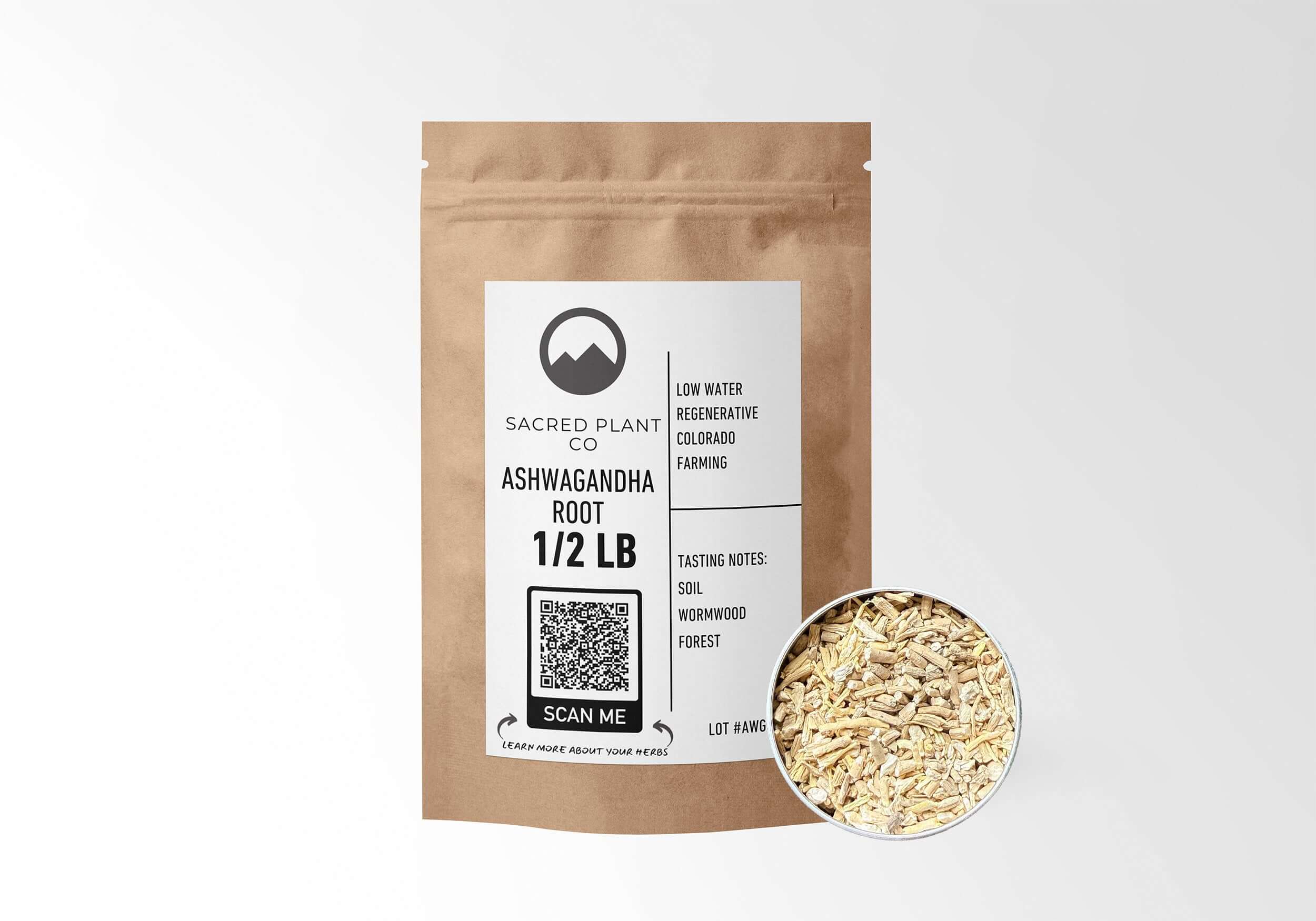
 The pale, creamy color of properly cured Withania somnifera signals that its delicate withanolides—the compounds responsible for cortisol modulation—remain entirely intact.
The five adaptogens with the deepest combination of clinical evidence, traditional use, and daily practicality are ashwagandha, tulsi, American ginseng, cordyceps, and reishi. Each one has its own personality, its own mechanism, and its own ideal moment in the day. Used together over time, they form a complete toolkit for resilience.
Ashwagandha (Withania somnifera)
Tradition: A foundational Ayurvedic herb for over 3,000 years, traditionally used to restore energy, calm the mind, and balance the stress response.
Science: Consistently shown to reduce cortisol, improve sleep latency, and lower anxiety scores in randomized trials.
Best for: Wired-but-tired evenings, recovery from chronic stress, sleep support.
Protocol: Simmer 1 to 2 teaspoons of cut and sifted root for 15 to 20 minutes, or blend 1 teaspoon of powdered root into warm milk before bed.
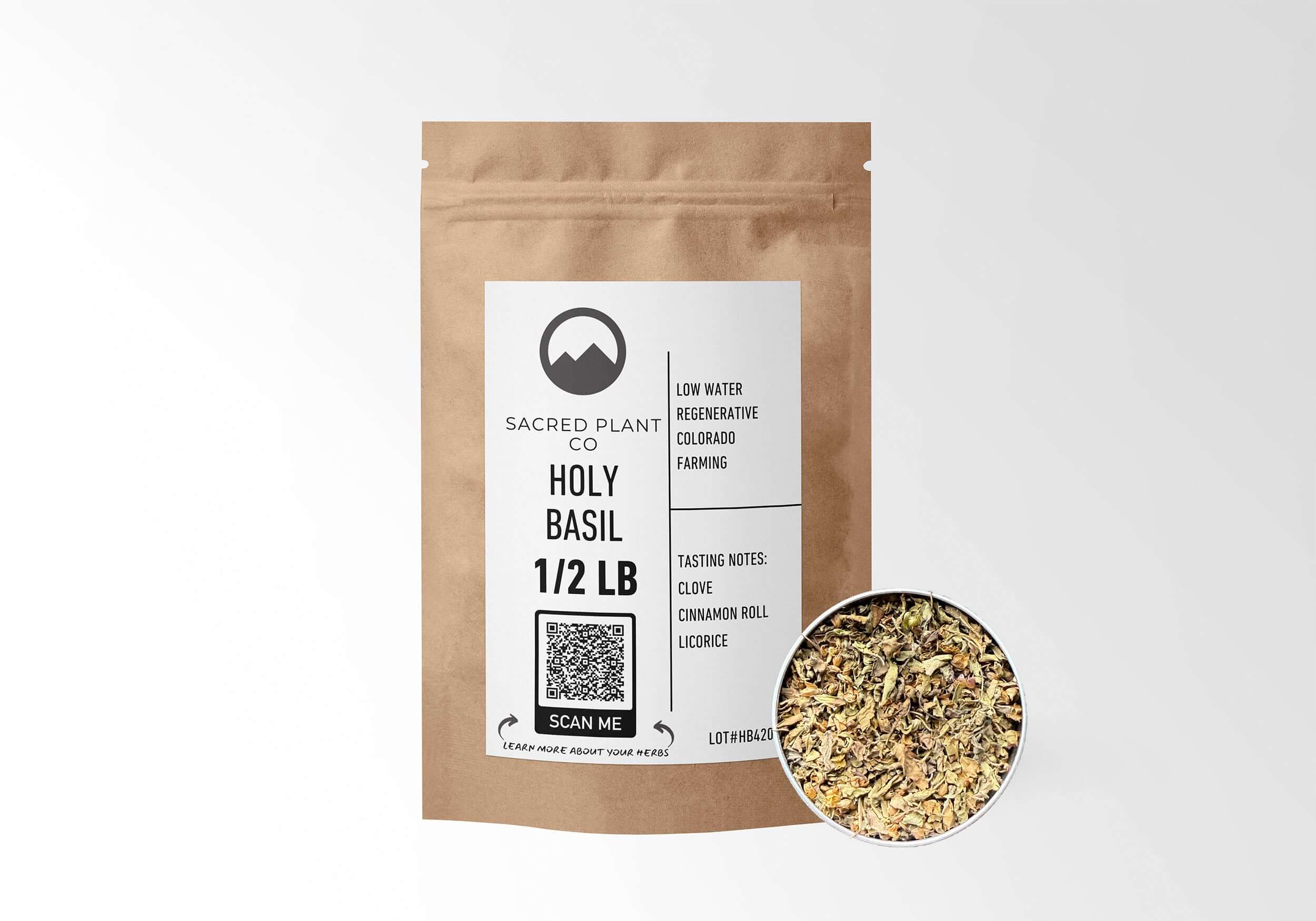
Tulsi (Holy Basil, Ocimum sanctum)
Tradition: Considered sacred across India and known as the "Queen of Herbs," tulsi is a daily heart-and-mind tonic woven into Ayurvedic ritual.
Science: Clinical trials support its capacity to reduce stress, support cognition, and protect against oxidative damage.
Best for: Morning clarity, immune support, gentle daily mood lift.
Protocol: Steep 2 to 3 grams of dried tulsi leaf in hot water for 8 to 10 minutes. Excellent both warm and iced.
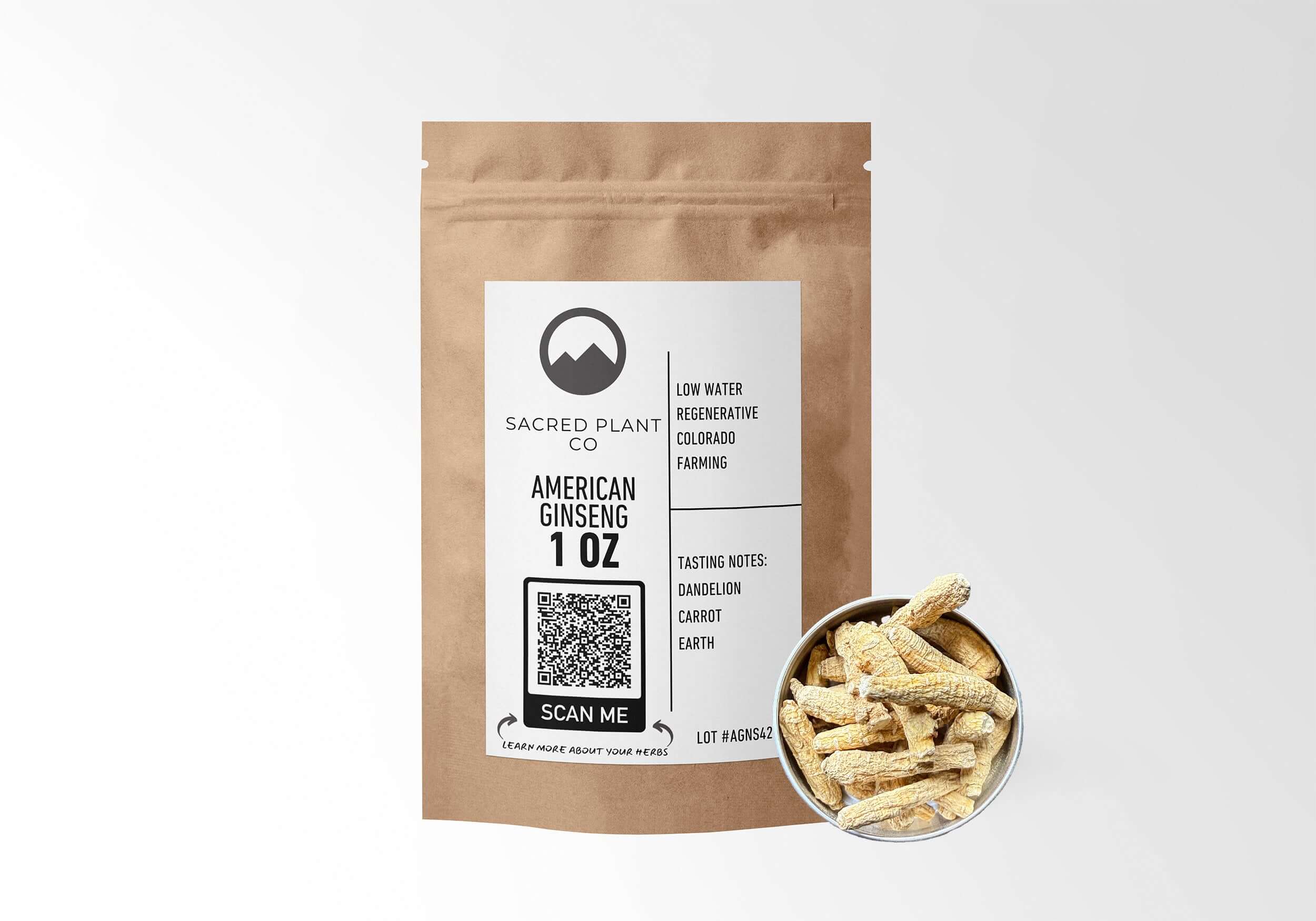
American Ginseng (Panax quinquefolius)
Tradition: Honored in both Indigenous North American and Traditional Chinese Medicine systems, American ginseng is considered cooling and restorative, in contrast to the warming nature of Asian ginseng.
Science: Research highlights benefits for blood sugar balance, immune modulation, and mental stamina, making it a go-to for burnout recovery.
Best for: Midday focus, post-burnout rebuild, athletes seeking sustainable energy.
Protocol: Simmer 1 to 2 grams of dried root for 20 minutes. Best taken in morning or early afternoon to avoid sleep disruption.
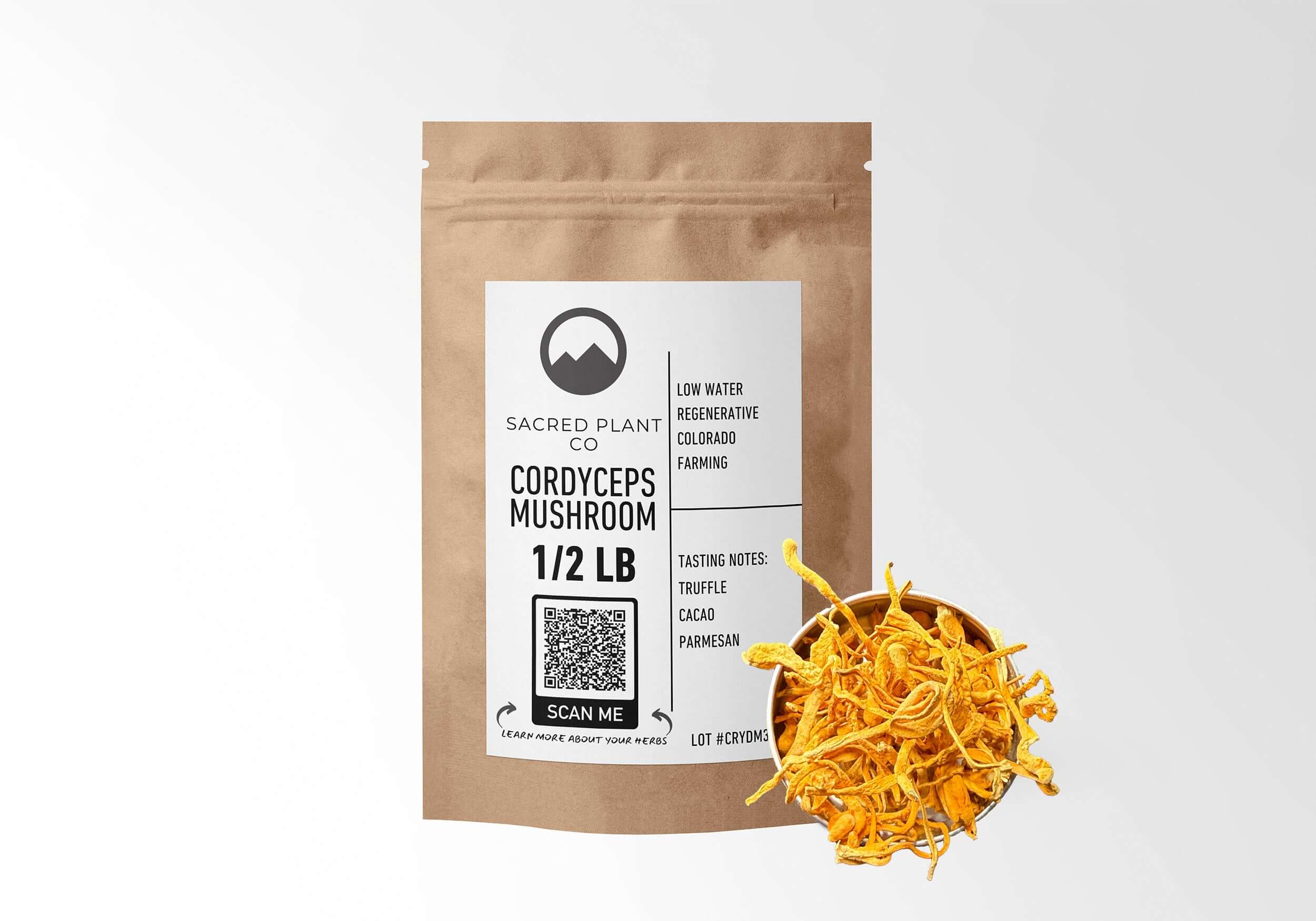
Cordyceps (Cordyceps militaris)
Tradition: Originally wild-harvested on high-altitude Himalayan plateaus, cordyceps has been used for centuries in Tibetan and Chinese medicine as a vitality, libido, and lung tonic.
Science: Shown to enhance ATP production, oxygen utilization, and exercise tolerance.
Best for: Athletic endurance, cardiovascular and lung support, libido.
Protocol: Use 1 to 2 grams daily of dried fruiting bodies, simmered into tea or broth for at least 20 minutes.
Reishi (Ganoderma lucidum)
Tradition: Known in Daoist medicine as the "Mushroom of Immortality," reishi has been used for over 2,000 years to calm the spirit (Shen), nourish longevity, and deepen meditation.
Science: Rich in beta-glucans and triterpenes that support immune modulation, sleep architecture, and nervous system tone.
Best for: Evening wind-down, immune resilience, meditation support.
Protocol: Simmer 1 to 2 grams of dried slices for at least 30 to 45 minutes (the active triterpenes need a long, low decoction to extract). Excellent in soups and bedtime tonics.
Each of these allies pairs naturally with the others. Tulsi in the morning for clarity, ginseng or cordyceps midday for stamina, ashwagandha or reishi in the evening for downshift. For a structured walkthrough of building a stack like this, our companion guide on herbs for adrenal fatigue goes deeper into recovery protocols, while the HRV herbal protocol shows how to track your nervous system's response over time.
How to Identify Premium Adaptogenic Herbs (The Sensory Quality Check)
You can evaluate the quality of an adaptogen before you ever brew it by checking three sensory cues: color saturation, tactile texture, and aroma intensity. Industrially grown, fast-dried, or oxidized herbs lose these markers in obvious ways. Living-soil, slow-dried herbs hold them.
Use this checklist when you open any new bag of adaptogenic herb:
- Ashwagandha root: Should appear pale beige to creamy white on the inside cut, never dark brown or grey. The aroma is famously horse-like (the Sanskrit name means "smell of horse"), earthy and slightly sweet. A dusty, scentless powder is a sign of old or oxidized stock.
- Tulsi leaf: Vibrant green, never khaki or grey-brown. When you crush a leaf between your fingers, it should release a clove-like, peppery, slightly sweet aroma immediately. A flat smell means flat medicine.
- American ginseng root: Cross-sections should show concentric rings and a creamy ivory color. The taste is bittersweet with a distinct cooling, almost licorice-like finish. Wood-like blandness signals over-aged or low-grade root.
- Cordyceps militaris: Whole fruiting bodies should be a vivid orange to apricot color, never pale yellow or brown. They should snap cleanly when bent, not bend rubberily.
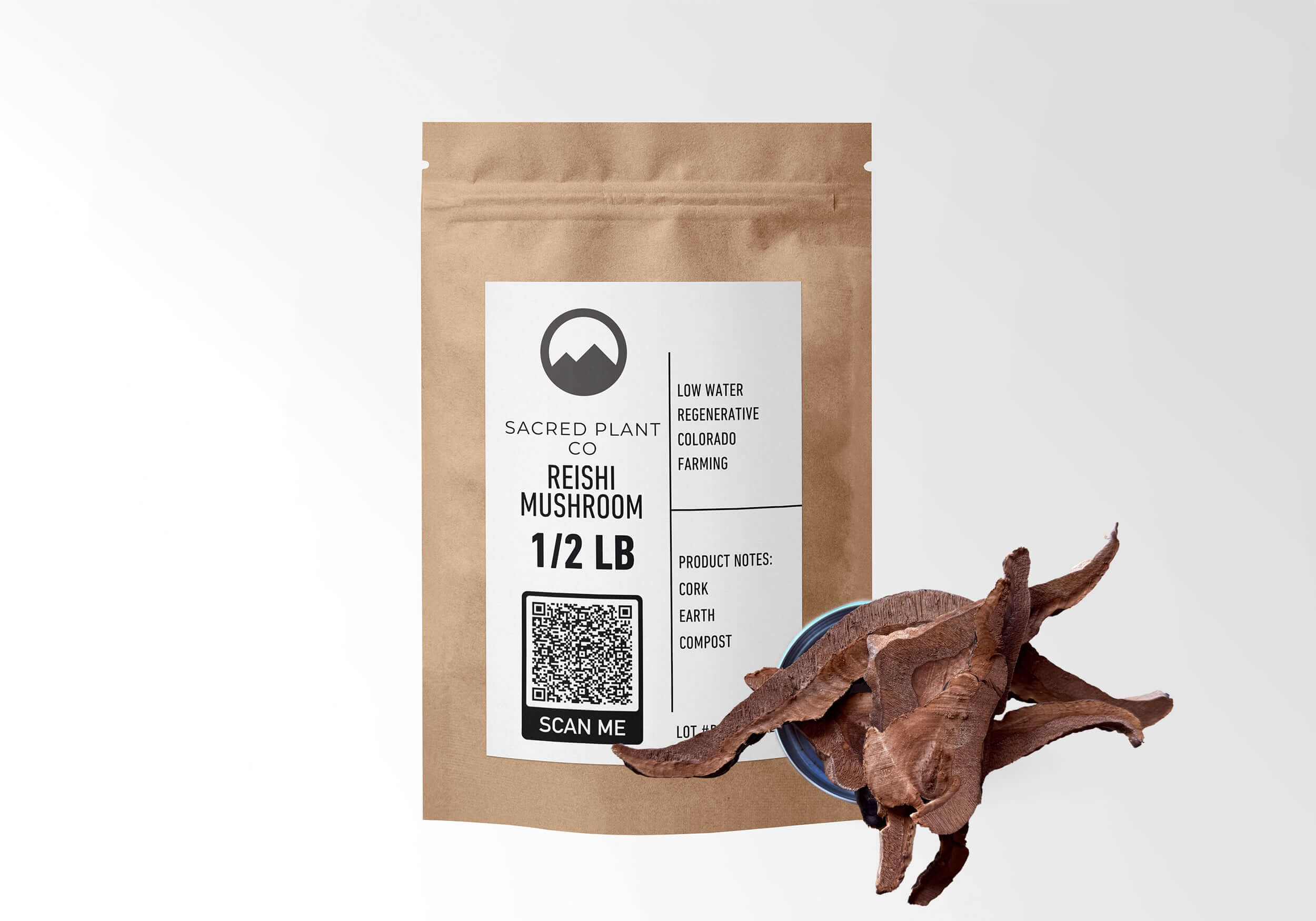
- Reishi slices: A glossy, lacquered upper surface with a deep mahogany to amber color. The taste is markedly bitter (this is good, the bitter triterpenes are the active compounds). A flavorless reishi is a powerless reishi.
These cues are direct evidence of the soil and the drying process. Slow drying at low temperature, away from light and oxygen, preserves volatile aromatics and pigment compounds. Industrial dryers and long warehouse storage destroy them. For a deeper walkthrough of how regenerative methods translate into measurable potency in your cup, see our companion piece on how regenerative farming impacts herb potency.
Daily Protocol: Preparation, Dosage, and Ritual
For most healthy adults, the foundational adaptogen protocol is one to two grams of dried whole-form herb per day, taken as tea, decoction, or warm milk infusion, ideally at the same time each day for at least four to six weeks. Adaptogens are not an in-the-moment fix. Their value compounds with consistency.
General Dosage Ranges (Whole Dried Herb)
- Ashwagandha root: 1 to 2 teaspoons (3 to 6 grams) daily, typically as a decoction or warm milk infusion before bed.
- Tulsi leaf: 2 to 3 grams daily, brewed as tea, morning or afternoon.
- American ginseng: 1 to 2 grams daily, simmered. Morning or midday only.
- Cordyceps: 1 to 2 grams daily, simmered into tea or broth. Morning or pre-workout.
- Reishi: 1 to 2 grams daily, decocted for 30 to 45 minutes. Evening preferred.
Ritual and Preparation
The "Sacred" in Sacred Plant Co is not metaphor. It is a recognition that intention shapes outcome. The act of measuring, simmering, and drinking an herb with attention is part of the medicine. We encourage a simple morning or evening ritual: pour the water, watch the herb steep, take three breaths, and drink slowly. This practice alone shifts your nervous system into a parasympathetic state, amplifying the herb's effect.
For storage, keep all dried adaptogenic herbs in airtight, light-blocking containers in a cool cupboard. For our complete guidance on preserving potency, see our guide on how to buy, store, and use herbs in bulk.

Ashwagandha Root, Cut & Sifted
Starting at $14.36
Tasting Notes: Earthy, slightly bitter, faintly sweet with the signature horse-like aroma that signals withanolide-rich, soil-grown root.
Caffeine-FreeThe foundational Ayurvedic adaptogen. Cut and sifted whole root, ready to simmer into a calming evening decoction or warm milk infusion.
Shop Ashwagandha RootLab Transparency: Certificate of Analysis
Every batch of Sacred Plant Co adaptogenic herbs is third-party lab tested for heavy metals, microbials, and pesticide residues. Because COA documents are batch-specific and rotate with each new harvest, please request the current COA for your lot number directly. We will email you the most recent lab report for the herb you purchased.
New to lab reports? Our complete walkthrough explains exactly what to look for: How to Read a Certificate of Analysis.
Safety and Contraindications: What to Know Before You Begin
 While adaptogens build systemic resilience, their biologically active nature means selecting the right herb for your unique constitution is critical for long-term safety.
Adaptogens are well tolerated by most healthy adults, but they are biologically active and can interact with medications, hormones, and immune function, so several groups should consult a qualified healthcare provider or clinical herbalist before starting a daily protocol. Gentle does not mean universally appropriate.
Medical Contraindications and Drug Interactions
- Pregnancy and breastfeeding. Ashwagandha and cordyceps may influence hormone levels, and there is insufficient safety data for many adaptogens during pregnancy. Tulsi and reishi are sometimes used traditionally in these contexts, but always coordinate with your provider.
- Autoimmune conditions and immunosuppressant medications. Reishi, cordyceps, and tulsi may stimulate immune function. If you are managing an autoimmune disease or taking immune-suppressing medications, consult your physician before use.
- Blood sugar, blood pressure, or psychiatric medications. American ginseng, ashwagandha, and tulsi can lower blood sugar and may interact with SSRIs, benzodiazepines, blood pressure medication, or thyroid medication. Dosage adjustments and monitoring may be needed.
- Thyroid disorders. Ashwagandha may increase thyroid hormone levels. Anyone with hyperthyroidism, Graves' disease, or on thyroid replacement therapy should consult their endocrinologist.
- Surgery. Discontinue adaptogens at least two weeks before scheduled surgery, as some may affect blood clotting or anesthesia metabolism.
- Children and adolescents. Most adaptogenic protocols are designed for adult physiology. Use in minors should be supervised by a knowledgeable practitioner.
Traditional and Energetic Considerations
In Ayurveda and Traditional Chinese Medicine, adaptogens are matched to a person's constitution, not prescribed universally. A few principles worth knowing:
- Heating versus cooling. Asian ginseng and ashwagandha are considered warming and may aggravate Pitta types or those with heat signs. American ginseng and reishi are considered cooler and often better suited to heat-prone constitutions.
- Stimulating versus calming. Cordyceps and Asian ginseng are more activating and best taken in the morning. Reishi and ashwagandha are downshifting and ideal for evening.
- Single herb first. Traditional practice recommends starting with one adaptogen for several weeks before stacking, so you can observe how your body responds.
Quality Matters: Why Source Is Everything
Most adverse reactions to adaptogens trace not to the herbs themselves but to how they were grown, processed, and stored. Pesticide residue, improper drying, irradiation, and adulteration with cheap fillers are documented problems in the bulk herb industry. Many low-cost standardized extracts are produced with harsh solvents and high heat, stripping away the synergistic compounds that make whole-form herbs effective in the first place. This is why third-party lab testing and full-batch transparency are non-negotiable. You should always know what is in your jar and where it came from.
Less Is More
Adaptogens are not stimulants to be stacked for intensity. Their brilliance lies in modest, consistent doses taken over weeks and months. If you are new to these herbs, start with one. Notice how your body responds. Add a second only after you have a clear baseline. The goal is not to do more. It is to do better with less stress.
Myths and Marketing Traps: What Most Brands Get Wrong
The five most common adaptogen marketing myths are: that everything is an adaptogen, that they work instantly, that more herbs equal more benefit, that all adaptogens are universally safe, and that "standardized extract" automatically means higher quality. Knowing these traps will save you money and protect your nervous system.
Myth 1: "Everything Is an Adaptogen"
Only about fifteen botanicals worldwide meet the formal scientific criteria. Calling chamomile or turmeric an adaptogen is marketing, not pharmacology. Truth: True adaptogens must be non-toxic, non-specific, and homeostasis-restoring. This is a tightly defined group, not a free-for-all.
Myth 2: "Adaptogens Work Instantly"
Some products promise zen in twenty minutes. That is not how adaptogens work. Truth: Benefits compound over weeks of consistent daily use. Think months, not minutes.
Myth 3: "More Herbs Equal More Benefits"
You will see formulas with ten or more adaptogens crammed into a single capsule. High counts do not equal high effectiveness. Truth: Combining too many herbs at once dilutes potency and can create opposing effects. One or two thoughtfully chosen adaptogens at proper dose work better than a flashy list.
Myth 4: "All Adaptogens Are Safe for Everyone"
Adaptogens are biologically active. They interact with medications, hormones, and immune signaling. Truth: Use intention. If you are pregnant, on prescription medication, or managing a chronic condition, consult a knowledgeable practitioner first.
Myth 5: "Standardized Extract Means Better Quality"
Many standardized extracts are produced with industrial solvents and high heat that destroy the supporting compounds in the plant. Truth: Whole-form, slow-dried, lab-tested herbs preserve the entire spectrum of plant intelligence, not just one isolated marker compound.
Frequently Asked Questions
Do adaptogens raise or lower cortisol?
Adaptogens do both, depending on what your body needs, which is precisely what makes them adaptogens. If your cortisol is chronically elevated from anxiety or overwork, herbs like ashwagandha or reishi help lower it. If your cortisol has bottomed out from prolonged burnout, ginseng or cordyceps can support a healthier rebound. They modulate, not override.
How long before I feel results from adaptogens?
Most people notice subtle shifts in sleep, mood, or stamina within seven to ten days, with fuller adaptogenic effects building over four to six weeks of consistent daily use. Adaptogens are not stimulants and do not produce immediate sensation. They reshape how your body responds to stress over time.
Should I cycle adaptogens or take them continuously?
Most adaptogens can be taken continuously without dependency or receptor desensitization, though a one-week break every two to three months can help you reassess your baseline. If you are using a specific adaptogen for a targeted effect (American ginseng for energy, reishi for sleep), short pauses help you confirm the herb is still doing meaningful work.
Are adaptogens safe to take with antidepressants or anti-anxiety medications?
Several adaptogens, especially ashwagandha and tulsi, may influence serotonin, dopamine, or GABA pathways and can interact with SSRIs, benzodiazepines, or thyroid medications. They are not necessarily incompatible, but they should be introduced with the knowledge of your prescribing physician, not casually layered on top.
Can I take multiple adaptogens at the same time?
Yes, but start with one for at least two to four weeks before adding a second so you can observe how each herb affects you individually. A common stack pattern is tulsi or American ginseng in the morning for clarity, with ashwagandha or reishi in the evening for downshift. Avoid blends with more than three adaptogens until you have established personal baselines.
What is the difference between adaptogens and nervines?
Adaptogens recalibrate the HPA stress axis over weeks of use, while nervines (like skullcap, milky oats, and lemon balm) work more directly and immediately on the nervous system to soothe acute tension. The two categories pair beautifully. Adaptogens build long-term resilience while nervines support you through sharp moments. For pairing examples, see our guide on nurturing the nervous system with adaptogens and calmatives.
What makes Sacred Plant Co adaptogens different?
Our adaptogens are grown or sourced through regenerative Korean Natural Farming practices that build soil microbiology, then small-batch dried at low temperature to preserve aroma, color, and phytochemical integrity. No irradiation, no high-heat processing, no fillers. Every batch is third-party lab tested and traceable to its lot. Living soil produces the chemistry that makes these herbs work, and that is what we put in your jar.
Continue Your Learning
Because adaptogens work best as part of a larger nervous-system practice, these companion guides extend the protocol in different directions:
- For a deep dive on the foundational adaptogen, our complete guide to ashwagandha covers history, withanolides, and dosing in detail.
- If you are torn between two of the most popular options, see our head-to-head ashwagandha vs. holy basil comparison to choose the right starting point.
- Tulsi has its own ceremonial heritage. Our profile of Holy Basil as a sacred adaptogen includes a daily tea recipe.
- For athletes and high-performers, our cordyceps deep dive covers ATP production and endurance benefits.
- To track how your nervous system actually responds to your protocol, see the HRV Herbal Protocol.
- For sustained natural energy without stimulant crash, our guide to boosting energy naturally with powerful herbs rounds out the picture.
Final Thoughts: Resilience Is Cultivated, Not Hacked
 We rely on microbially rich, living soil to stress our plants just enough—forcing them to produce the potent secondary metabolites that become our medicine.
Adaptogens are not performance hacks. They are partners in remembering how to respond to stress instead of merely react to it. They help you root into balance, build endurance for the long game, and soften the sharp edges of daily pressure without sedating your spirit or overclocking your mind.
At Sacred Plant Co, we grow and source adaptogens with reverence for the land, the plant, and the person who receives them. Every root, leaf, and slice we offer is the product of soil-building practices, hands-on harvesting, and a refusal to compromise on quality. Whether you are exploring adaptogens for the first time or deepening an existing protocol, let your choices be intentional. Choose herbs grown in living soil, not industrial greenhouses. Choose protocols that align with your body, not your feed. And choose brands that honor tradition rather than chase a trend.
References
- Panossian A, Wikman G. "Effects of Adaptogens on the Central Nervous System and the Molecular Mechanisms Associated with Their Stress-Protective Activity." Pharmaceuticals (Basel). 2010;3(1):188-224. https://www.ncbi.nlm.nih.gov/pmc/articles/PMC3991026/
- Liao LY, He YF, Li L, et al. "A preliminary review of studies on adaptogens: comparison of their bioactivity in TCM with that of ginseng-like herbs used worldwide." Chinese Medicine. 2018;13:57. https://www.ncbi.nlm.nih.gov/pmc/articles/PMC6240259/
- Smith SM, Vale WW. "The role of the hypothalamic-pituitary-adrenal axis in neuroendocrine responses to stress." Dialogues in Clinical Neuroscience. 2006;8(4):383-395. https://www.ncbi.nlm.nih.gov/pmc/articles/PMC3181830/
- Chandrasekhar K, Kapoor J, Anishetty S. "A prospective, randomized double-blind, placebo-controlled study of safety and efficacy of a high-concentration full-spectrum extract of ashwagandha root in reducing stress and anxiety in adults." Indian Journal of Psychological Medicine. 2012;34(3):255-262. https://www.ncbi.nlm.nih.gov/pmc/articles/PMC3573577/
- Spasov AA, Wikman GK, Mandrikov VB, et al. "A double-blind, placebo-controlled pilot study of the stimulating and adaptogenic effect of Rhodiola rosea SHR-5 extract on the fatigue of students caused by stress during an examination period." Phytomedicine. 2000;7(2):85-89. https://pubmed.ncbi.nlm.nih.gov/10839209/
- Zhao H, Zhang Q, Zhao L, et al. "Spore Powder of Ganoderma lucidum Improves Cancer-Related Fatigue in Breast Cancer Patients Undergoing Endocrine Therapy." Evidence-Based Complementary and Alternative Medicine. 2012;2012:809614. https://www.ncbi.nlm.nih.gov/pmc/articles/PMC3409569/
- Bhattacharyya D, Sur TK, Jana U, Debnath PK. "Controlled programmed trial of Ocimum sanctum leaf on generalized anxiety disorders." Nepal Medical College Journal. 2008;10(3):176-179. https://pubmed.ncbi.nlm.nih.gov/19253862/


