Why We Aren't Organic
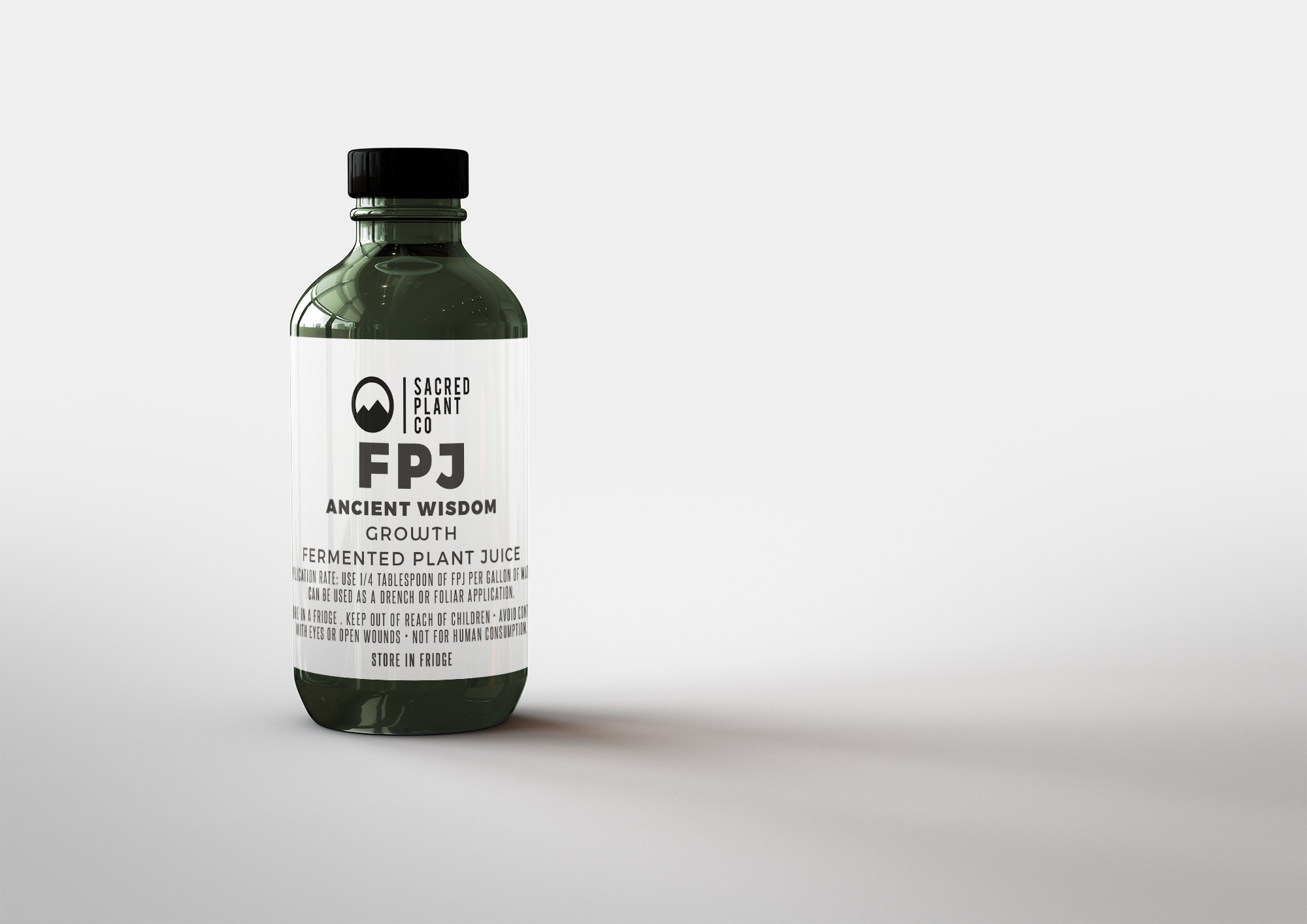
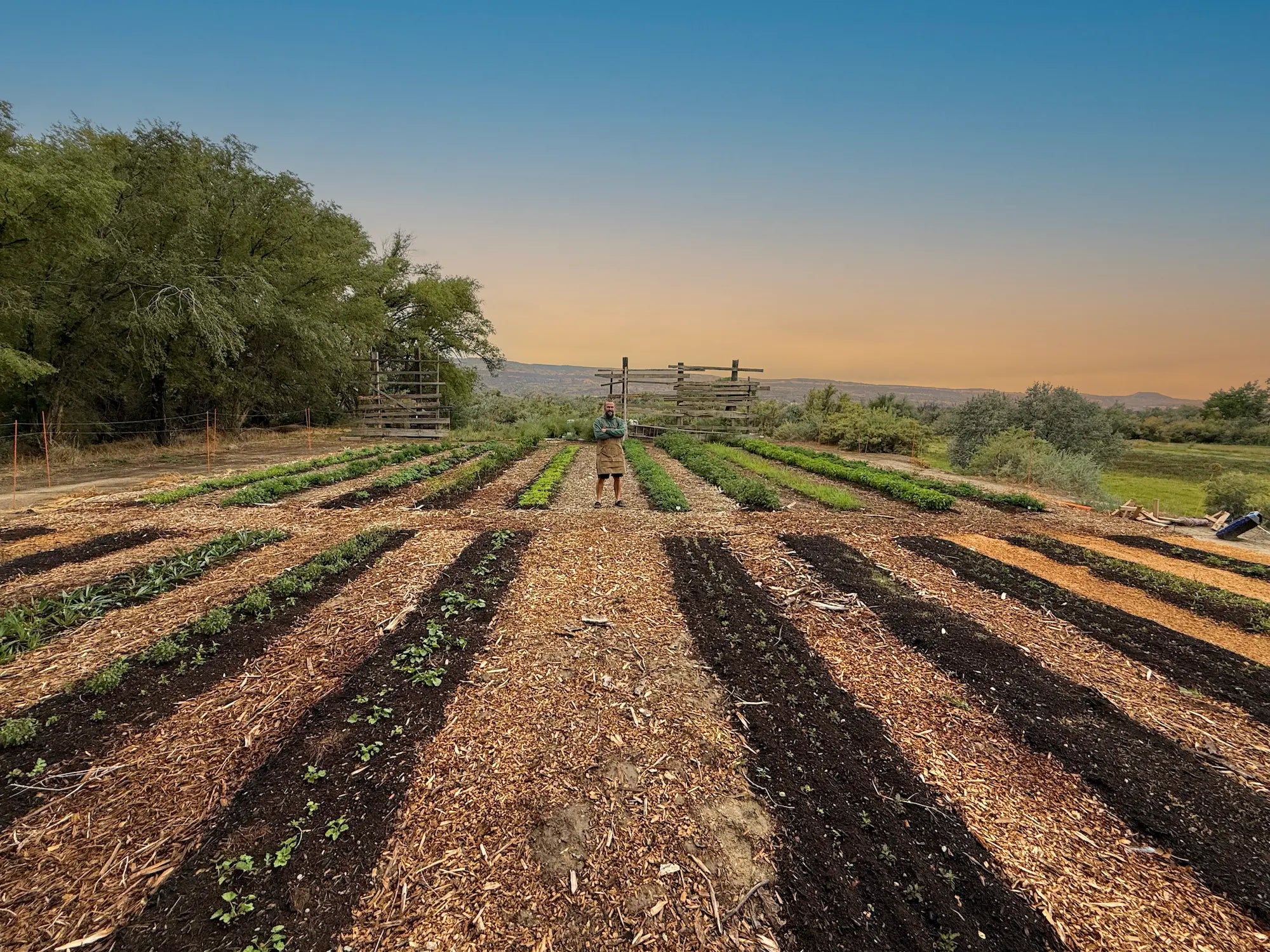
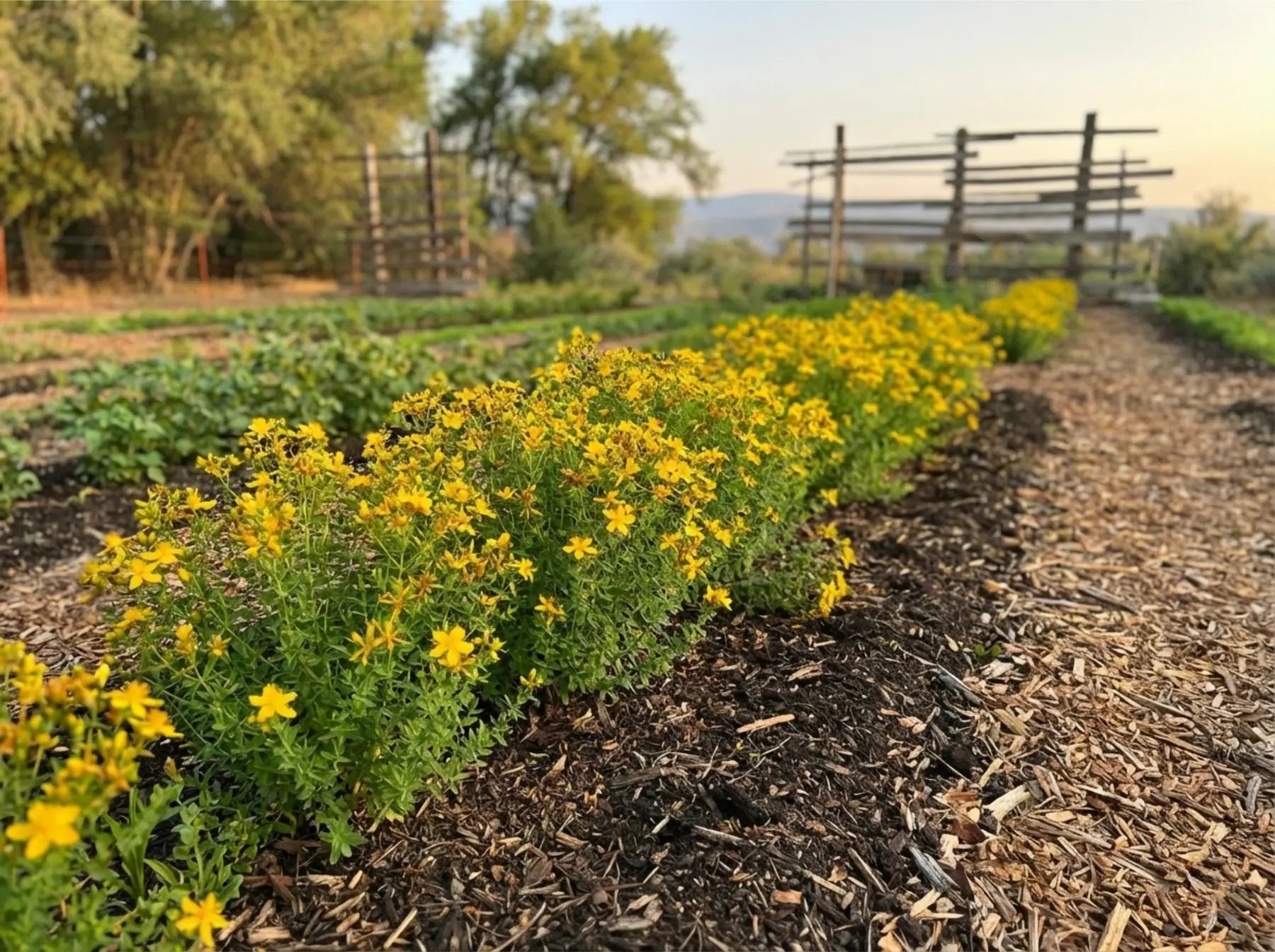
For our own farm, we’ve made a deliberate choice not to pursue organic certification. While many associate the word "organic" with quality, few realize how the system operates. For small, diversified farms like ours, each herb type is treated as its own crop, and certifying even a modest catalog of herbs can demand 30–40 hours per week of administrative paperwork. That’s time siphoned away from actually farming, replaced with endless forms and fees designed to favor industrial-scale operations.
We believe this system was never built for small farmers; it was built to keep us out. What’s more, organic certification would not improve the quality of our herbs, would not improve our soil, and would force us to raise prices significantly. We’d rather invest that time and energy into regenerative practices that genuinely nourish the land, like our use of Korean Natural Farming (KNF), closed-loop composting, and microbe-rich ferments.
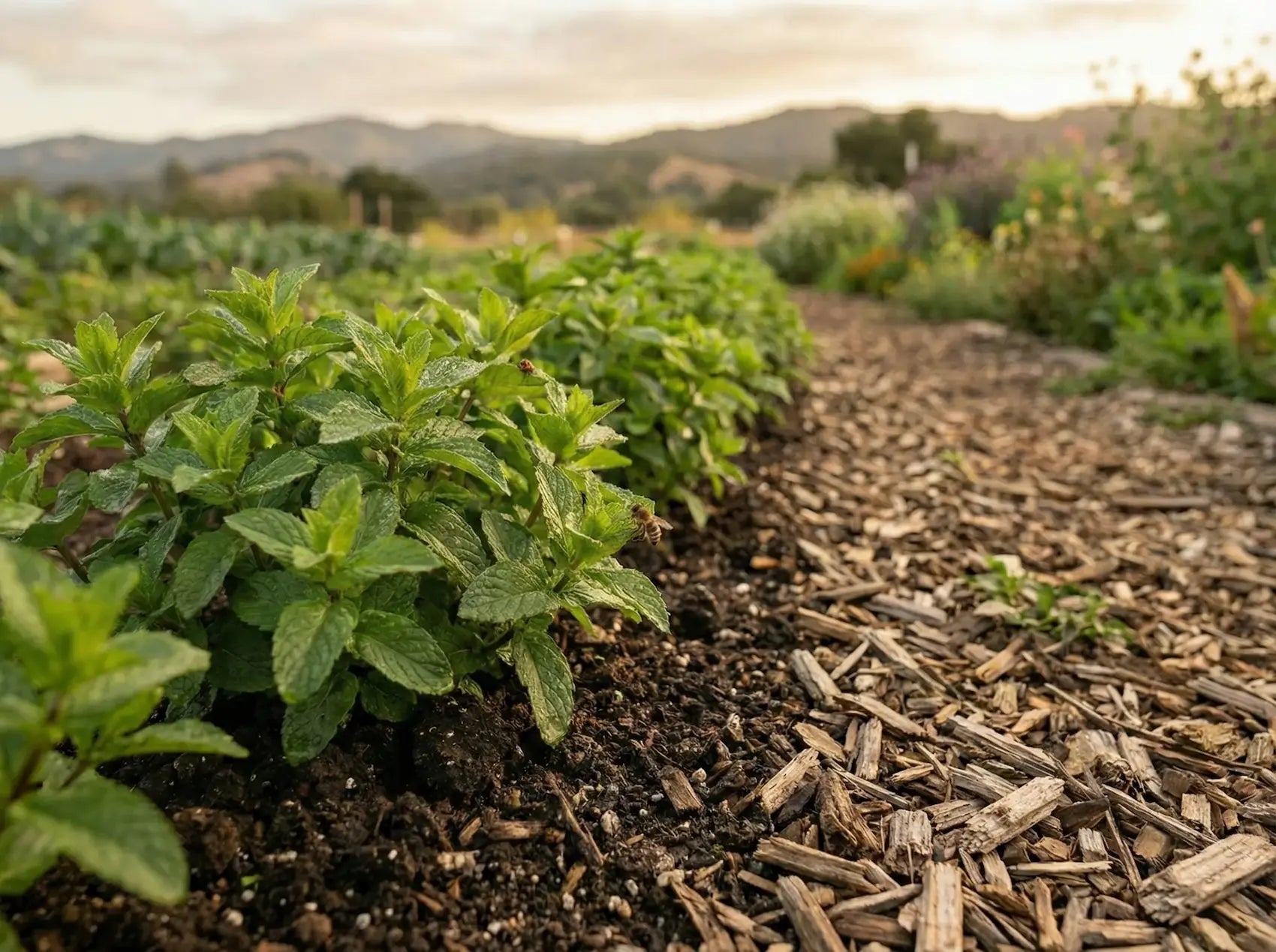
What’s more, organic certification would not improve the quality of our herbs, would not improve our soil, and would force us to raise prices significantly. We’d rather invest that time and energy into regenerative practices that genuinely nourish the land, like our use of Korean Natural Farming (KNF), closed-loop composting, and microbe-rich ferments.
We also want to be honest about what “certified organic” still allows: glyphosate, chlorine, and even petroleum-based inputs are permitted under current organic regulations. These substances do not align with our vision of clean, conscious herbalism. We hold ourselves to a higher standard, one rooted in natural, chemical-free cultivation, deep soil stewardship, and traditional wisdom. Many customers assume that organic equals better. But the truth is, certification doesn’t measure soil health, biodiversity, or herbal potency. It doesn’t require regenerative practices, and it often masks industrial-scale farming with a green label. We’re not interested in that illusion.
在 Sacred Plant Co,我們堅持農業實踐的透明度和完整性,這就是為什麼我們有意識地決定不對我們的草藥尋求有機認證。雖然有機農業通常被認為是理想的選擇,但仍有一些重要的考慮因素需要考慮。
影響我們決定的一個重要因素是與有機認證相關的巨額成本。這個過程需要大量的文書工作、檢查和費用,這對像我們這樣的小型農場來說可能令人望而卻步。我們沒有將資源分配給認證,而是優先投資再生農業實踐,以促進土壤的長期健康並確保草藥的卓越品質。
此外,值得注意的是,有機農場被允許使用某些化學物質,如草甘膦、 石油和氯。雖然這些物質可能被批准用於有機農業,但它們與我們對永續和再生實踐的承諾不符。在Sacred Plant Co,我們堅信在不依賴合成化學物質的情況下種植草藥,努力創造一個透過自然原則蓬勃發展的農業環境。
我們認識到,人們在選擇有機產品時可能認為自己購買的產品與他們實際收到的產品之間可能存在差異。雖然有機認證為農業實踐設定了某些標準,但考慮更廣泛的背景也很重要。
首先,有機認證並不能保證最高水準的土壤健康或最終產品的卓越品質。有機農場在維持最佳土壤肥力和養分平衡方面仍然面臨挑戰,這可能會影響草藥的整體品質和效力。
此外,不同地區和認證機構對有機標準的解釋和執行可能存在差異。這可能導致有機產品的品質和完整性不一致,以及允許在特定情況下使用某些合成物質的潛在漏洞。
我們的重點在於優先考慮再生農業技術和韓國自然農業 (KNF) 方法的使用。透過融入有機質、有益微生物和平衡的養分,我們滋養土壤並增強其自然肥力和復原力。我們專注於恢復和振興土壤生態系統,而不是依賴外部認證。
我們想向您保證,儘管沒有獲得有機認證,但我們種植的草藥都是經過精心培育和對品質的奉獻。我們超越傳統的有機實踐,確保我們的耕作方法可持續、環保,並產出優質草藥。
選擇 Sacred Plant Co,您可以相信我們對再生農業實踐的承諾是我們所做一切的基礎。我們邀請您探索我們精心培育的藥草,每種藥草都體現了我們對永續農業的奉獻和卓越的品質。
與我們一起擁抱新的藥草種植標準,該標準不是植根於昂貴的認證,而是植根於整體實踐,並優先考慮我們的土壤健康和地球的福祉。
地球上最獨特的草藥
古老智慧孕育,精心培育