


Last Updated: June 17, 2026
Blue Lotus Flower: The Sacred Bloom of the Nile, Reawakened
The blue lotus was legendary long before it was forgotten. In the temples and tombs of ancient Egypt, this star-shaped water flower was painted on walls, pressed into wine, and laid across the chests of the honored dead as a promise of renewal. Yet most of the blue lotus sold today is a faint echo of what those ancient texts describe. Mass-harvested, carelessly dried, and stripped of its aromatic character, the commodity version often arrives pale, scentless, and inert.
At Sacred Plant Co, we believe the gap between the legend and the modern product is not poetic exaggeration. It is a soil problem. A flower can only build complex aromatic and alkaloid compounds when the ground or water it grows in is biologically alive. This is the heart of our Soil-to-Potency Thesis, the foundational principle that microbial diversity in living soil directly increases the secondary metabolite production that gives a medicinal plant its character. To recreate the potency described in ancient texts, we cannot rely on sterile commodity inputs. We have to honor the living systems that made these plants legendary in the first place. You can see the science behind our methods on our research page.
This guide is our complete field record on Nymphaea caerulea: where it came from, what is actually inside the flower, how to identify a premium batch, how people have prepared it across three thousand years, and what every responsible person should understand about its safety and legality before they brew their first cup. Our goal is simple. We are restoring the lost intelligence of the plant, and giving you the honest information to use it well.
What You'll Learn
- Why blue lotus is botanically a water lily, not a true lotus, and why that distinction matters
- The two aporphine alkaloids behind its gentle, dreamlike calm
- How ancient Egyptian culture used the flower in ritual, wine, and funerary art
- How to spot a premium, properly dried batch by color, texture, and aroma
- Three traditional ways to prepare blue lotus: tea, infused wine, and ceremonial blends
- Clear safety guidance, contraindications, and who should avoid it
- The real legal status of blue lotus across the United States
- How to request a Certificate of Analysis so you know exactly what you are getting
Key Takeaways
- Blue Lotus (Nymphaea caerulea) is an aquatic flowering water lily in the Nymphaeaceae family, traditionally used for relaxation, dream enhancement, and ceremonial calm.
- The flower's gentle effects are attributed to two aporphine alkaloids, apomorphine and nuciferine, which interact with dopamine and serotonin receptors.12
- A 2016 pharmacology screening mapped nuciferine across more than nine serotonin and dopamine receptor sites, confirming a mixed, modest, non-sedating profile rather than a strong narcotic one.1
- Blue Lotus has been documented in Egyptian ritual and funerary art for more than 3,000 years, including its use as a wine infusion.4
- Blue Lotus is legal to purchase in 49 US states and is restricted only in Louisiana under Act 159 of 2005.3
- The FDA has not approved blue lotus for human consumption, so reputable sellers offer it as a botanical specimen and avoid medical claims.
Blue Lotus By the Numbers
| Common Names | Blue Lotus, Blue Egyptian Water Lily, Sacred Blue Lily of the Nile |
|---|---|
| Latin Name | Nymphaea caerulea (also classified as Nymphaea nouchali var. caerulea) |
| Family | Nymphaeaceae (water lilies) |
| Parts Used | Whole dried flower and petals |
| Primary Active Compounds | Aporphine alkaloids (apomorphine and nuciferine), plus flavonoids including apigenin, quercetin, and kaempferol |
| Native Range | The Nile region of East Africa, extending into parts of South and Southeast Asia |
| Plant Type | Perennial aquatic flowering water lily |
| Traditional Energetics | Cooling, calming, opening; associated with the sun, rebirth, and the dream state |
| Caffeine Status | Caffeine-Free |
| Typical Preparation | 1 to 2 teaspoons (about 3 to 5 grams) of dried flower steeped 10 to 15 minutes |
| Sacred Plant Co COA | Request by Lot # (see Certificate of Analysis section below) |
What Is Blue Lotus Flower?
Blue Lotus is an aquatic flowering plant native to the Nile region, prized for thousands of years as a sacred symbol of rebirth and a gentle botanical aid for relaxation and dream work.
Here is the first thing worth clearing up, because it confuses almost everyone. Blue Lotus (Nymphaea caerulea) is a perennial aquatic plant in the Nymphaeaceae, or water lily, family, traditionally used for relaxation, sleep, and dream enhancement, characterized by aporphine alkaloids and a flower that opens at dawn and closes by midday. Despite its common name, it is not a true lotus. True lotus belongs to a completely different botanical group called Nelumbo. Blue lotus is a water lily, and that ancient mix-up still shows up in product labels and even in old translations of Egyptian texts.4
The flower's daily rhythm is part of why it became sacred. Each bloom rises from the water and opens with the morning sun, then closes and sinks again by afternoon. To the ancient Egyptians, who watched the sun god rise from the primordial waters, this was a living symbol of creation and renewal repeating itself every single day. The flower appears again and again in tomb paintings, on papyrus, and in the burial goods of pharaohs, including the tomb of Tutankhamun.
How to Identify Premium Blue Lotus
Premium blue lotus shows deep violet-to-blue outer petals fading to soft tan, intact whole flowers rather than crumbled dust, and a faint sweet, floral, slightly honeyed aroma.
Color. A well-grown, well-dried flower keeps a noticeable blue-violet tone on the outer petals with a golden-yellow center. Petals that have faded to a uniform brown or gray often signal age, heat damage during drying, or poor harvest timing.
Texture. Look for whole or near-whole dried flowers with petals you can still recognize, not a bag of broken fragments and powder. Gentle, low-temperature drying preserves the delicate structure. Aggressive heat shatters it.
Aroma. Bring the dried flower close and you should catch a soft, sweet, floral scent with a faintly honeyed depth. A flower with no smell at all is a flower with little left to offer. Aroma is one of the most honest signals of how alive the growing system was and how carefully the flower was handled. If you enjoy training your senses this way, the same discipline applies to chamomile flowers, where the apple-sweet aroma is the giveaway of a quality harvest.
The History and Traditional Uses of Blue Lotus
Blue Lotus was one of the most important ceremonial plants of ancient Egypt, used in religious ritual, as a relaxant, as a presumed aphrodisiac, and steeped into wine to draw out its calming compounds.
For the Egyptians, blue lotus was not a casual herb. It was woven into their understanding of life, death, and the divine. Ethnobotanists have documented its presence in funerary practice, temple ritual, and daily celebration across thousands of years.4 Drinkers would steep the petals in wine, a method that helps draw the flower's fat-loving aromatic compounds into the liquid, producing a mild, warming, euphoric calm rather than a heavy intoxication.
Across later traditions, blue lotus earned a reputation as a plant of the threshold: something to ease the body, quiet a busy mind, open the heart, and soften the boundary between waking and dreaming. That dream association is why it sits so naturally beside other botanicals in this family of use. Because blue lotus gently supports the transition into rest, many people pair it with dedicated dream herbs such as Calea zacatechichi, the classic dream herb, for evening practice. For a broader map of this territory, our guide to herbs that enhance vivid dreams places blue lotus in its full context.
The Science: What Is Actually Inside Blue Lotus?
Blue Lotus contains two aporphine alkaloids, apomorphine and nuciferine, which interact with dopamine and serotonin receptors to produce a mild, lucid calm rather than strong sedation.
For most of its history, blue lotus was understood through ritual and experience. Only recently have researchers begun to map its chemistry, and the picture that has emerged is one of gentle, modest activity rather than a powerful drug. The flower's two best-known active compounds are apomorphine and nuciferine, both members of a chemical family called aporphine alkaloids.52
Nuciferine is the more studied of the two. In a detailed 2016 pharmacology screening, researchers found that nuciferine interacts with a wide panel of brain receptors. It behaves as a blocker at several serotonin receptors, a partial helper at certain dopamine receptors, and an influence on the dopamine transporter.1 In plain terms, it nudges the brain's own calming and mood chemistry rather than flooding it. This mixed, balanced action is the likely reason traditional users describe a clear-headed, dreamlike calm instead of the heavy fog of a sedative.
One honest caveat matters here. The alkaloid content of the natural flower is modest, and laboratory analyses of commercial products vary widely in how much active compound they actually contain.5 This is exactly why third-party testing and careful sourcing are not marketing flourishes for us. They are the only way to know what is really in the flower. If you want to understand how to read those lab results yourself, our guide on how to read a Certificate of Analysis walks through it step by step.
How to Prepare Blue Lotus: Tea, Wine, and Ritual
Blue Lotus is most often prepared as a steeped tea, an infused wine, or a component in ceremonial herbal blends, with a gentle tea being the simplest and most controllable starting point.
As a tea. The most approachable method is a simple infusion. Steep 1 to 2 teaspoons (roughly 3 to 5 grams) of dried flower in hot, not boiling, water for 10 to 15 minutes, then strain. The result is a delicate, faintly floral cup. Some people enjoy it on its own, while others blend it with calming partners. Because blue lotus pairs gracefully with other relaxing botanicals, it sits comfortably alongside calming herbal teas for relaxation.
As an infused wine. The traditional Egyptian preparation steeps the petals in wine, because alcohol pulls out aromatic compounds that water leaves behind. This is the historical method, and it produces a noticeably different, warmer experience. It is also the method most associated with stronger effects, so restraint matters.
In ritual and ceremonial blends. Blue lotus is a beloved component in herbal smoking and ceremony blends, valued for its smooth character and its symbolic weight. If this is your interest, please read responsibly. Our overview of premium herbal smoking blends and our honest look at the evidence and risks of smokable herbs both belong on your reading list before you light anything. The deeper cultural context lives in our piece on the rituals behind smokable herbs.
Whatever the method, we encourage approaching blue lotus the way the ancients did: with intention. This is a Sacred plant in the truest sense, a flower that asks you to slow down. Treating a quiet evening cup as a small ritual, rather than just another beverage, is part of how the experience deepens.
Blue Lotus Safety, Contraindications, and Energetics
Blue Lotus is considered mild for most healthy adults, but it has real contraindications, can impair coordination, and should be avoided during pregnancy, before driving, and by anyone on interacting medications.
Medical Contraindications
Blue lotus has gentle psychoactive properties, which means it deserves genuine respect. Keep the following in mind.
- Pregnancy and breastfeeding. Avoid blue lotus entirely. There is not enough safety data, and the flower's hormonal and psychoactive activity make caution essential.
- Driving and machinery. Do not drive or operate equipment after use. Even mild effects can impair coordination and judgment.
- Alcohol and sedatives. Combining blue lotus with alcohol or sedating medications can amplify effects unpredictably. The traditional wine preparation is exactly the combination that produces stronger reactions.
- Mood disorders and medications. Because its alkaloids act on dopamine and serotonin pathways, anyone with a mood disorder, schizophrenia, or who takes psychiatric medication should consult a qualified healthcare provider first.2
- High doses and concentrates. Documented adverse events have involved concentrated extracts, vaping, and infused wine at high amounts, not gentle tea.2 More is not better. Start very low.
- Service members. Blue lotus appears on the US Department of Defense prohibited dietary supplement ingredients list and is not permitted for active-duty service members.
Traditional and Energetic Considerations. In the older traditions, blue lotus is viewed as a cooling, opening, heart-centered plant. It is associated with the dream state and with emotional softening, which is wonderful for evening calm but means some people find it too unfocusing for daytime tasks. Energetically it is a plant of release and surrender, best suited to moments when you can actually let go rather than push through a busy schedule.
Blue Lotus Dosage Guidelines
Because the FDA has not established a recommended dose, the responsible approach is to start with a single light cup of tea, observe your own response, and never assume more flower means a better experience.
There is no official dosage for blue lotus, and that is an honest fact rather than an evasion.3 A common, gentle starting point is a single cup of tea brewed from 1 to 2 teaspoons of dried flower. Give it time, pay attention to how you feel, and let that guide whether you ever adjust. Concentrated extracts and resins are far stronger and far less predictable than whole dried flower, which is one more reason we focus on the traditional, transparent, whole-flower form. For people who prefer a measured, alcohol-free liquid format in general, our overview of calming tinctures explains how standardized liquid preparations work.
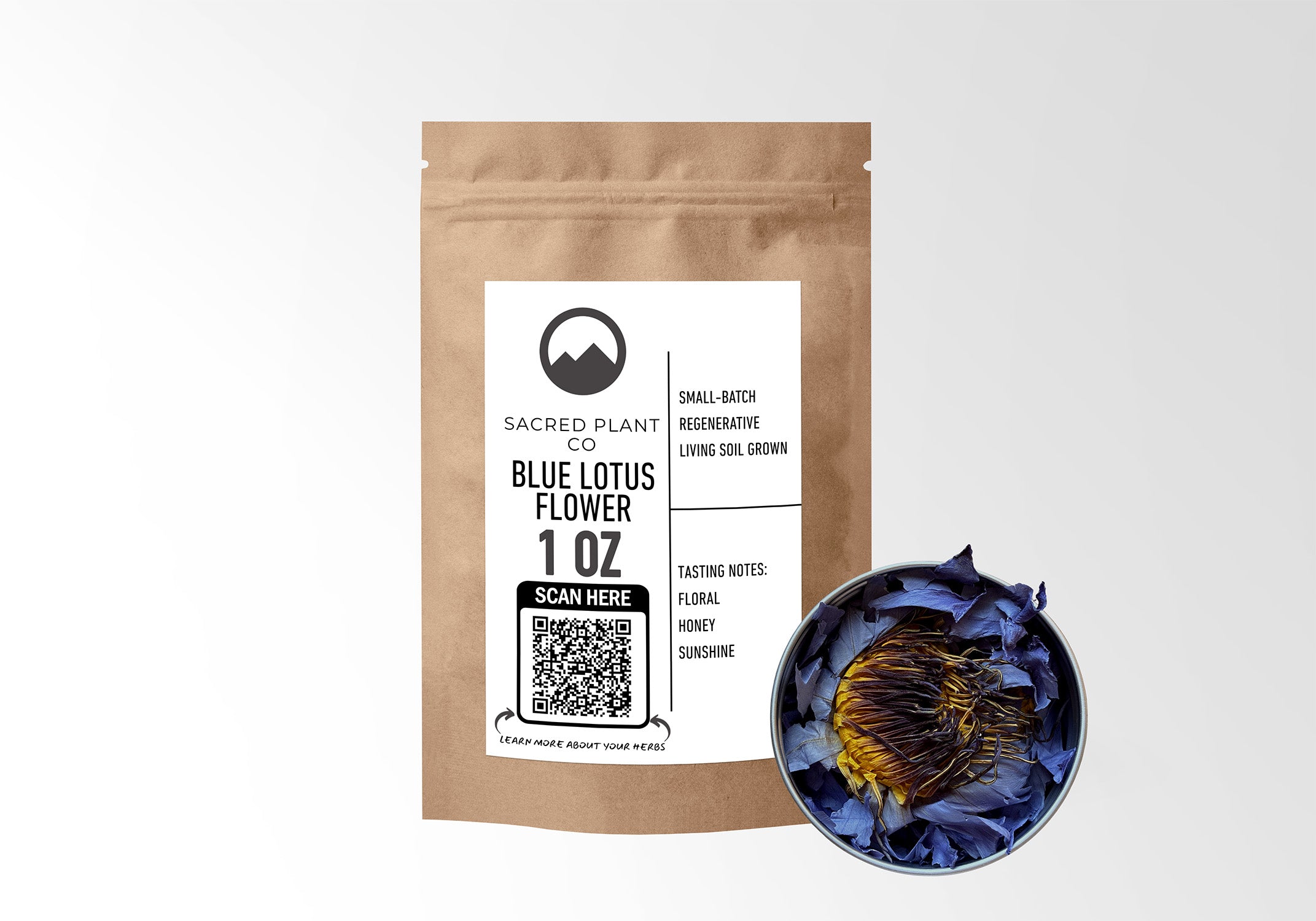
Blue Lotus Flower, Whole Dried
Tasting Notes: soft floral, honey-sweet, with a gentle water-lily freshness
For External Use OnlySingle-origin Nymphaea caerulea, whole dried blooms with petals, crown, and golden stamens intact. Third-party lab-verified for purity, batch by batch.
Shop Blue Lotus FlowerCertificate of Analysis: Know What You Are Drinking
Request a Certificate of Analysis
Because blue lotus product quality varies so dramatically in independent testing, a Certificate of Analysis, or COA, is the single most important document you can ask for. It is the lab report that verifies identity, purity, and the absence of contaminants. We test our batches through third-party labs, and we will share the report for your specific lot on request.
New to lab reports? Our plain-language walkthrough on how to read a Certificate of Analysis shows you exactly what each section means.
Frequently Asked Questions About Blue Lotus
What does blue lotus do?
Blue lotus is traditionally used to promote a gentle, lucid sense of calm and to support relaxation and dream work, with effects attributed to two mild aporphine alkaloids that influence dopamine and serotonin activity. Most people describe a soft, clear-headed ease rather than strong sedation.
Is blue lotus a true lotus?
No, blue lotus is botanically a water lily in the Nymphaeaceae family, not a true lotus, which belongs to the separate genus Nelumbo. The "lotus" name is an ancient mislabeling that persists today, but the two plants are entirely different species with different chemistry.
How do you make blue lotus tea?
To make blue lotus tea, steep 1 to 2 teaspoons of dried flower in hot, not boiling, water for 10 to 15 minutes, then strain and sip slowly. Many people brew it in the evening, alone or blended with other calming flowers, as part of a wind-down ritual.
Is blue lotus legal in the United States?
Blue lotus is legal to buy and possess in 49 US states and is not a federally controlled substance, with Louisiana being the single exception under state Act 159 of 2005. The FDA has not approved it for human consumption, so it is sold as a botanical specimen rather than a food or supplement.3
Does blue lotus help you sleep?
Blue lotus is traditionally used to ease the transition into rest, and its calming reputation makes it a popular evening botanical, though formal clinical sleep research remains limited. Many people combine it with dedicated sleep herbs for a fuller wind-down practice.
What does blue lotus pair well with?
Blue lotus pairs naturally with other relaxing and dream-supportive botanicals, including chamomile for calm, damiana for warmth, and dedicated dream herbs for evening practice. Because it supports gentle release rather than heavy sedation, it blends smoothly into ceremonial and bedtime mixtures. The sultry, relaxing character of damiana is a particularly classic companion.
Is blue lotus the same as the sacred lotus used in tea?
No, blue lotus (Nymphaea caerulea) and the pink sacred lotus (Nelumbo nucifera) are different plants from different botanical families, even though both contain the alkaloid nuciferine. Blue lotus is the Egyptian water lily of Nile ritual, while sacred lotus is the iconic pink bloom of Asian tradition.
Can you drink blue lotus every day?
There is no established safe daily intake for blue lotus because it has not been approved for human consumption, so frequent use is best discussed with a qualified healthcare provider. A cautious, occasional, evening ritual approach is the most responsible way to enjoy it.
Why does blue lotus quality vary so much?
Blue lotus quality varies because growing conditions, harvest timing, and drying methods dramatically affect the flower's aroma and alkaloid content, and laboratory tests of commercial products show wide differences. This is exactly why a Certificate of Analysis and careful sourcing matter so much.5
How should I store dried blue lotus?
Store dried blue lotus in an airtight container away from light, heat, and moisture to preserve its delicate aroma and active compounds. A cool, dark cupboard protects the flower far better than a sunny shelf, where heat and light slowly degrade quality.
Companion Botanicals and Further Reading
Blue lotus belongs to a wider family of calming and dream-supportive plants, and understanding its neighbors helps you use it well. For a different but related path into rest, compare the classic sedative botanicals in our guide to valerian root versus passionflower, two of the most studied herbal sleep aids. If you are drawn to the ceremonial, sacred-plant dimension of blue lotus, the Pacific tradition of kava as a spiritual gateway to inner calm offers a fascinating parallel from another culture.
For the visually curious, blue lotus shares its striking blue pigment story with another beloved botanical. The color-shifting magic of butterfly pea flower makes it a natural visual and ceremonial companion. And for those building a complete evening ritual, the gentle bitterness of hops rounds out a calming blend, while the lucid-dreaming focus of our guide to lucid dreaming tea and our deeper Calea zacatechichi tea recipe show how to put it all into practice. Curious about the full range of smokable ceremonial plants? Our ultimate guide to the best herbs for smoking is the place to start.
Conclusion: An Ancient Flower, Honestly Offered
Blue lotus has carried meaning for longer than almost any plant in the human record. It bloomed on temple walls, floated in the wine of pharaohs, and promised renewal to the dead. To treat it as a throwaway novelty is to miss the point entirely. At Sacred Plant Co, our commitment is to meet this flower with the seriousness it has earned: honest information, careful sourcing through partners who respect living ecosystems, and third-party testing so you always know what is in your cup. The legend was real. With the right flower and the right respect, a small part of it still is. To understand how our regenerative philosophy shapes everything we offer, explore the science behind our soil regeneration and our Haney Score of 25.4.
This information is provided for educational purposes only. It is not intended to diagnose, prevent, or serve as a substitute for professional medical care. Blue lotus is offered as a botanical specimen and has not been approved by the FDA for human consumption. Consult a qualified healthcare provider before use, especially if you are pregnant, nursing, taking medication, or managing a health condition.
References
- Farrell MS, McCorvy JD, Huang XP, et al. In vitro and in vivo characterization of the alkaloid nuciferine. PLoS One. 2016;11(3):e0150602.
- Schimpf M, Ulmer T, Hiller H, Barbuto AF. Toxicity from blue lotus (Nymphaea caerulea) after ingestion or inhalation: a case series. Military Medicine. 2023;188(7-8):e2689-e2692.
- Louisiana State Legislature. RS 40:989.1, Prohibited plant products (Act 159, 2005). Louisiana Revised Statutes.
- Emboden WA. Transcultural use of narcotic water lilies in ancient Egyptian and Maya drug ritual. Journal of Ethnopharmacology. 1981;3(1):39-83.
- Poklis JL, Mulder HA, Halquist MS, et al. The blue lotus flower (Nymphaea caerulea) resin used in a new type of electronic cigarette, the re-buildable dripping atomizer. Journal of Psychoactive Drugs. 2017;49(3):175-181.
- Sacred Plant Co. The Science Behind Sacred Plant Co's Soil Regeneration: Haney Score 25.4 Surpasses Pristine Forest. Nature's Pharmacy, Sacred Plant Co.


