


Last Updated: January 30, 2026
Butterfly Pea Flower For Brain Health
 Vibrant blue hues in our Butterfly Pea Flower indicate a high concentration of defensive anthocyanins, synthesized through the microbial pressure of regenerative soil.
At Sacred Plant Co, our approach to herbalism is rooted in regenerative thinking. While many herb suppliers prioritize volume extraction from soil, we build soil microbiology first. The result is measurable. Living soil produces more potent medicine. Our Korean Natural Farming (KNF) methods at I·M·POSSIBLE Farm have achieved a 400% increase in soil biology in a single season, creating the biodiverse ecosystem that plants need to synthesize their full spectrum of defensive compounds.
This matters for Butterfly Pea Flower (*Clitoria ternatea*) because the vibrant anthocyanins that give this flower its distinctive blue hue are secondary metabolites. These compounds are not created for aesthetics. They are defense mechanisms. Plants growing in living, biodiverse soil face natural challenges from beneficial microbes, fungi, and insects. In response, they produce higher concentrations of flavonoids, terpenoids, and anthocyanins. Conventional cultivation, even when labeled as acceptable by basic standards, often relies on sterile growing media. Plants survive, but without microbial pressure, they have no reason to produce the compounds that make them medicinal.
When you choose Butterfly Pea Flower from Sacred Plant Co, you are choosing flowers grown in soil that surpasses pristine forest benchmarks. This is not marketing language. Our Haney Score testing documents nutrient density that exceeds untouched wilderness. The flowers you steep carry the full ancestral intelligence of this Southeast Asian botanical, enhanced by regenerative cultivation that respects both tradition and modern soil science.
What You'll Learn in This Guide
- How anthocyanins in Butterfly Pea Flower support cognitive function and protect brain cells from oxidative stress
- The scientific mechanisms behind this flower's traditional use for memory enhancement and mental clarity
- How to identify premium quality Butterfly Pea Flower through color intensity, aroma, and structural integrity
- Traditional preparation methods from Ayurvedic and Southeast Asian herbalism that maximize therapeutic benefits
- Evidence-based applications for eye health, skin rejuvenation, and inflammatory response modulation
- Safety considerations including contraindications, potential interactions, and appropriate dosing guidelines
- Creative culinary and ceremonial uses that honor this flower's cultural heritage while exploring modern applications
Botanical Profile and Traditional Heritage
Butterfly Pea Flower (*Clitoria ternatea*) is a perennial vine native to Southeast Asia, belonging to the Fabaceae family. Known as "Aparajita" in Sanskrit (meaning "the unconquerable"), this flower has been revered in Ayurvedic medicine for over 5,000 years as a medhya rasayana (cognitive enhancer). In Traditional Chinese Medicine, it appears as "die dou hua," traditionally used to support memory and mental acuity.
The plant produces distinctive pea-shaped flowers ranging from deep indigo to vibrant blue, occasionally presenting in white or pink variations. These flowers contain unique anthocyanin compounds, particularly ternatins, which create their characteristic color-changing properties when exposed to pH shifts. This same chemistry that creates visual magic in your teacup also provides significant antioxidant activity within the body.1
Indigenous communities throughout Thailand, Malaysia, and Indonesia have used Butterfly Pea Flower not only medicinally but also ceremonially and culinarily. The flowers color traditional rice dishes, create natural dyes, and serve as offerings in spiritual practices. This multifaceted relationship between plant and culture speaks to its significance beyond simple herbalism. It is a botanical deeply woven into the fabric of human wellness traditions.
The Antioxidant Power of Anthocyanins
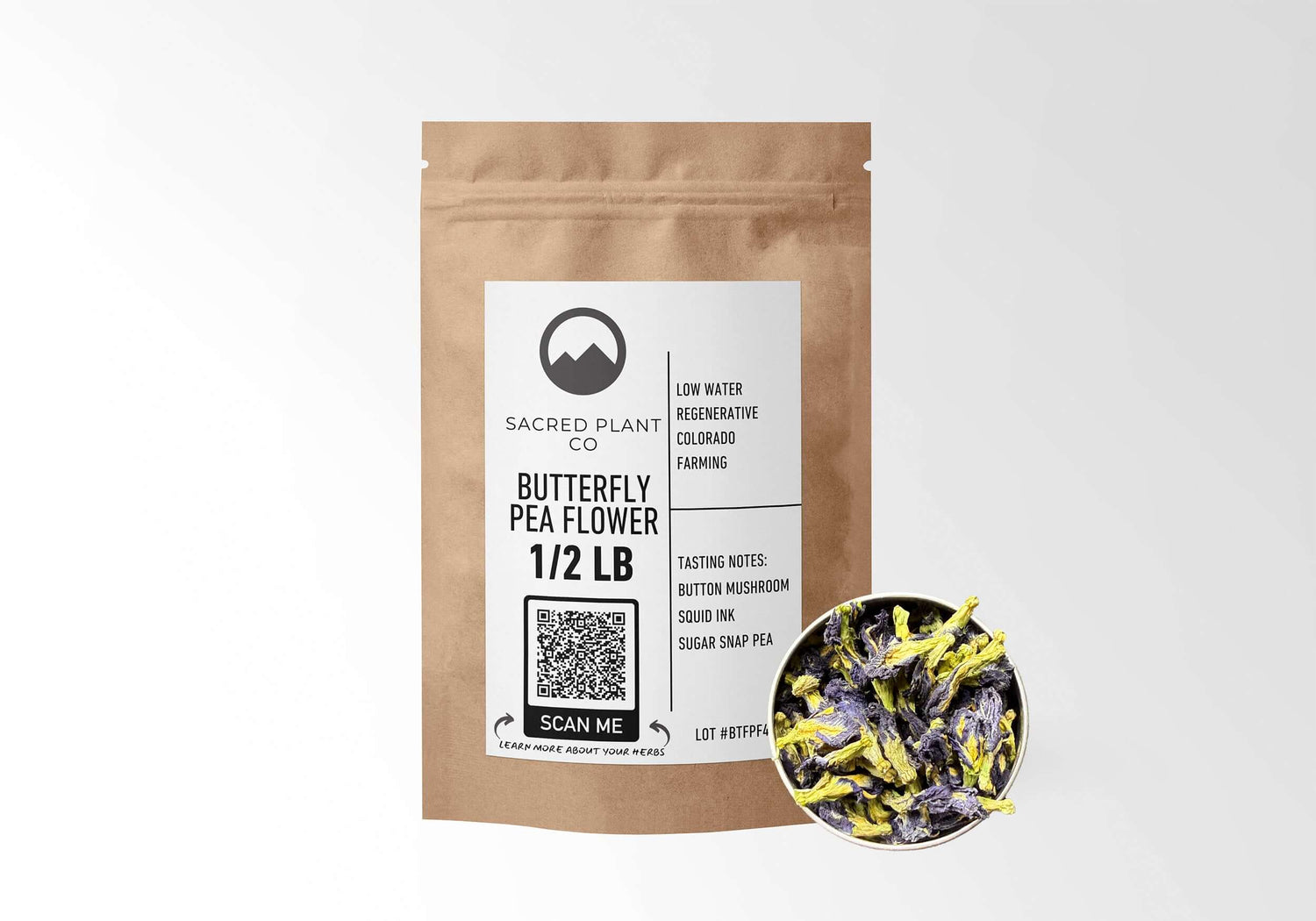
 Proper packaging protects the light-sensitive ternatins, ensuring the neuroprotective antioxidants remain bioavailable from farm to cup.
Butterfly Pea Flower contains exceptionally high levels of anthocyanins, particularly ternatin compounds, which function as potent antioxidants capable of crossing the blood-brain barrier. These water-soluble flavonoids give the flower its blue pigmentation while simultaneously providing neuroprotective benefits. Research demonstrates that anthocyanins neutralize free radicals, reduce oxidative stress markers, and support cellular integrity across multiple body systems.2
The significance of antioxidants extends beyond simple cellular protection. Chronic oxidative stress contributes to accelerated aging, inflammatory conditions, cardiovascular decline, and neurodegenerative processes. Anthocyanins from Butterfly Pea Flower have shown capacity to reduce markers of oxidative damage by up to 70% in laboratory studies.3 This positions the flower as a valuable daily ally for those seeking to support long-term cellular health through dietary means.
What makes Butterfly Pea Flower particularly valuable is the bioavailability of its anthocyanin profile. Unlike some plant compounds that require specific co-factors or enzymatic processes for absorption, ternatin anthocyanins demonstrate good absorption rates when consumed as tea or tincture. This accessibility, combined with the flower's mild, pleasant flavor profile, makes it an easy addition to daily wellness routines without the bitterness or digestive challenge of some high-antioxidant botanicals.
Cognitive Enhancement and Brain Health
Traditional Ayurvedic classification of Butterfly Pea Flower as a medhya rasayana (cognitive enhancer) has been substantiated by modern research demonstrating improvements in memory acquisition, retention, and recall. Studies indicate that regular consumption may enhance acetylcholine activity in the hippocampus, the brain region responsible for memory formation and spatial learning.4
The mechanisms behind these cognitive benefits are multifaceted. Brain-boosting herbs like Butterfly Pea Flower work through several pathways. First, anthocyanins reduce neuroinflammation, creating an optimal environment for neurotransmitter synthesis. Second, these compounds protect neurons from oxidative damage, which is particularly important during periods of cognitive stress or aging. Third, preliminary research suggests enhanced blood flow to cerebral regions, improving oxygen and nutrient delivery to brain tissues.5
For students, professionals, and aging adults seeking natural cognitive support, Butterfly Pea Flower offers a gentle yet effective option. Unlike stimulant-based nootropics that can create dependency or energy crashes, this flower works through nourishment and protection rather than forced stimulation. Many users report improved mental clarity, reduced brain fog, and enhanced ability to maintain focus during complex tasks. These effects typically develop with consistent use over several weeks, reflecting the herb's tonic rather than acute action profile.
How to Identify Premium Butterfly Pea Flower
The sensory markers of high-quality Butterfly Pea Flower are distinct and immediately apparent to those who know what to observe. Color intensity is your first indicator. Premium flowers display a deep, vibrant indigo to electric blue hue, not pale blue or grayish tones. This color saturation directly reflects anthocyanin concentration. Flowers that have been improperly dried or stored too long fade to dusty purple or gray, indicating compound degradation.
Texture reveals processing quality. Fresh, properly dried flowers maintain structural integrity. Individual petals should be intact, not crumbled to powder. When gently pinched, quality flowers have slight spring and flexibility rather than brittle fragility. This indicates moisture content was controlled during drying, preserving volatile compounds while preventing mold growth.
Aroma is subtle but telling. High-quality Butterfly Pea Flower carries a gentle, slightly sweet floral scent, sometimes described as pea-like or green. There should be no musty, moldy, or hay-like odors, which indicate improper storage or age. The scent becomes more pronounced when the flowers are steeped, releasing their aromatic compounds into steam.
When brewed, premium Butterfly Pea Flower creates a brilliant blue infusion that is clear rather than cloudy. The color should be consistent throughout the liquid, not patchy or dull. Adding lemon juice should produce an immediate and dramatic shift to purple or pink, demonstrating the active pH-sensitive anthocyanins are intact. This color-change property is not merely decorative. It is a functional indicator of compound preservation and potency.
Eye Health and Visual Support
Butterfly Pea Flower has been traditionally used throughout Southeast Asia for supporting eye health and enhancing visual clarity, particularly in low-light conditions. This application is supported by the flower's high concentration of proanthocyanidins, flavonoids specifically beneficial for ocular tissues. These compounds strengthen capillaries surrounding the eyes, improve blood flow to retinal tissues, and protect photoreceptor cells from oxidative damage.6
The connection between anthocyanins and vision support has been well-documented in research on related botanicals. Similar to how bilberry supports night vision, Butterfly Pea Flower's anthocyanins appear to enhance rhodopsin regeneration in the retina. Rhodopsin is the visual purple pigment essential for low-light vision, and its constant breakdown and regeneration determine our ability to see in darkness.
For individuals experiencing digital eye strain, Butterfly Pea Flower may offer supportive benefits. The anti-inflammatory properties of its flavonoid compounds help reduce ocular inflammation caused by prolonged screen exposure. Additionally, the antioxidant activity protects delicate eye tissues from blue light oxidative stress, a growing concern in our screen-saturated culture.
Anti-Inflammatory Properties and Skin Health
The anti-inflammatory mechanisms of Butterfly Pea Flower extend beyond internal use to topical applications for skin health and appearance. Anthocyanins inhibit inflammatory pathways by modulating cytokine production and reducing histamine release. This makes the flower valuable both as an internal anti-inflammatory agent and as a topical treatment for skin conditions characterized by inflammation, redness, or irritation.
Traditional Ayurvedic and Thai medicine systems have long incorporated Butterfly Pea Flower into skin care formulations. Modern research confirms what traditional practitioners observed: the flower's flavonoids stimulate collagen production, improve skin elasticity, and reduce visible signs of photoaging.7 The antioxidant protection extends to preventing UV-induced damage, though this should complement rather than replace appropriate sun protection measures.
Hair health applications have also been documented. In traditional practice, Butterfly Pea Flower infusions were used as rinses to promote hair growth, reduce premature graying, and enhance natural color depth. While scientific research on these specific claims remains limited, the flower's ability to improve circulation and provide antioxidant protection to follicles suggests plausible mechanisms for these traditional uses.
Stress Modulation and Nervous System Support
Butterfly Pea Flower demonstrates anxiolytic (anti-anxiety) properties through multiple pathways, including GABA receptor modulation and cortisol regulation. While not classified as a sedative herb, it provides gentle nervous system support that many users describe as calming without causing drowsiness. This makes it suitable for daytime use when mental clarity must be maintained alongside stress reduction.8
The flower's stress-modulating effects complement its cognitive benefits. Herbs for anxiety relief like Butterfly Pea Flower work by supporting the body's natural stress response systems rather than forcing sedation. This allows for maintenance of mental acuity while reducing the physiological burden of chronic stress.
Combining Butterfly Pea Flower with other calming herbs creates synergistic effects. Pairing it with chamomile enhances digestive and nervous system relaxation. Adding lavender deepens the calming aromatic experience. Blending with passionflower amplifies GABA activity for those needing stronger anxiety support. These combinations allow for customization based on individual needs and responses.
Preparation Methods and Traditional Practices
 Avoiding boiling water is crucial; steeping at 180-195°F preserves the delicate flavonoid structures responsible for the tea's cognitive benefits.
The standard preparation of Butterfly Pea Flower tea involves steeping 1-2 teaspoons of dried flowers in 8 ounces of hot (not boiling) water for 5-10 minutes. Water temperature matters significantly. Boiling water can degrade delicate anthocyanins, reducing both color intensity and therapeutic potency. Ideal brewing temperature ranges from 180-195°F (82-90°C), hot enough to extract compounds but gentle enough to preserve them.
Traditional Hot Infusion
- Heat filtered water to just below boiling (steam rising, small bubbles forming)
- Add 1-2 teaspoons of dried Butterfly Pea Flowers to a teapot or infuser
- Pour water over flowers and cover immediately to trap volatile compounds
- Steep for 5-10 minutes depending on desired color intensity and strength
- Strain and enjoy the brilliant blue infusion
- Add lemon, lime, or other acidic ingredient to create pH color shift if desired
Cold Infusion Method
Cold brewing Butterfly Pea Flower creates a different flavor profile and may preserve certain heat-sensitive compounds. Place 2 tablespoons of flowers in a quart jar, fill with cold filtered water, cover, and refrigerate for 8-12 hours. The resulting infusion will be lighter in color but equally therapeutic. This method is particularly popular in Southeast Asian countries where cooling beverages are valued.
Tincture Preparation
For concentrated extraction, tinctures offer convenient dosing and longer shelf life. Combine dried flowers with 80-100 proof alcohol in a 1:5 ratio by weight. Store in a dark glass container, shaking daily for 4-6 weeks. Strain thoroughly and bottle in amber glass dropper bottles. Standard dosing is 30-60 drops (1-2ml) up to three times daily.
Ritual and Intention
Traditional practices often incorporated intentional preparation. Taking a moment of gratitude before brewing, setting an intention for mental clarity or peace, and mindfully observing the color transformation honors the plant's spirit. This is not mere ceremony. Mindful preparation creates a ritual pause that itself reduces stress and enhances presence, complementing the herb's physiological effects.
Culinary Applications and pH Color Magic
Butterfly Pea Flower's pH-sensitive anthocyanins create natural color-changing properties that have culinary, educational, and celebratory applications. In neutral to alkaline environments, the flower creates vivid blue hues. Adding acid (lemon, lime, vinegar) shifts the color to purple, magenta, or pink depending on pH level. This property makes the flower a natural indicator dye and a spectacular addition to beverages, desserts, and artistic culinary presentations.
Beverage Applications
The flower creates stunning cocktails and mocktails. A classic Southeast Asian preparation involves brewing the tea, chilling it, and serving over ice with a squeeze of lime, creating a gradient color shift in the glass. Modern mixologists incorporate Butterfly Pea Flower into gin and tonics (the tonic's acidity creates purple tones), lemonades that shift from blue to pink, and layered drinks that showcase color transitions.
Baking and Desserts
Incorporating Butterfly Pea Flower powder or concentrated tea into baked goods creates naturally blue desserts without artificial dyes. The color shifts during baking depending on other ingredient pH levels. Alkaline ingredients like baking soda deepen the blue, while acidic ingredients like lemon or buttermilk shift toward purple. This makes recipe testing an adventure in chemistry and aesthetics.
Traditional Foods
In Thai and Malaysian cuisine, Butterfly Pea Flower colors sticky rice for traditional desserts like "khao niao ma muang" (mango sticky rice). The blue rice creates visual contrast against bright mango and coconut cream. In Peranakan cuisine, it colors "kuih" (traditional cakes) and creates the distinctive blue of "nasi kerabu," a northeastern Malaysian rice dish.
Safety Considerations and Contraindications
Butterfly Pea Flower is generally recognized as safe for most individuals when consumed in traditional food and beverage amounts. However, certain populations should exercise caution or avoid use. Understanding these contraindications ensures safe, appropriate application.
Pregnancy and Lactation
Butterfly Pea Flower should be avoided during pregnancy. Traditional systems specifically cautioned against its use during gestation due to potential uterine stimulant effects. While modern research is limited, the precautionary principle applies. There is insufficient safety data for use during breastfeeding, so avoidance during lactation is also recommended.
Medication Interactions
The flower may potentiate anticoagulant and antiplatelet medications due to its mild blood-thinning properties. Individuals taking warfarin, aspirin, clopidogrel, or similar medications should consult healthcare providers before regular use. Additionally, the herb's potential effects on blood sugar regulation warrant caution for those on diabetes medications. Monitor glucose levels closely if combining therapies.
Surgical Considerations
Due to potential anticoagulant effects, discontinue Butterfly Pea Flower at least two weeks before scheduled surgery. This allows time for any blood-thinning effects to fully clear, reducing surgical bleeding risk.
Allergic Reactions
Individuals with allergies to legumes (peas, beans, peanuts) should approach Butterfly Pea Flower with caution, as it belongs to the Fabaceae family. Allergic reactions are rare but possible. Begin with small amounts and observe for any adverse reactions such as itching, swelling, or respiratory changes.
Energetic Considerations
In Ayurvedic terms, Butterfly Pea Flower is cooling and drying. Those with strong vata constitutions (characterized by dryness, coldness, irregularity) may find excessive use increases these qualities. Balancing with warming, moistening herbs or consuming with warm, nourishing foods can mitigate these effects.
Dosage Guidelines and Therapeutic Application
For general wellness and antioxidant support, consuming 1-2 cups of Butterfly Pea Flower tea daily provides appropriate therapeutic dosing. This translates to approximately 2-4 teaspoons of dried flowers over the course of a day. For concentrated tincture forms, 30-60 drops (1-2ml) taken one to three times daily is standard.
Cognitive Support Protocol
For individuals using Butterfly Pea Flower specifically for cognitive enhancement, consistency matters more than high doses. Daily consumption of 2 cups of tea (morning and afternoon) over a minimum of 4-6 weeks allows time for nootropic effects to develop. Combining with complementary cognitive herbs like ginkgo biloba may enhance effects through synergistic mechanisms.
Eye Health Application
Traditional eye health protocols involve consuming 1-2 cups daily while also using cooled, strained tea as an eye wash or compress. For the compress method, steep flowers in hot water, allow to cool completely, strain thoroughly, and apply to closed eyelids using clean cotton pads. This provides both internal and topical antioxidant support.
Stress Management Use
For nervous system support, consuming Butterfly Pea Flower tea in the late afternoon or early evening can help transition from work stress to relaxation without interfering with sleep. Unlike sedative herbs, it does not force drowsiness but rather supports natural unwinding processes.
Our Commitment to Transparency and Testing
Every batch of Sacred Plant Co's Butterfly Pea Flower undergoes rigorous third-party laboratory testing for microbial contaminants, heavy metals, and identity and foreign matter. We believe transparency builds trust, and trust builds wellness relationships that last.
Request COA by Lot #To better understand what our lab reports reveal about quality and safety, explore our comprehensive guide: How to Read a Certificate of Analysis. We publish the signed Certificate of Analysis for every lot we test on our lab testing page.
Storage and Preservation
Proper storage is essential for maintaining Butterfly Pea Flower's color intensity and therapeutic potency over time. Anthocyanins are sensitive to light, heat, and moisture. Store dried flowers in airtight glass containers away from direct sunlight. A cool, dark pantry or cupboard provides ideal conditions. Properly stored, high-quality Butterfly Pea Flower maintains potency for 12-18 months.
Watch for signs of degradation. Fading from vibrant blue to gray or brown indicates anthocyanin breakdown. The development of musty odors suggests moisture intrusion and potential mold growth. If either occurs, replace your supply. For detailed preservation guidance across multiple herb types, review our comprehensive resource on how to buy, store, and use herbs in bulk.
Continue Your Herbal Journey
- Herbal Brain Boosters: Natural Solutions for Improved Memory and Focus - Explore complementary nootropic herbs that pair synergistically with Butterfly Pea Flower for comprehensive cognitive support.
- Herbs for Anxiety: Natural Solutions from Sacred Plant Co - Discover how Butterfly Pea Flower's gentle anxiolytic properties complement other nervines for holistic stress management.
- Herbs for Eye Health: Natural Solutions for Vision Support - Learn about additional botanicals that work alongside Butterfly Pea Flower to protect ocular health in our digital age.
Frequently Asked Questions
Conclusion: Ancient Wisdom Meets Modern Validation
Butterfly Pea Flower represents the beautiful convergence of traditional wisdom and contemporary scientific validation. What Southeast Asian and Ayurvedic practitioners have known for millennia is now being confirmed through modern research on anthocyanins, cognitive function, and antioxidant mechanisms. Yet the plant's true value extends beyond isolated compounds and mechanism studies.
This flower reminds us that medicine can be beautiful, that healing can be joyful, and that supporting our health does not require harsh interventions or bitter pills. The simple act of brewing vibrant blue tea, watching color transform with a squeeze of lemon, and savoring the gentle floral notes creates a moment of pause in our rushed modern lives. This intentional relationship with plant medicine is itself therapeutic.
At Sacred Plant Co, we are honored to bring you Butterfly Pea Flower grown in soil that honors both the plant's ancestral heritage and the future of agriculture. Every flower carries the intelligence of regenerative cultivation, the potency of living soil, and the promise of gentle, sustainable wellness. May your cup be vibrant, your mind clear, and your relationship with this ancient botanical both healing and delightful.
Scientific References
- Nair V, Bang WY, Schreckinger E, Andarwulan N, Cisneros-Zevallos L. Protective role of ternatin anthocyanins and quercetin glycosides from butterfly pea (Clitoria ternatea Leguminosae) blue flower petals against lipopolysaccharide (LPS)-induced inflammation in macrophage cells. J Agric Food Chem. 2015;63(28):6355-65.
- Chusak C, Thilavech T, Henry CJ, Adisakwattana S. Acute effect of Clitoria ternatea flower beverage on glycemic response and antioxidant capacity in healthy subjects: a randomized crossover trial. BMC Complement Altern Med. 2018;18(1):6.
- Kelemu S, Cardona C, Segura G. Antimicrobial and insecticidal protein isolated from seeds of Clitoria ternatea, a tropical forage legume. Plant Physiol Biochem. 2004;42(11):867-73.
- Taur DJ, Patil RY. Mast cell stabilizing and antiallergic activity of Clitoria ternatea Linn. roots. Indian J Pharm Educ Res. 2011;45(3):264-7.
- Jain NN, Ohal CC, Shroff SK, Bhutada RH, Somani RS, Kasture VS, Kasture SB. Clitoria ternatea and the CNS. Pharmacol Biochem Behav. 2003;75(3):529-36.
- Kamilla L, Mnsor SM, Ramanathan S, Sasidharan S. Antimicrobial activity of Clitoria ternatea (L.) extracts. Pharmacologyonline. 2009;1:731-8.
- Kazuma K, Noda N, Suzuki M. Malonylated flavonol glycosides from the petals of Clitoria ternatea. Phytochemistry. 2003;62(2):229-37.
- Kongkiatpaiboon S, Gritsanapan W, Julsrigival S, Julsrigival J. Antioxidant and anti-inflammatory activities of Thai medicinal plants in Saraburi province. Med Princ Pract. 2010;19(5):401-6.


