


How Regenerative Farming Impacts Adaptogens and Stimulants
Why We Keep Reaching for Stimulants, And Why They Keep Letting Us Down

It's 2 p.m., and your energy is crashing. You reach for coffee, your third cup today. The bitter warmth floods your system, and for twenty minutes, you feel sharp again. Then the jitters arrive. Then the crash. By 4 p.m., you're exhausted, wired, and somehow both anxious and foggy at once.
This is the stimulant trap millions of us live in. At Sacred Plant Co, we grow adaptogens regeneratively on Colorado soil, and we've watched the conversation shift from "what gives me energy now" to "what helps me sustain energy without breaking down my body." That shift matters.
Stimulants like caffeine work through a mechanism that feels like borrowing energy from tomorrow. Caffeine blocks adenosine receptors in your brain, adenosine being the compound that signals tiredness and promotes sleep. When caffeine occupies those receptors, your brain can't receive the "slow down" signal, so you feel alert.1 Simultaneously, caffeine triggers the release of catecholamines (dopamine, norepinephrine, adrenaline), activating your sympathetic nervous system — your fight-or-flight response.2
The problem is this system wasn't designed for daily, chronic activation. Your adrenal glands release cortisol and adrenaline, your heart rate increases, blood pressure rises, and your body mobilizes energy stores. This feels productive in the moment. But when the adenosine blockade wears off (caffeine has a half-life of 3-7 hours), all that accumulated adenosine floods back to its receptors at once, causing the notorious caffeine crash.3 You're not just tired, you're more exhausted than you would have been without the stimulant, because your body has been running on stress hormones instead of genuine vitality.
Chronic stimulant use leads to tolerance, dependence, disrupted sleep architecture, elevated baseline cortisol, and eventual burnout. We're not anti-caffeine at Sacred Plant Co — we're pro-awareness. Stimulants have a place. But they're not a sustainable foundation for human energy.
What a True Adaptogen Is (and Why Most Herbs Don't Qualify)
The term "adaptogen" isn't wellness marketing, it's a precise scientific classification established by Soviet researcher Dr. Nikolai Lazarev in 1947 and refined by Dr. Israel Brekhman in 1969. To be classified as a true adaptogen, an herb must meet three strict criteria:4
- Non-specific action: It must increase resistance to a wide range of stressors (physical, chemical, biological) rather than targeting one system
- Normalizing influence: It must restore homeostasis by balancing what's too high or too low, not by forcing a single direction
- Non-toxic at normal doses: It must be safe for long-term use without causing harm or dependency
This is a high bar. Many herbs marketed as "adaptogens" fail these criteria. Turmeric is anti-inflammatory. Chamomile is calming. Both are valuable, but neither modulates the stress response system bidirectionally across multiple stressor types. True adaptogens do.
Only about 15 botanicals have sufficient clinical and historical evidence to qualify: Rhodiola rosea, Ashwagandha (Withania somnifera), Schisandra chinensis, Eleuthero (Siberian ginseng), Panax ginseng, Holy basil (Tulsi), Cordyceps, Reishi, and a few others. Each works through distinct mechanisms — Rhodiola enhances mitochondrial ATP production, Ashwagandha modulates cortisol and GABA receptors, Schisandra protects liver detoxification pathways — but all share one trait: they help your body respond to stress more intelligently, without overstimulation or sedation.5
Want to dive deeper into the science? Our comprehensive guide Adaptogenic Herbs Demystified explores the cellular mechanisms, safety protocols, and daily dosing strategies for each true adaptogen.

The key target system is the HPA axis, the hypothalamic-pituitary-adrenal axis, your body's central stress command center. When you encounter a stressor, your hypothalamus releases CRH (corticotropin-releasing hormone), signaling your pituitary to release ACTH (adrenocorticotropic hormone), which tells your adrenal glands to produce cortisol. This system is brilliant for acute threats. But chronic activation leads to HPA axis dysregulation: elevated baseline cortisol, impaired cortisol rhythms, adrenal fatigue, immune suppression, cognitive decline, and metabolic dysfunction.6
Adaptogens intervene here. They don't block the stress response — they modulate it, preventing overreaction while supporting appropriate activation. If cortisol is chronically high, adaptogens help bring it down. If you're depleted and cortisol response is blunted, adaptogens help restore sensitivity. This bidirectional, intelligent regulation is what separates adaptogens from every other category of botanical medicine.
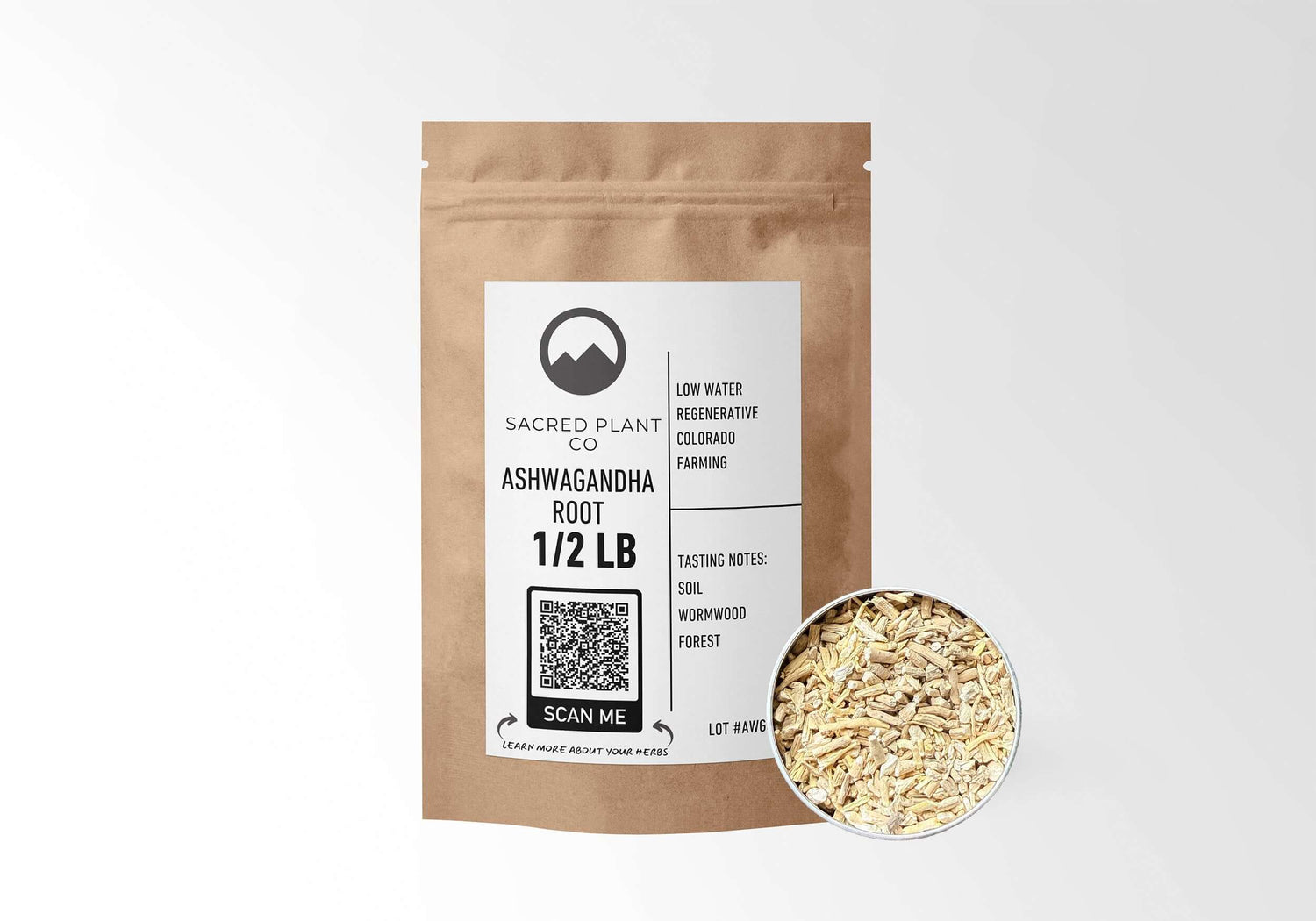
Premium Ashwagandha Root
Starting at $13.99
The gold standard for HPA axis support. Our regeneratively grown ashwagandha is cultivated in living Colorado soil rich with beneficial microbes, producing higher concentrations of stress-modulating withanolides. Lab-tested for potency and purity.
Shop AshwagandhaAdaptogens vs. Stimulants — A Neurobiological Showdown
Let's map the fundamental differences:
| Mechanism | Stimulants (Caffeine) | Adaptogens |
|---|---|---|
| Primary target | Central nervous system (adenosine blockade) | HPA axis (stress response modulation) |
| Onset of effect | Rapid (5-15 minutes) | Gradual (days to weeks for full effect) |
| Energy curve | Sharp spike followed by crash | Steady baseline elevation, no crash |
| Impact on sleep | Disrupts sleep architecture, delays onset | Supports healthy sleep when taken appropriately |
| Nervous system tone | Sympathetic activation (fight-or-flight) | Parasympathetic support (rest-and-digest) |
| Tolerance development | Yes — requires increasing doses | No — often more effective over time |
| Long-term metabolic cost | Elevated cortisol, adrenal strain | Restored HPA axis function, adrenal support |
| Withdrawal effects | Headaches, fatigue, irritability | None |
How Stimulants Force Alertness
Stimulants work through override. Caffeine inhibits phosphodiesterase, increasing cyclic AMP concentrations and driving cellular activity beyond your body's natural rhythm.7 It stimulates glutamate and acetylcholine biosynthesis, enhancing neurotransmitter activity.8 This creates the subjective experience of energy, focus, and mental clarity. But it's not true vitality — it's forced mobilization of reserves.
Research shows caffeine consumption raises cortisol by 30% within one hour, even in habitual users.9 Chronic elevation of stress hormones accelerates cellular aging, impairs immune function, disrupts glucose metabolism, and contributes to anxiety disorders. The "energy" from stimulants comes at a physiological cost that accumulates invisibly until burnout arrives.
How Adaptogens Build Stress Resilience Instead

Adaptogens work through intelligent modulation rather than override. While caffeine increases cyclic AMP, adaptogens have been observed to reduce cyclic AMP concentrations via down-regulation of adenylate cyclase and up-regulation of phosphodiesterase — essentially creating the opposite cellular environment.10 Where caffeine stimulates glutamate (which can lead to excitotoxicity), adaptogens are associated with reducing glutamate-induced neurotoxicity and protecting neural structures.11
A 2020 randomized controlled trial compared caffeine alone versus caffeine combined with adaptogenic herbs. The adaptogen-caffeine combination showed sustained improvements in mental performance without the typical caffeine crash, suggesting adaptogens modulate and smooth the stimulatory effects rather than simply adding to them.12 Participants reported improved feelings of vigor that lasted throughout the testing period, whereas caffeine alone produced early spikes followed by declining performance.
Adaptogens enhance neurotransmitter status (dopamine, serotonin, norepinephrine) through different pathways than stimulants, supporting production and receptor sensitivity rather than forcing release.13 They protect mitochondria — your cellular energy factories — from oxidative stress, improve ATP production efficiency, and support the body's innate capacity to generate sustainable energy.14
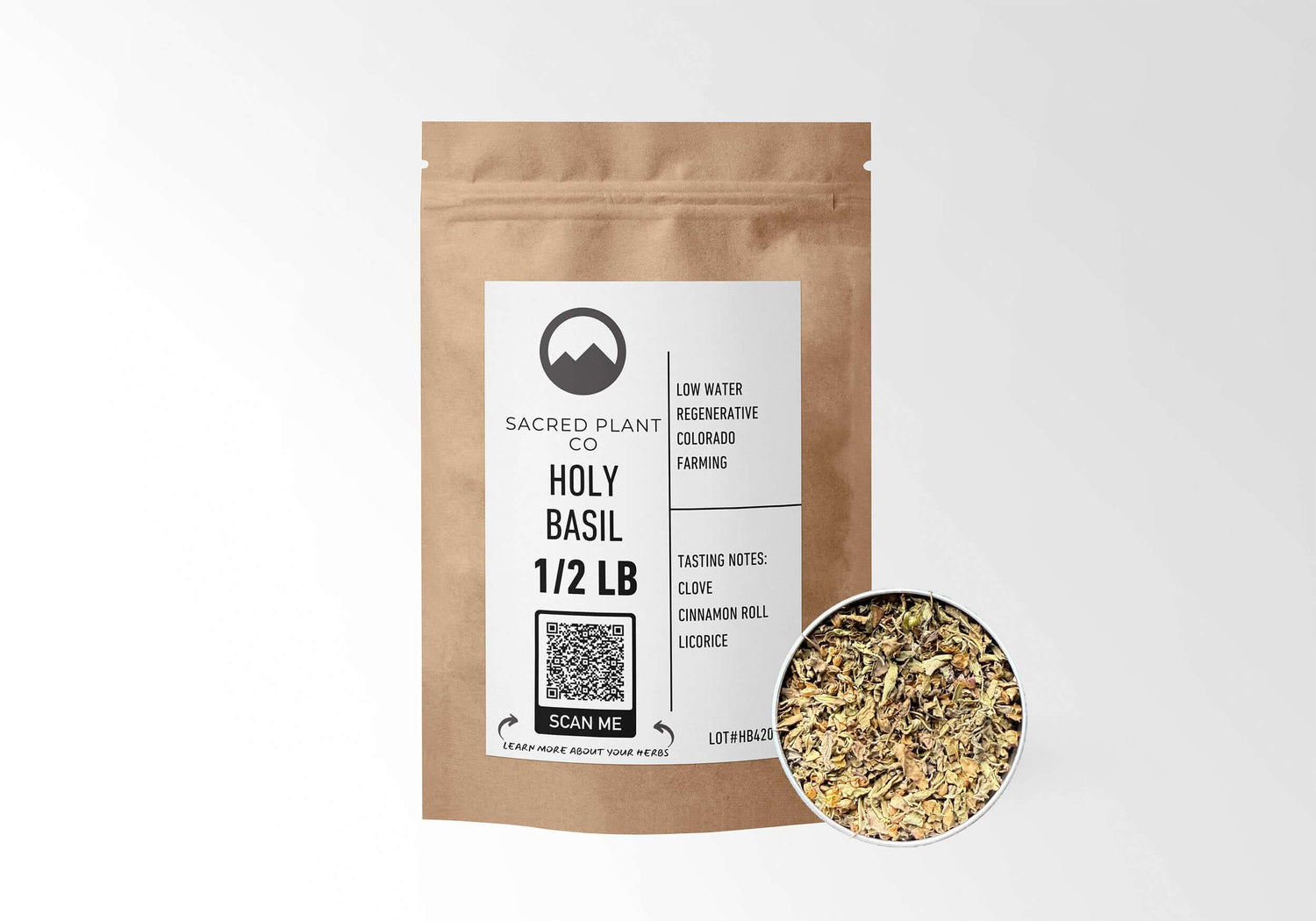
Tulsi Tea (Holy Basil) - Adaptogenic
Starting at $9.99
The "elixir of life" in Ayurvedic tradition. Our regeneratively grown tulsi offers unique bidirectional support — calming mental chatter while supporting physical energy. Perfect for high-stress professionals seeking balanced, sustainable vitality.
Shop TulsiThe Regenerative Farming Advantage, Why Growing Method Changes Phytochemistry
Here's where the conversation shifts from "adaptogens versus stimulants" to "why the quality of adaptogens matters more than most people realize." This is Sacred Plant Co's core expertise, and it's the factor missing from nearly every discussion of herbal efficacy.
Soil Health, Microbial Diversity, and Plant Secondary Metabolites

The medicinal compounds in adaptogens — withanolides in ashwagandha, ginsenosides in ginseng, rosavins in rhodiola — are called secondary metabolites. Unlike primary metabolites (sugars, proteins, lipids needed for basic survival), secondary metabolites are produced in response to environmental conditions, particularly stress, microbial interactions, and nutrient availability.
Research from multiple institutions confirms that soil microbiome composition directly influences the concentration and diversity of these medicinal compounds. A 2021 study in Frontiers in Plant Science demonstrated that plant secondary metabolites and soil microbes exist in complex bidirectional communication: plants release specific phytochemicals that recruit beneficial microbes, and those microbes in turn stimulate the plant to produce higher concentrations of therapeutic compounds.15
Specifically, mycorrhizal fungi, rhizobacteria (particularly Actinobacteria and Firmicutes), and diverse soil organisms contribute to:16
- Enhanced nutrient uptake — Microbes solubilize minerals and create chelated forms plants can absorb, providing the raw materials for phytochemical synthesis
- Stress signaling — Beneficial microbes trigger mild stress responses in plants that upregulate secondary metabolite production without causing damage
- Direct biosynthesis — Some medicinal compounds are actually co-produced by plant-associated endophytic bacteria, not solely by the plant itself
- Protection from pathogens — Healthy soil microbiomes suppress disease, allowing plants to allocate energy toward medicinal compound production rather than survival defense
Studies on medicinal plants including ginseng (Panax spp.) show significant variation in ginsenoside content based on soil microbial communities. Plants grown in microbiome-depleted soil (as occurs with tillage, synthetic inputs, and monoculture) produce measurably lower concentrations of active constituents.17
Curious about the science behind soil and herbal potency? Our article How Regenerative Farming Impacts Herb Potency explores exactly how living soil creates more powerful plant medicine for autonomic nervous system health.
At our I·M·POSSIBLE Farm in Fruita, Colorado, we use Korean Natural Farming (KNF) principles to cultivate diverse, living soil. We build compost with indigenous microorganisms, apply fermented plant inputs rich in beneficial bacteria, practice zero-tillage to preserve soil structure and microbial networks, and integrate poultry for natural fertility cycling. Soil tests from our farm show microbial biomass 3-5 times higher than conventional herb farms, with dramatically higher fungal-to-bacterial ratios indicating mature, resilient soil ecosystems.
This isn't abstract agricultural philosophy — it's the foundation of phytochemical potency. Our regeneratively grown ashwagandha, for example, grows surrounded by billions of beneficial microbes per gram of soil, each contributing to a cascade of signals that tell the plant: "You are supported. Produce your medicine."
Why Regeneratively Grown Adaptogens Support the Nervous System More Reliably
The pathway is: healthy soil → diverse microbiome → enhanced secondary metabolite production → higher concentrations of adaptogenic compounds → more effective nervous system support.
Research published in PMC confirms that soil contamination, heavy metal presence, and microbial depletion significantly reduce the therapeutic quality of medicinal plants.18 Conversely, regenerative practices that build soil organic matter, support microbial diversity, and eliminate synthetic chemical inputs produce herbs with:19
- Higher antioxidant capacity
- Greater concentrations of bioactive alkaloids, saponins, and polyphenols
- Enhanced bioavailability of nutrients
- More complex phytochemical profiles (synergistic compounds working together)
When you consume an adaptogen grown in depleted soil, you're getting a shadow of its potential. When you consume one grown in regenerative soil, you're accessing the full spectrum of what that plant evolved to produce. The difference isn't subtle — it's the difference between marginal support and genuine transformation.
This is why Sacred Plant Co obsesses over soil health. Every decision we make — from mulching systems to cover crop selection to microbial inoculant application — ultimately serves one goal: growing the most medicinally potent adaptogens possible, because soil quality determines plant medicine quality.
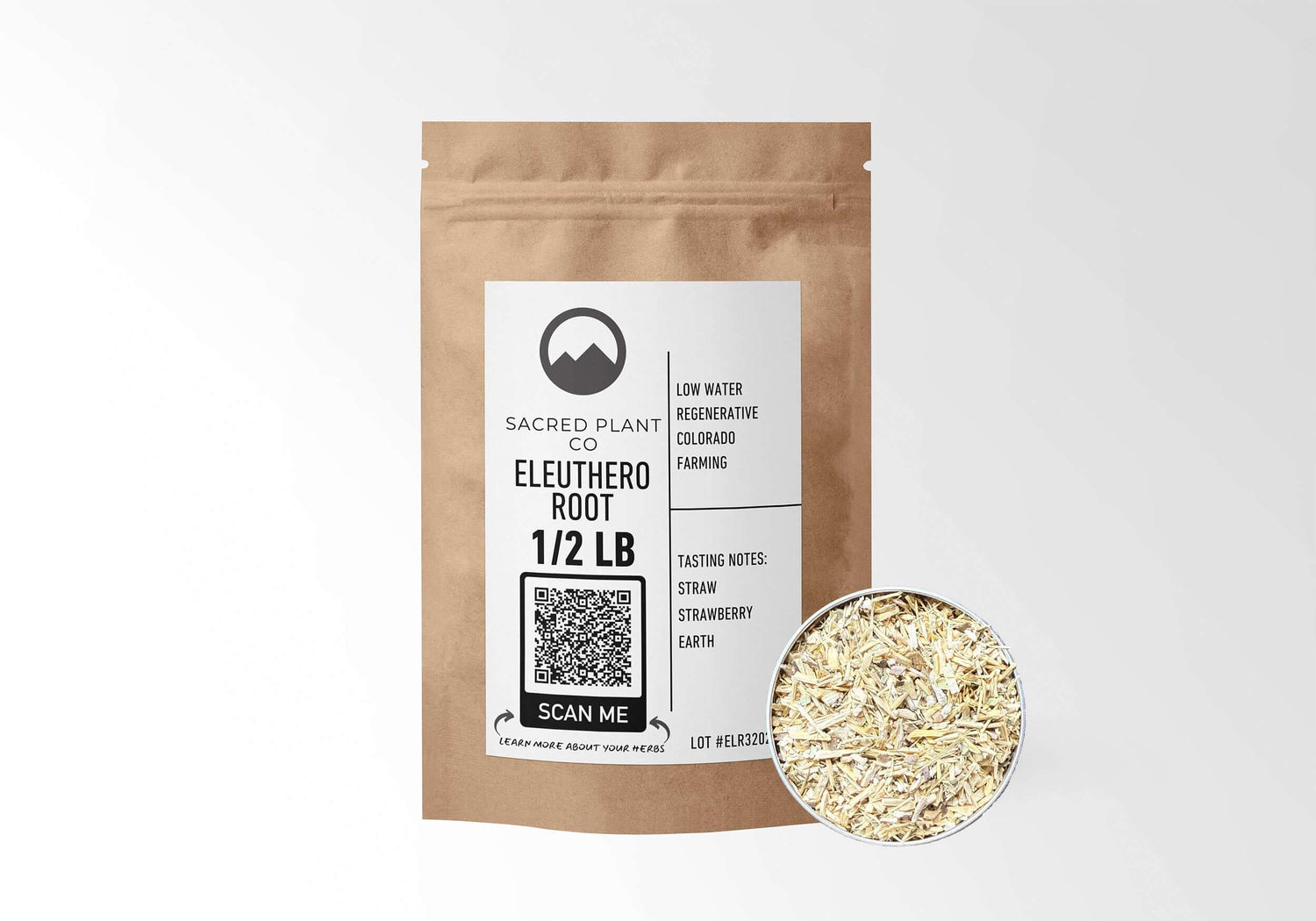
Eleuthero Root (Siberian Ginseng)
Starting at $9.66
Traditional endurance adaptogen revered by Russian athletes and cosmonauts. Our regeneratively grown eleuthero builds stamina and stress resistance over time, supporting sustained physical and mental performance without overstimulation.
Shop EleutheroTransitioning from Stimulant Dependence to Adaptogen-Supported Energy
If you recognize yourself in the stimulant trap — the daily caffeine requirement, the afternoon crashes, the sleep disruption — adaptogens offer a sustainable path forward. We've guided hundreds of herb customers through this transition.
Week 1-2: Gradual Reduction + Adaptogen Introduction
Don't quit caffeine cold turkey — withdrawal headaches make everything harder. Instead, reduce your caffeine intake by 25% while beginning a daily adaptogen protocol. If you're experiencing burnout or high stress, start with Ashwagandha (300-600mg standardized extract twice daily) to calm the nervous system and restore cortisol rhythms. Take it with meals — morning and early evening.
Week 3-4: Further Reduction + Adding Energizing Adaptogens
Reduce caffeine by another 25-50%. Introduce Rhodiola rosea in the morning (200-400mg standardized to 3% rosavins) for mental stamina and fatigue resistance. Rhodiola works best on an empty stomach 30 minutes before breakfast. If you need afternoon support, try Cordyceps (1-2 grams) for sustained physical energy without stimulation.
Month 2+: Stabilization + Baseline Energy Restoration
By now, your HPA axis is beginning to recalibrate. Many people find they can maintain 1 cup of coffee in the morning without dependence, using it as enhancement rather than necessity. Others discover they prefer the steady, clean energy of adaptogens alone. Your sleep should be noticeably deeper. Afternoon crashes should diminish. Stress resilience improves.
Need a complete protocol for stress without prescriptions? Our guide The Complete Guide to Adaptogenic Herbs for Stress provides detailed dosing, timing, and combination strategies for each adaptogen, plus guidance on transitioning away from pharmaceutical approaches.
Calming vs. Energizing Adaptogens
Not all adaptogens affect energy the same way. Ashwagandha, Reishi, and Schisandra tend toward calming and are excellent for evening use. Rhodiola, Eleuthero, and Cordyceps are more energizing and should be taken in the first half of the day. Holy Basil (Tulsi) is uniquely balancing — calming for the mind while supporting physical energy — making it ideal for high-stress professionals.
The goal isn't to demonize caffeine or idealize adaptogens. The goal is sustainable vitality that doesn't require borrowing from tomorrow's reserves. Adaptogens build that foundation. Stimulants, used sparingly and strategically, can be a tool rather than a crutch.
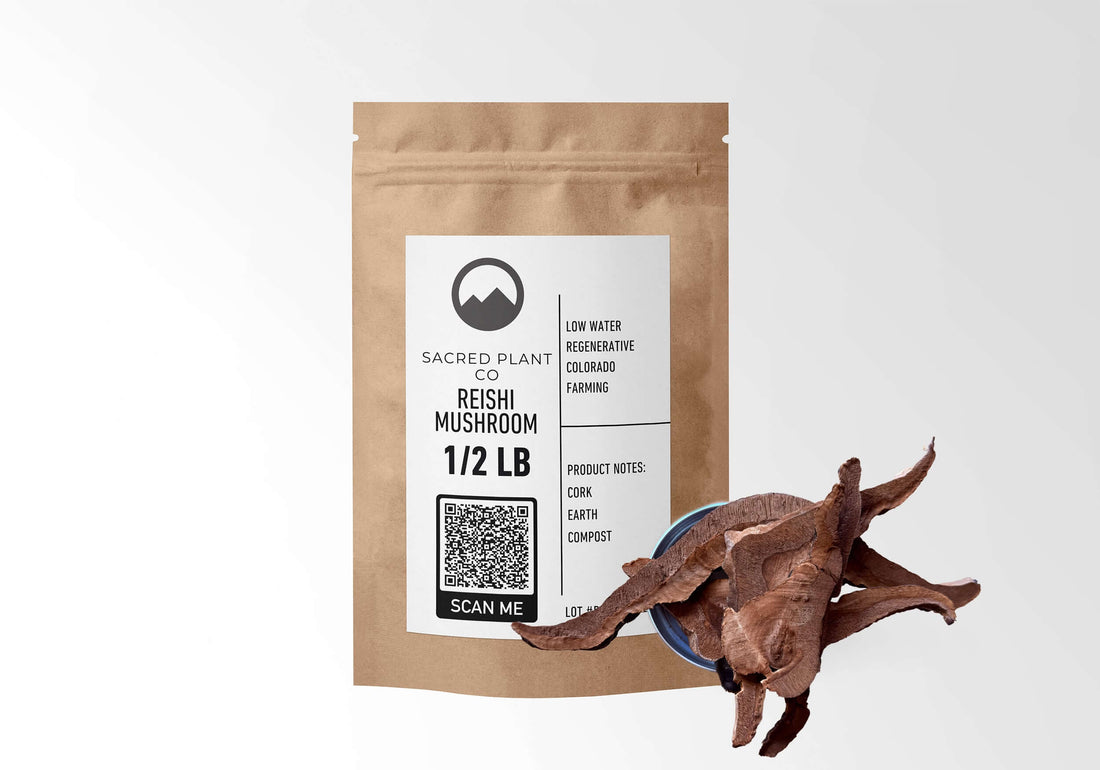
Reishi Mushroom - Medicinal Grade
Starting at $10.99
The "mushroom of immortality" in Traditional Chinese Medicine. Our regeneratively cultivated reishi offers profound immune support and nervous system calming. Perfect for evening use to wind down from overstimulation and support deep, restorative sleep.
Shop ReishiMyths, Misconceptions, and FAQs
Are adaptogens stimulants?
No. Adaptogens modulate your body's stress response system (HPA axis) to improve resilience and energy efficiency. Stimulants override your nervous system's natural fatigue signals. Adaptogens create stability; stimulants create spikes and crashes.
Can adaptogens give you energy?
Yes, but not through stimulation. Adaptogens improve your body's ability to produce and sustain energy by supporting mitochondrial function, optimizing cortisol rhythms, reducing inflammation, and enhancing stress recovery. The energy feels steady and clean, not forced.
Can you combine adaptogens and caffeine?
Yes. Research shows adaptogens may actually smooth caffeine's effects, reducing jitters and crashes while maintaining alertness. Many people find combining Rhodiola or Cordyceps with morning coffee creates sustained focus without the typical downsides.
Do adaptogens work immediately?
Some effects are noticeable within hours (Rhodiola's mental clarity), but adaptogens work best cumulatively over 2-8 weeks. They're building resilience, not forcing a response. Think of them as training your stress response system rather than overriding it.
Are adaptogens safer for long-term use than stimulants?
Significantly. By definition, true adaptogens are non-toxic and safe for extended use. Stimulants carry risks of dependence, tolerance, cardiovascular strain, and adrenal exhaustion when used chronically. Adaptogens support long-term vitality; stimulants borrow from it.
Looking for seasonal adaptogen support? During colder months, your body faces unique metabolic demands. Our guide Adaptogenic Herbs for Winter shows you how to build resilience through seasonal changes using warming, immune-supportive adaptogens.

Cordyceps Mushroom - Athletic Performance
Starting at $9.99
Legendary Tibetan adaptogen prized for physical endurance and cellular energy. Our regeneratively cultivated cordyceps enhances oxygen utilization and ATP production, supporting sustained performance for athletes and active lifestyles without stimulant crash.
Shop CordycepsThe Future of Energy Is Regenerative
The cultural addiction to stimulants reflects a deeper disconnection — from our bodies, from natural rhythms, from the soil that grows our food and medicine. Stimulants let us override fatigue signals and push through depletion. Adaptogens invite us to rebuild the systems that generate genuine vitality.
But here's what the wellness industry won't tell you: not all adaptogens are created equal. The medicinal power of these plants depends entirely on how they're grown. Soil health determines phytochemical potency. Microbial diversity drives secondary metabolite production. Regenerative farming isn't a nice idea — it's the foundation of effective herbal medicine.
At Sacred Plant Co, we don't just sell herbs. We grow them in living soil, rich with billions of beneficial microbes, building year after year. We harvest at peak potency, dry slowly to preserve volatile compounds, and lab-test for purity. When you choose regeneratively grown adaptogens, you're not just supporting your nervous system — you're supporting a model of agriculture that heals land, builds resilience, and produces medicine that actually works.
The future of energy isn't more caffeine. It's soil-powered adaptogens that help your body remember how to thrive.
Important Safety Information
This article is for educational purposes only and is not intended as medical advice. The statements made have not been evaluated by the FDA. Sacred Plant Co products are not intended to diagnose, treat, cure, or prevent any disease. Consult a qualified healthcare practitioner before beginning any new supplement regimen, especially if you are pregnant, nursing, taking medications, or have a medical condition. Adaptogens may interact with certain medications including immunosuppressants, blood thinners, and thyroid medications.
References
- Ribeiro JA, Sebastião AM. Caffeine and adenosine. J Alzheimers Dis. 2010;20 Suppl 1:S3-15.
- Nehlig A, Daval JL, Debry G. Caffeine and the central nervous system: mechanisms of action, biochemical, metabolic and psychostimulant effects. Brain Res Rev. 1992;17(2):139-170.
- Fredholm BB, et al. Actions of caffeine in the brain with special reference to factors that contribute to its widespread use. Pharmacol Rev. 1999;51(1):83-133.
- Panossian A, Wikman G. Effects of adaptogens on the central nervous system and the molecular mechanisms associated with their stress-protective activity. Pharmaceuticals. 2010;3(1):188-224.
- Panossian A, Wikman G. Evidence-based efficacy of adaptogens in fatigue, and molecular mechanisms related to their stress-protective activity. Curr Clin Pharmacol. 2009;4(3):198-219.
- Smith SM, Vale WW. The role of the hypothalamic-pituitary-adrenal axis in neuroendocrine responses to stress. Dialogues Clin Neurosci. 2006;8(4):383-395.
- Daly JW. Caffeine analogs: biomedical impact. Cell Mol Life Sci. 2007;64(16):2153-2169.
- Fredholm BB. Adenosine, adenosine receptors and the actions of caffeine. Pharmacol Toxicol. 1995;76(2):93-101.
- Lovallo WR, et al. Caffeine stimulation of cortisol secretion across the waking hours in relation to caffeine intake levels. Psychosom Med. 2005;67(5):734-739.
- Todorova V, et al. Caffeine-containing, adaptogenic-rich drink modulates the effects of caffeine on mental performance and cognitive parameters. Nutrients. 2020;12(7):2216.
- Panossian A, et al. Adaptogens exert a stress-protective effect by modulation of expression of molecular chaperones. Phytomedicine. 2009;16(6-7):617-622.
- Todorova V, et al. Caffeine-containing, adaptogenic-rich drink modulates the effects of caffeine on mental performance. Nutrients. 2020;12(7):2216.
- Panossian A. Understanding adaptogenic activity: specificity of the pharmacological action of adaptogens. Ann N Y Acad Sci. 2017;1401(1):49-64.
- Zhong Z, et al. Role of mitochondria in rhodiola-mediated neuroprotection. Evid Based Complement Alternat Med. 2018;2018:7857371.
- Liu Y, et al. Linking plant secondary metabolites and plant microbiomes. Front Plant Sci. 2021;12:621276.
- Köberl M, et al. The microbiome of medicinal plants: diversity and importance for plant growth, quality and health. Front Microbiol. 2013;4:400.
- Wei W, et al. Contributions of beneficial microorganisms in soil remediation and quality improvement of medicinal plants. Plants. 2022;11(23):3200.
- Odoh CK, et al. Recent advances in the chemistry of bioactive compounds from plants and soil microbes. Chem Afr. 2021;4:231-248.
- Trivedi P, et al. Microbial regulation of the soil carbon cycle. Nat Rev Microbiol. 2021;19(11):725-739.


