


Peppermint Leaf vs. Ginger Root: Best Herb for Digestive Wellness?
Last updated: November 2, 2025
When it comes to natural remedies for digestive wellness, few herbs hold a reputation as strong, or as soothing, as Peppermint and Ginger. Whether it's calming an upset stomach after a heavy meal or supporting long-term gut health, these two herbal champions have been trusted for generations around the world.
But if you're wondering which one might be better suited to your body, your lifestyle, or your symptoms, you're not alone. In this guide, we'll explore their unique origins, proven benefits, how they work in the body, and when to choose one over the other. Whether you're new to herbal wellness or deepening your natural health journey, consider this your friendly and informative comparison of two time-honored digestive allies.
What You'll Learn in This Digestive Guide
- Traditional wisdom – How ancient cultures used peppermint and ginger for gut health across millennia
- Mechanism differences – Cooling relaxation vs. warming stimulation for digestive function
- Active compounds – Menthol and menthone vs. gingerols and shogaols
- Clinical applications – When to choose each herb for IBS, nausea, bloating, and more
- Synergistic blending – How to combine both herbs for comprehensive digestive support
- Practical recipes – Soothing tea blends and preparation methods for daily use
Two time-tested herbs with digestive superpowers
Both Peppermint and Ginger have earned their place in herbal history. They've been used across centuries and continents to ease bloating, calm cramping, and support smoother digestion.
Peppermint: cooling digestive soother
Peppermint (Mentha × piperita) is well known for its cooling aroma and crisp, refreshing flavor. It's often the go-to herb for indigestion, nausea, and tension in the digestive tract. Traditional uses date back to ancient Egypt and Greece, where peppermint was prized for its antispasmodic properties and ability to ease stomach complaints.
Ancient Egyptians left dried peppermint in tombs and used it in temple rituals. Greek physicians including Dioscorides documented peppermint's digestive benefits in their medical texts. European folk medicine continued these traditions, with peppermint featuring prominently in monastery gardens and herbal dispensaries throughout the Middle Ages.
The name "peppermint" reflects its pungent, peppery quality, distinguishing it from the milder spearmint. This hybrid species (a cross between water mint and spearmint) contains higher concentrations of menthol, the compound responsible for its distinctive cooling sensation and therapeutic effects.
Ginger: warming digestive stimulant
Ginger (Zingiber officinale), on the other hand, is a warming root with a pungent, zesty flavor. It's been used for thousands of years in Ayurvedic and Traditional Chinese Medicine to promote circulation, settle nausea, and stimulate digestion. It's also one of the most researched herbs in modern medicine for treating motion sickness, nausea, and gastrointestinal discomfort.
Sanskrit texts from 2,000 years ago describe ginger as a universal medicine. Traditional Chinese Medicine classifies ginger as a warming herb that disperses cold, resolves phlegm, and harmonizes the middle burner (digestive system). Ayurveda considers ginger (Ardrak when fresh, Shunti when dried) essential for kindling agni—the digestive fire.
Ginger traveled ancient trade routes from Southeast Asia to become a global culinary and medicinal staple. Its preservation qualities made it valuable for long sea voyages, where it helped prevent scurvy and seasickness, uses validated by modern research.
Quick comparison at a glance
| Feature | Peppermint Leaf | Ginger Root |
|---|---|---|
| Form | Dried leaves, tea, tincture, essential oil | Fresh or dried root, tea, tincture, capsules |
| Tradition | Used in ancient Greek and Roman herbalism, and traditional European medicine | Revered in Traditional Chinese Medicine, Ayurveda, and global herbal traditions |
| Best Known For | Easing indigestion, calming the stomach, relieving gas and bloating | Reducing nausea, improving digestion, soothing inflammation |
| Taste Profile | Mint, Alfalfa, Camphor | Pepper, Orange Zest, Fire |
| Best Use Time | After meals or when experiencing digestive discomfort | Before meals for digestive prep or during nausea/bloating |
| Scientific Support | Proven to relax the digestive tract muscles and reduce IBS symptoms | Backed by studies for reducing nausea, improving motility, and lowering inflammation |
Comparing mechanisms for digestive health

While both herbs support digestion, they work differently in the body and offer unique advantages.
How peppermint works
Peppermint works primarily by relaxing the smooth muscles of the gastrointestinal tract. This helps reduce bloating, gas, and cramping, especially in conditions like IBS (Irritable Bowel Syndrome).
- Antispasmodic action: Menthol and menthone block calcium channels in smooth muscle cells, causing relaxation. This reduces intestinal cramping and allows gas to pass more easily
- Cooling and numbing effect: Peppermint activates TRPM8 cold receptors, creating a cooling sensation that soothes irritated tissues and reduces pain perception
- IBS symptom relief: Multiple clinical trials demonstrate that enteric-coated peppermint oil capsules significantly reduce abdominal pain, bloating, and discomfort in IBS patients. A 2019 meta-analysis found peppermint oil superior to placebo for global IBS symptom improvement
- Carminative properties: Peppermint helps expel gas from the digestive system, reducing pressure and discomfort. This makes it particularly useful for postprandial bloating
- Bile flow stimulation: Peppermint may enhance bile secretion, supporting fat digestion and reducing feelings of fullness after fatty meals
Scientific studies support its use in relieving functional GI disorders and easing abdominal pain. Research consistently shows peppermint's effectiveness for conditions where smooth muscle spasm contributes to symptoms.
How ginger works
Ginger stimulates digestive secretions, helping to move food through the digestive system more efficiently. It also reduces nausea by affecting serotonin receptors in the gut and brain.
- Prokinetic activity: Ginger accelerates gastric emptying and intestinal transit. Studies show ginger significantly reduces the time food spends in the stomach, particularly beneficial for those with delayed gastric emptying
- Antiemetic effects: Ginger's gingerols and shogaols block serotonin (5-HT3) receptors in both the gut and the chemoreceptor trigger zone in the brain. This dual action makes ginger highly effective for various types of nausea
- Digestive enzyme stimulation: Ginger increases production of digestive enzymes including lipase, protease, and amylase. This supports more complete digestion and nutrient absorption
- Anti-inflammatory properties: Gingerols inhibit COX and LOX pathways, reducing inflammatory prostaglandins and leukotrienes. This helps calm gut inflammation and supports intestinal barrier function
- Circulation enhancement: Ginger's warming properties increase blood flow to the digestive organs, supporting optimal function and tissue repair
Research shows ginger is especially helpful for nausea related to motion sickness, pregnancy, or chemotherapy. Multiple systematic reviews confirm ginger's effectiveness for these applications, with minimal side effects.

Bulk Peppermint Leaf (Hand-Picked)
Premium Mentha × piperita leaves, hand-picked and regeneratively grown. Low-temperature air-dried and cut-sifted for optimal menthol content. Perfect for soothing digestive teas, IBS support, and after-meal comfort.
Explore peppermintWhen to choose one over the other
The choice between peppermint and ginger depends on your specific digestive needs and symptoms.
Choose peppermint if you:

- Struggle with bloating, gas, or intestinal cramping – Peppermint's antispasmodic action directly addresses smooth muscle tension causing these symptoms
- Want relief from indigestion or IBS symptoms – Extensive research supports peppermint for functional digestive disorders. It's particularly effective for IBS with predominant pain and bloating
- Prefer a cooling, minty flavor – The refreshing taste makes peppermint easy to consume regularly, especially for those who find warming herbs too intense
- Need something calming after meals – Peppermint works well as a post-meal digestive aid, helping relax the digestive tract during the digestive process
- Experience stress-related digestive tension – The cooling, calming qualities help counteract stress-induced gut spasms
- Have heartburn or GERD with caution – While peppermint can help some digestive complaints, it may relax the lower esophageal sphincter. Those with reflux should use peppermint tea cautiously or opt for enteric-coated capsules that release in the intestines rather than the stomach
Choose ginger if you:

- Experience nausea, motion sickness, or morning sickness – Ginger's antiemetic properties are well-documented. Studies show 1-1.5 grams of ginger can significantly reduce nausea in pregnancy (consult healthcare provider first)
- Have tendency toward slow digestion or bloating after eating – Ginger's prokinetic effects speed gastric emptying, preventing food from sitting too long in the stomach
- Enjoy a warming, spicy flavor – Ginger's heat pairs well with honey, lemon, or in culinary applications. Many find it more palatable than peppermint for daily use
- Need ongoing support for gut inflammation – Ginger's anti-inflammatory compounds support intestinal health long-term, making it suitable for daily tonic use
- Want to stimulate digestive fire – In Ayurvedic terms, ginger kindles agni, making it ideal for those with weak digestion, poor appetite, or feeling of heaviness after meals
- Travel frequently – Ginger's motion sickness prevention makes it ideal for travelers. Crystallized ginger or ginger capsules are portable options
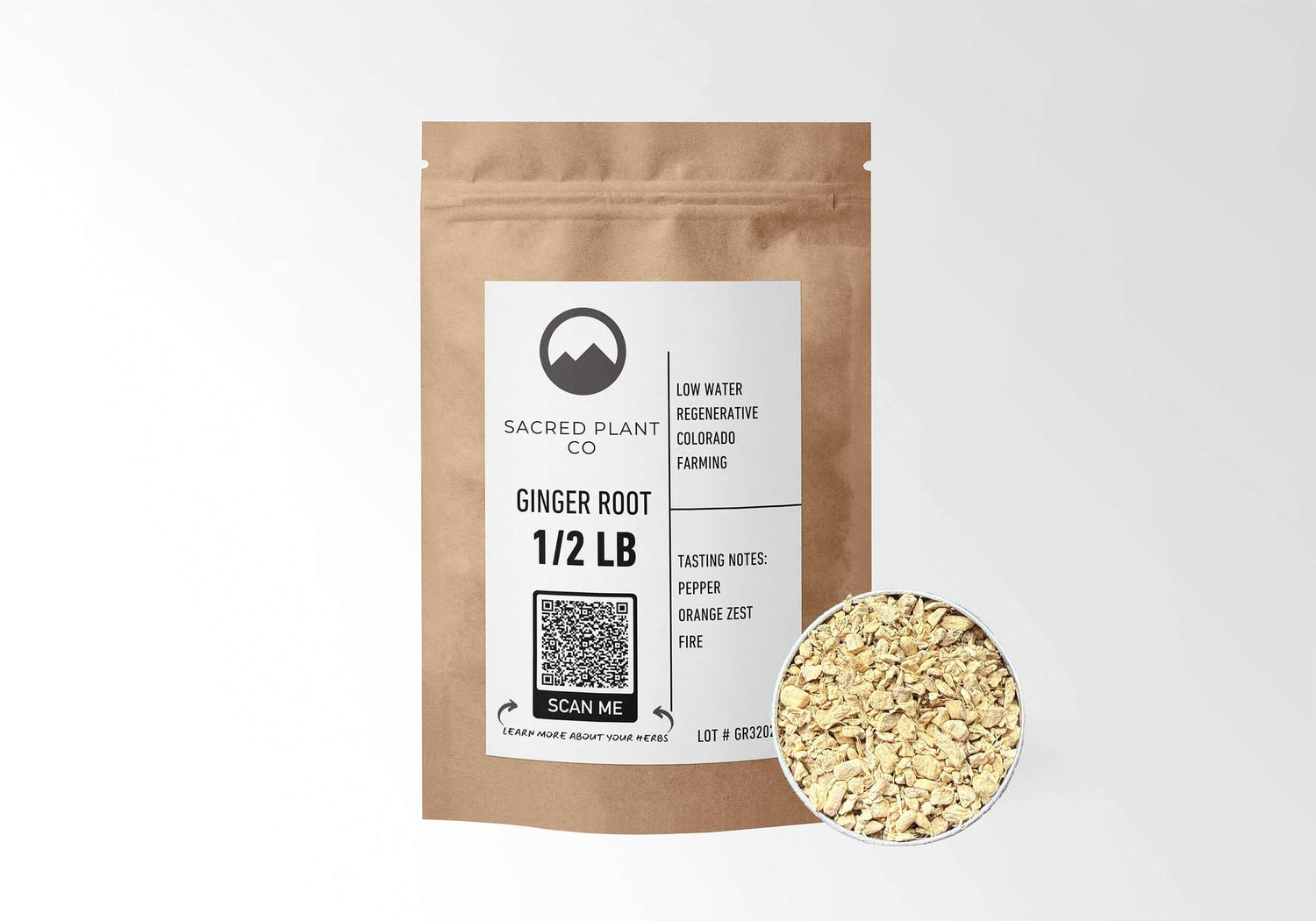
Bulk Ginger Root
Premium Zingiber officinale root, sustainably sourced and carefully dried. Rich in gingerols and shogaols for maximum therapeutic benefit. Perfect for nausea relief, digestive stimulation, and warming wellness teas.
Explore gingerCan you use peppermint and ginger together?
Absolutely. In fact, blending these two herbs can provide the best of both worlds—peppermint to soothe and relax the digestive tract, and ginger to stimulate digestion and reduce nausea.
The combination offers synergistic benefits:
- Comprehensive symptom relief: Address both spasmodic pain (peppermint) and sluggish digestion (ginger) simultaneously
- Balanced energetics: Ginger's warming nature complements peppermint's cooling properties, creating a neutral blend suitable for most constitutions
- Enhanced palatability: The flavors complement each other, creating a pleasant, complex taste that's neither too minty nor too spicy
- Broader application: The combination works well for travel (motion sickness + digestive comfort), post-meal support (relaxation + stimulation), and general digestive wellness
They pair beautifully in tea, tonics, and even in cooking. Use them together after heavy meals, during travel, or anytime your digestion needs a little extra love.
Digestive tea recipe: soothing gut support blend

"Uncover the Herbal Champion for Gut Harmony"
This calming and restorative tea is perfect for sipping after meals or anytime your stomach feels off balance.
Peppermint-Ginger Digestive Tea
 Ingredients:
- 1 teaspoon dried Peppermint Leaf
- 1 teaspoon dried Ginger Root (or 1 tablespoon fresh grated ginger)
- ½ teaspoon dried Chamomile Flowers (optional, for extra relaxation)
- 1 teaspoon raw honey (optional)
- 8 ounces freshly boiled water
- Squeeze of fresh lemon (optional)
Instructions:
- Combine all herbs in a tea infuser or muslin bag
- Place in a mug and pour 8 ounces of hot water (just off boil) over the herbs
- Cover and steep for 8 to 10 minutes. Covering is important to preserve volatile oils
- Remove herbs, sweeten with honey if desired, add lemon squeeze for brightness
- Sip slowly, allowing the tea to work its magic throughout your digestive system
Why this blend works: This combination gently supports digestion, reduces gas and cramping, and brings calm to the entire digestive tract. The optional chamomile adds additional antispasmodic and calming properties, making this an excellent evening tea.
Variations:
- Add ¼ teaspoon fennel seed for enhanced carminative effects
- Include a small piece of fresh lemon peel for additional digestive support
- Add a pinch of cardamom for aromatic complexity and additional warming properties
Additional tips for digestive wellness
- Timing matters: Drink ginger tea 20-30 minutes before meals to prepare digestion, or peppermint tea after meals to soothe and relax
- Travel preparation: Enjoy ginger tea before or during travel to prevent motion sickness. Carry peppermint tea bags for digestive upset on the go
- Quality considerations: Choose high-quality dried herbs from reputable sources like Sacred Plant Co for maximum therapeutic benefit. Properly dried and stored herbs retain more volatile oils and active compounds
- Daily tonic option: Both herbs can be used long-term for digestive support. Rotate between them or use them together for comprehensive gut health maintenance
- Mindful consumption: Pair your herbal tea with mindful eating practices—slow down, chew thoroughly, and eat in a relaxed environment for best results. Even the most powerful herbs work better when you support them with healthy habits
- Keep herbs on hand: Store dried herbs in airtight containers away from light and heat. Having them readily available encourages consistent use when digestive support is needed
Explore More Digestive Health Resources
- Heal from Within: Powerful Herbs to Support Gut Health and Restore Integrity in Leaky Gut – Discover herbs for strengthening gut lining, reducing inflammation, and supporting digestive integrity
- Beat the Bloat: Effective Herbal Remedies for Natural Digestive Relief – Learn about herbs for reducing bloating, easing gas, and promoting smooth digestion
- Start Fresh: Herbal Remedies for Renewal and New Beginnings – Explore botanicals for renewal, clarity, and vitality to support your wellness journey
Frequently asked questions
- Can I use peppermint and ginger together every day?
- Yes, both herbs are safe for daily use and complement each other well. Many people drink 1-3 cups of peppermint-ginger tea daily. However, those with GERD should use peppermint cautiously, and pregnant women should consult healthcare providers before using therapeutic amounts of either herb (especially ginger above 1 gram daily).
- Which herb is better for IBS?
- Peppermint has more extensive research specifically for IBS. Multiple clinical trials show enteric-coated peppermint oil significantly reduces IBS symptoms, particularly abdominal pain and bloating. Ginger can also help IBS symptoms related to slow motility and inflammation, but peppermint is generally considered the first-line herbal approach for IBS.
- Can I take these herbs if I have acid reflux or GERD?
- Ginger is generally safe and may even help GERD by promoting gastric emptying. However, peppermint can relax the lower esophageal sphincter, potentially worsening reflux symptoms in some people. If you have GERD, try ginger first. If using peppermint, choose enteric-coated capsules that bypass the stomach and release in the intestines, or use very dilute peppermint tea and monitor your response carefully.
- How much ginger is safe during pregnancy?
- Always consult your healthcare provider before using any herbs during pregnancy. Some practitioners recommend keeping ginger intake below 1 gram daily during pregnancy and avoiding it entirely near delivery due to theoretical bleeding risk (though no clinical cases support this concern).
- Can children use these herbs?
- Both herbs are generally safe for children over age 2 in appropriate doses. For peppermint tea, use half the adult amount for children 2-6 years, and two-thirds for children 7-12 years. For ginger, use quarter teaspoon of dried ginger for young children, half teaspoon for older children. Avoid peppermint essential oil for children under 6 years (can cause breathing difficulties). Always consult a pediatrician before giving herbs to young children.
- Do these herbs interact with medications?
- Both herbs can potentially interact with certain medications. Peppermint may reduce absorption of some drugs when taken simultaneously; take medications 2 hours apart from peppermint. Ginger may potentiate blood-thinning medications (warfarin, aspirin); consult your doctor if taking anticoagulants. Ginger may also affect diabetes medications by lowering blood sugar. Always inform healthcare providers about herbal supplement use.
- How long does it take to see results?
- For acute symptoms (nausea, cramping, gas), effects can be noticeable within 20-30 minutes of consuming tea or taking supplements. For chronic conditions like IBS, consistent use over 2-4 weeks typically yields best results. Some people notice improvements within days, while others need several weeks of regular use to experience full benefits.
- Can I use fresh herbs instead of dried?
- Yes! Fresh herbs are excellent, though potency differs from dried. For peppermint, use 2-3 times more fresh leaves than the recipe calls for dried. For ginger, fresh root is highly effective—use about 1 tablespoon grated fresh ginger per cup of tea (equivalent to 1 teaspoon dried). Fresh ginger has a brighter, more pungent flavor and higher levels of gingerol (the compound that converts to shogaol during drying).
Choosing your gut-healing herbal ally

Both Peppermint and Ginger offer gentle, effective support for digestive health—but your choice depends on your needs. For bloating, cramping, and post-meal discomfort, reach for the cooling relief of peppermint. For nausea, sluggish digestion, or a warming digestive kick, ginger is your go-to root.
Together, they offer a holistic way to care for your gut and bring comfort to your daily routine. The beauty of herbal digestive support lies in its safety, gentleness, and adaptability to individual needs.
Ready to bring herbal harmony to your digestion? Explore Sacred Plant Co's premium selection of digestive herbs and discover the power of natural gut support. Your digestive system will thank you.
Educational purposes only. This information has not been evaluated by the FDA. Our products are not intended to diagnose, treat, cure, or prevent any disease. Consult qualified healthcare providers for medical concerns, particularly regarding digestive disorders and medication interactions.


