


Chinese Herbs for Hair Growth
 Lustrous hair serves as a visible marker of robust blood vitality and balanced kidney essence, signaling that nutritional therapy is reaching the follicle level.
Strong, lustrous hair reflects more than good genetics—it signals balanced internal health. This is a principle deeply embedded in the practices we honor at Sacred Plant Co, where our approach to botanical wellness recognizes that true vitality emerges from the soil up. When herbs grow in living, microbially-rich ecosystems rather than depleted fields, they develop fuller phytochemical profiles that translate to more effective therapeutic applications.
Traditional Chinese Medicine observed centuries ago what modern research now confirms: hair quality serves as a visible marker of liver and kidney function, blood vitality, and hormonal equilibrium. Thinning strands, premature graying, or brittle texture don't merely require topical fixes—they call for addressing the body's deeper imbalances through herbs that tonify, invigorate, and restore.
The Chinese herbs for hair growth featured in this guide represent botanical allies cultivated and sourced with integrity. While our I·M·POSSIBLE Farm demonstrates Korean Natural Farming methods that prioritize soil biology and plant resilience, we source these specific TCM herbs through trusted partnerships that share our commitment to quality over convenience. Whether farm-grown or ethically wildcrafted, regenerative principles guide our evaluation: Does this herb come from soil that was nourished, not just mined? Were natural cycles respected in its cultivation or harvest?
This distinction matters because depleted soils produce depleted medicine. Studies show that plants grown in mineral-rich, biologically active soil develop higher concentrations of the very compounds—ginsenosides, polysaccharides, antioxidants—that make them therapeutically valuable. When we speak of hair-nourishing herbs, we're discussing not just which plants to use, but the quality of those plants and how their growing conditions influence their medicinal potency.
What You'll Learn
- How Traditional Chinese Medicine explains hair loss through the lens of kidney essence, blood deficiency, and qi stagnation—and which specific herbs address each pattern
- The scientifically-verified mechanisms behind Fo-Ti's legendary reputation for restoring hair color and stimulating follicle proliferation
- Why ginseng's ginsenosides specifically target dermal papilla cells at the follicle base to extend the growth phase and prevent miniaturization
- Practical preparation methods: creating scalp-stimulating oil infusions, nutrient-dense teas, and protein-rich hair masks from powdered herbs
- The difference between prepared (processed) and raw Fo-Ti, and why this distinction is critical for both safety and effectiveness
- How to build a daily hair support routine combining internal nourishment with targeted topical treatments for comprehensive results
- Constitutional patterns in TCM—identifying whether your hair loss stems from blood deficiency, kidney depletion, heat, or stagnation to personalize your herbal approach
- Realistic timelines and expectations: what genuine herbal therapy can achieve over 3-6 months versus marketing myths about instant transformation
Understanding Hair Growth Through the TCM Lens
The Hair Growth Cycle: Eastern and Western Perspectives Align
Western dermatology and TCM actually agree on hair's fundamental growth patterns, though they describe mechanisms differently:
Western understanding:
- Anagen phase (growth): Active growth lasting 2-7 years, with cells in follicle base rapidly dividing
- Catagen phase (transition): 2-3 week period where growth slows and follicle shrinks
- Telogen phase (resting): 3-4 month resting period before hair sheds and cycle restarts
Approximately 85-90% of hair should be in anagen phase at any time. When this percentage drops significantly, visible thinning occurs.
TCM perspective: Views hair as "surplus of blood" and "manifestation of kidney essence." When blood is abundant and kidney essence robust, hair grows thick and lustrous. Deficiency in either leads to thin, brittle, or prematurely gray hair. Stagnant qi or blood blocks nourishment from reaching follicles, causing patchy or uneven growth.
These perspectives complement rather than contradict. TCM's "blood deficiency" often correlates with low iron, poor circulation, or nutritional deficiencies that Western medicine also recognizes as hair growth impediments. "Kidney essence" relates to hormonal health and aging—factors conventional medicine acknowledges as crucial for maintaining hair.
Why Hair Loss Happens: Identifying Root Causes
 Targeting the root cause of thinning hair requires botanical intervention capable of resolving underlying blood stasis and energetic blockages.
Hormonal imbalances: Androgenetic alopecia (pattern baldness) results from follicle sensitivity to DHT (dihydrotestosterone). TCM addresses this through herbs that nourish kidney essence and regulate hormones. Postpartum hair loss, thyroid-related shedding, and PCOS-associated thinning all represent hormonal disruptions requiring internal balancing rather than just topical treatment.
Poor circulation: Follicles need robust blood supply delivering oxygen and nutrients. TCM describes this as "blood stasis" or "qi stagnation"—blockages preventing proper nourishment flow. Stress, poor posture, lack of exercise, and certain health conditions all impair scalp circulation. Herbs that "invigorate blood" and "move qi" address this mechanistically by improving microcirculation.1
Blood deficiency: In TCM terms, insufficient blood quantity or quality fails to nourish hair adequately. This correlates with iron deficiency anemia, B-vitamin deficiency, and inadequate protein intake in Western terms. Hair becomes one of the first tissues to suffer when nutritional resources are scarce, as the body prioritizes vital organs.
Kidney essence depletion: TCM's concept of "jing" (essence) relates to genetic endowment, aging, and reproductive health. Kidney jing naturally declines with age, explaining age-related hair changes. Excessive stress, overwork, chronic illness, and poor lifestyle choices accelerate depletion. Herbs that "tonify kidney essence" may influence hormones, cellular energy, and aging processes.
Chronic stress: Elevates cortisol, triggers telogen effluvium (premature shift to resting phase), and exacerbates autoimmune hair loss. TCM recognizes stress as causing "liver qi stagnation"—an energetic blockage that disrupts multiple body systems including hair growth regulation.2
Understanding these mechanisms helps explain why specific herbs work and which combinations address your particular pattern best.

Premium Goji Berries
Sweet, antioxidant-rich goji berries traditional to TCM blood tonics. Nourishes hair from within with vitamins, minerals, and amino acids.
Shop Goji BerriesTop Chinese Herbs for Hair Growth: Traditional Applications and Modern Science
Fo-Ti (He Shou Wu): The Legendary Hair Rejuvenator
 Plants cultivated in biologically active soils synthesize the dense, complex phytochemical profiles necessary to yield genuine therapeutic potency.
No herb enjoys more fame in TCM for hair health than Fo-Ti (Polygonum multiflorum). The name "He Shou Wu" translates to "Mr. He's black hair," referencing the legend of an elderly man named He who restored his gray hair to black after consuming this root. While we should view such legends skeptically, Fo-Ti's reputation persists because traditional use produces observable results.
Traditional applications: TCM classifies Fo-Ti as a supreme kidney and liver tonic. Practitioners prescribe it for premature graying, hair thinning, hair loss, and maintaining hair color into old age. The herb "tonifies blood" and "nourishes jing" (essence), addressing the root TCM patterns associated with hair problems.
Modern research findings: Studies show Fo-Ti extract promotes hair follicle proliferation and extends anagen phase duration in laboratory models.3 The root contains compounds that may inhibit 5-alpha reductase (the enzyme converting testosterone to DHT), offering a mechanism for pattern baldness prevention. Antioxidant compounds protect follicles from oxidative stress.
How it works: Fo-Ti improves blood circulation to the scalp, delivers nutrients to follicles, provides antioxidant protection, may modulate hormones affecting hair growth, and supports the body's natural melanin production (potentially slowing graying process).
Application methods:
- Internal use: Brew 1-2 teaspoons dried root in hot water, steep 15-20 minutes, drink 1-2 cups daily. Or take capsules/tincture as directed. Internal use provides systemic benefits
- Topical application: Create strong decoction (simmer root in water 30 minutes), cool, use as final hair rinse after shampooing 2-3 times weekly
- Hair masks: Grind dried root to powder, mix with oil or conditioner, apply to scalp and hair, leave 30-60 minutes
Important note: Use prepared (processed) Fo-Ti for internal consumption. Raw Fo-Ti can cause digestive upset. Prepared Fo-Ti undergoes traditional processing that makes it safe and more effective. Consult herbalist or healthcare provider before internal use, especially if taking medications.
Ginseng: The King of Herbs for Follicle Stimulation
 Wild-simulated cultivation forces the root to produce higher concentrations of ginsenosides, the exact compounds responsible for dermal papilla cell stimulation.
Both Asian ginseng (Panax ginseng) and American ginseng (Panax quinquefolius) benefit hair, though with slightly different energetic properties. Asian ginseng provides more warming, stimulating effects, while American ginseng offers cooler, more moistening qualities. For hair purposes, either works effectively.
Traditional applications: Chinese medicine considers ginseng a supreme qi tonic. The herb "supplements vitality," improves blood circulation, and enhances overall body function. For hair, practitioners value ginseng's ability to invigorate scalp circulation and strengthen hair roots through improved qi and blood flow.
Modern research findings: Multiple studies demonstrate ginseng's hair growth properties. Ginsenosides (ginseng's active compounds) stimulate dermal papilla cells—the specialized cells at follicle bases that orchestrate hair production.4 Research shows ginseng prolongs anagen phase, reduces hair loss, and may reverse follicle miniaturization.
How it works: Ginseng enhances blood flow to scalp and follicles, stimulates dermal papilla cell proliferation, provides anti-inflammatory effects that protect follicles, delivers antioxidant protection against aging, and may modulate hormones and immune function beneficially.

American Ginseng Root
Premium 6-year-old American ginseng root. Stimulates circulation, strengthens follicles, supports hair growth through ginsenoside-rich compounds.
Shop Ginseng RootRehmannia: The Hormonal Balancer and Blood Nourisher
Rehmannia glutinosa stands as one of TCM's most important blood tonics. Both prepared (cooked) and raw rehmannia see use, with prepared form (shu di huang) preferred for long-term hair support as it's more nourishing and less cooling.
Traditional applications: Rehmannia "nourishes yin and blood" while "tonifying kidney essence." TCM prescribes it for patterns involving blood deficiency, yin deficiency with heat, and kidney essence depletion—all associated with hair loss, premature graying, and poor hair quality. The herb features prominently in classical formulas for hair health.
Modern research findings: Studies show rehmannia contains compounds with anti-inflammatory, immune-modulating, and hormone-balancing properties. Research suggests benefits for autoimmune conditions, hormonal regulation, and reducing inflammation—all relevant to various hair loss causes.5
How it works: Rehmannia nourishes blood and supports its production, balances hormones that affect hair growth, reduces scalp inflammation, provides antioxidant protection, and supports kidney and liver function (organs crucial for hair health in TCM).
Goji Berries: The Nutrient-Dense Blood Tonic
Goji berries (Lycium barbarum) rank among TCM's most beloved tonics, prized for their pleasant taste and broad health benefits. For hair, these antioxidant-rich berries provide comprehensive nutritional support.
Traditional applications: Goji berries "nourish liver and kidney" while "supplementing jing and blood." TCM practitioners recommend them for maintaining hair color, improving hair texture, and supporting overall vitality. The berries are gentle enough for long-term daily use.
Modern research findings: Goji berries contain exceptional concentrations of antioxidants (including zeaxanthin, carotenoids, and polysaccharides), vitamins (A, C, B vitamins), minerals (iron, zinc, copper), and amino acids. This nutrient density supports multiple aspects of hair health simultaneously.
How it works: Provides building blocks for hair protein synthesis, delivers antioxidants that protect follicles from oxidative damage, supplies iron for preventing deficiency-related hair loss, supports immune function and overall health, and improves blood quality (important in TCM for hair nourishment).
Dong Quai: The Female Ginseng for Hormonal Hair Loss
Dong Quai (Angelica sinensis) earns its nickname "female ginseng" through traditional use for women's health issues. However, the herb benefits anyone experiencing hormone-related hair changes, not just women.
Traditional applications: Dong Quai "nourishes and invigorates blood" while "regulating menstruation and harmonizing hormones." TCM values it particularly for hair issues related to blood deficiency, hormonal imbalances, or poor circulation. The herb features in numerous classical formulas addressing hair health.
Modern research findings: Studies show Dong Quai contains compounds with estrogenic activity, anti-inflammatory effects, and circulation-enhancing properties. Research suggests benefits for hormonal balance, blood circulation, and reducing inflammation—all relevant to hormone-related hair loss.
How it works: Helps balance sex hormones that affect hair growth, improves blood circulation to scalp and follicles, nourishes blood quality and quantity, reduces inflammation, and provides phytoestrogens that may benefit hormonal hair loss.
Explore Hair Herbs from Other Traditions
Discover complementary approaches to botanical hair care from global healing systems:
- Ayurvedic Herbs for Hair Health – Including amla, neem, and hibiscus for strengthening and shine
- Stinging Nettle for Hair Growth – Western herb with DHT-blocking science and traditional wisdom
- Best Herbs for Hair Growth – Comprehensive guide to 8 powerful hair-supporting botanicals
Traditional TCM Hair Care Recipes
Hair-Strengthening Fo-Ti Tea
 Proper steeping protocols ensure the full extraction of active constituents from prepared Fo-Ti, critical for tonifying the blood and maintaining natural color.
This daily tonic addresses the internal patterns associated with hair loss and premature graying.
Ingredients:
- 1-2 teaspoons prepared (processed) Fo-Ti root
- 1 cup hot water (just off boil)
- Optional: small piece of fresh ginger, honey to taste
Instructions:
- Place Fo-Ti root in teapot or mug
- Pour hot water over root, cover to prevent volatile compounds from escaping
- Steep 15-20 minutes for full extraction
- Strain, add ginger or honey if desired
- Drink 1-2 cups daily, preferably between meals for optimal absorption
Traditional timing: TCM recommends taking kidney tonics in late afternoon or early evening (kidney time is 5-7 PM) for enhanced effectiveness.
Expected results: Consistent daily use over 3-6 months may reduce shedding, improve hair texture, and slow graying process. This is internal medicine—results develop gradually as the body rebalances.
Nourishing Ginseng and Goji Berry Hair Mask
 Applying ginsenoside-rich pastes directly to the scalp bypasses digestive breakdown, offering immediate stimulation to localized microcirculation.
This topical treatment delivers nutrients directly to scalp and hair while stimulating circulation.
Ingredients:
- 1 teaspoon powdered ginseng root (or grind dried slices)
- 1 tablespoon dried goji berries, crushed or ground
- 2-3 tablespoons coconut oil (or jojoba oil for lighter alternative)
- Optional: 1 teaspoon honey, 5 drops rosemary essential oil
Instructions:
- If using coconut oil, warm gently until liquid (don't overheat)
- Mix ginseng powder and crushed goji berries into oil
- Add honey and essential oil if using
- Stir to create smooth paste (add more oil if too thick)
- Section hair and apply mixture directly to scalp, massaging in circular motions
- Work remaining mask through hair lengths, concentrating on ends
- Cover with shower cap, wrap towel around head for heat
- Leave 30-60 minutes (longer for intensive treatment)
- Shampoo thoroughly (may require two washes to remove oil)
Frequency: Use weekly for active hair concerns, bi-weekly for maintenance. The massage component is as important as the herbs—spend several minutes working mixture into scalp to stimulate circulation.
Scalp-Boosting Rehmannia Tonic
 Simmering Rehmannia root is an essential processing step required to release the deep, blood-nourishing constituents necessary for sustained hormonal balance.
This internal formula addresses blood deficiency and yin deficiency patterns while supporting hormonal balance.
Ingredients:
- 1-2 teaspoons prepared rehmannia root
- 1 cup hot water
- Optional: slice of fresh ginger, lemon, or a few goji berries
Instructions:
- For best extraction, simmer rehmannia root in water for 15-20 minutes rather than just steeping
- Strain into mug
- Add ginger, lemon, or goji berries for enhanced flavor and benefits
- Drink warm, 1-2 cups daily
Traditional use: Rehmannia works best combined with other herbs. Traditional formulas pair it with dong quai, white peony root, and ligusticum for comprehensive blood nourishment. Consult TCM practitioner for personalized formula.
Best timing: Evening consumption supports the body's nighttime repair and regeneration processes when hair growth hormone production peaks.
Dong Quai and Coconut Oil Scalp Treatment
 Fat-soluble phytoestrogens from Dong Quai penetrate the hair shaft most effectively when delivered through a gently warmed, lipid-rich carrier oil.
This intensive scalp treatment addresses circulation, inflammation, and hormone-related hair concerns.
Ingredients:
- 1 teaspoon powdered dong quai root (or grind dried slices)
- 2-3 tablespoons coconut oil
- 1 teaspoon aloe vera gel (fresh or pure commercial)
- Optional: 3-5 drops lavender essential oil for calming scent
Instructions:
- Warm coconut oil gently until liquid (don't overheat—excessive heat degrades beneficial compounds)
- Remove from heat, add dong quai powder and stir thoroughly to blend
- Once slightly cooled, add aloe vera gel and essential oil if using
- Mix until smooth and well combined
- Part hair into sections, apply mixture directly to scalp using fingers or applicator bottle
- Massage thoroughly for 5-10 minutes using circular motions—this circulation stimulation is crucial
- Once scalp is covered, work remaining treatment through hair lengths
- Cover with shower cap, wrap warm towel around head
- Leave 30-60 minutes (or overnight for intensive treatment)
- Shampoo 1-2 times to remove all oil, follow with lightweight conditioner
Why each ingredient matters: Dong quai provides hormone-balancing and circulation-enhancing compounds. Coconut oil penetrates hair shaft while delivering the herb's fat-soluble compounds. Aloe vera soothes scalp inflammation and adds moisture. The extended contact time allows full absorption.
Frequency: Use 1-2 times weekly for hormonal hair loss or thinning. Those with oily scalps may prefer once weekly. Very dry or damaged hair can tolerate twice weekly applications.
Building a Complete Daily Routine with Chinese Herbs
Consistency produces results with botanical medicine. TCM emphasizes regular practice over sporadic intensive treatments. This daily routine integrates Chinese herbs seamlessly into modern life:
Morning: Nourish and Stimulate
Upon waking:
- Drink warm water to support kidney function (in TCM, kidneys govern hair)
- Prepare rehmannia or Fo-Ti tea to sip with breakfast
- Add 1-2 tablespoons goji berries to oatmeal, yogurt, or smoothie
After breakfast:
- Spend 2-3 minutes massaging scalp with fingertips using firm circular motions
- Work from hairline to crown, temples to back of head
- This stimulates blood flow and sets positive tone for the day
Why it matters: Morning herb consumption provides sustained benefits throughout the day. The scalp massage activates circulation when cortisol naturally peaks, maximizing stimulation effects.
Midday: Maintain Energy and Blood Flow
Lunch:
- Include iron-rich foods (dark leafy greens, legumes, lean meats) to support blood nourishment
- Drink ginseng tea (warm or room temperature) to maintain energy and circulation
Afternoon snack:
- Keep goji berries at desk or in bag for convenient, hair-nourishing snack
- The natural sweetness satisfies cravings while delivering antioxidants and nutrients
Why it matters: Sustained nutrition throughout the day ensures consistent nutrient delivery to follicles. Ginseng's energizing effects combat afternoon fatigue that can impair circulation.
Evening: Repair and Balance
After work (5-7 PM, kidney time in TCM):
- Brew Fo-Ti or rehmannia tea as part of unwinding routine
- This timing aligns with kidney organ clock for enhanced tonic effects
Before dinner:
- If applying topical treatment, do so now to allow absorption time before bed
- Apply hair mask or scalp oil while preparing or eating dinner
Why it matters: Evening herb consumption supports nighttime repair processes. The body naturally directs resources toward restoration during sleep—providing herbs then maximizes their rebuilding effects.
Night: Deep Restoration
Before bed:
- Final gentle scalp massage (1-2 minutes) to promote relaxation and circulation
- Sip calming dong quai tea if using for hormonal balance
- Ensure 7-8 hours quality sleep—growth hormone peaks during deep sleep stages
Weekly additions:
- Deep conditioning treatment (hair mask) 1-2 times weekly
- Fo-Ti hair rinse after shampooing
- Extended scalp massage (10-15 minutes) while relaxing
Why it matters: Sleep is when maximum repair and growth occur. Supporting the body with herbs before rest ensures optimal conditions for hair regeneration throughout the night.
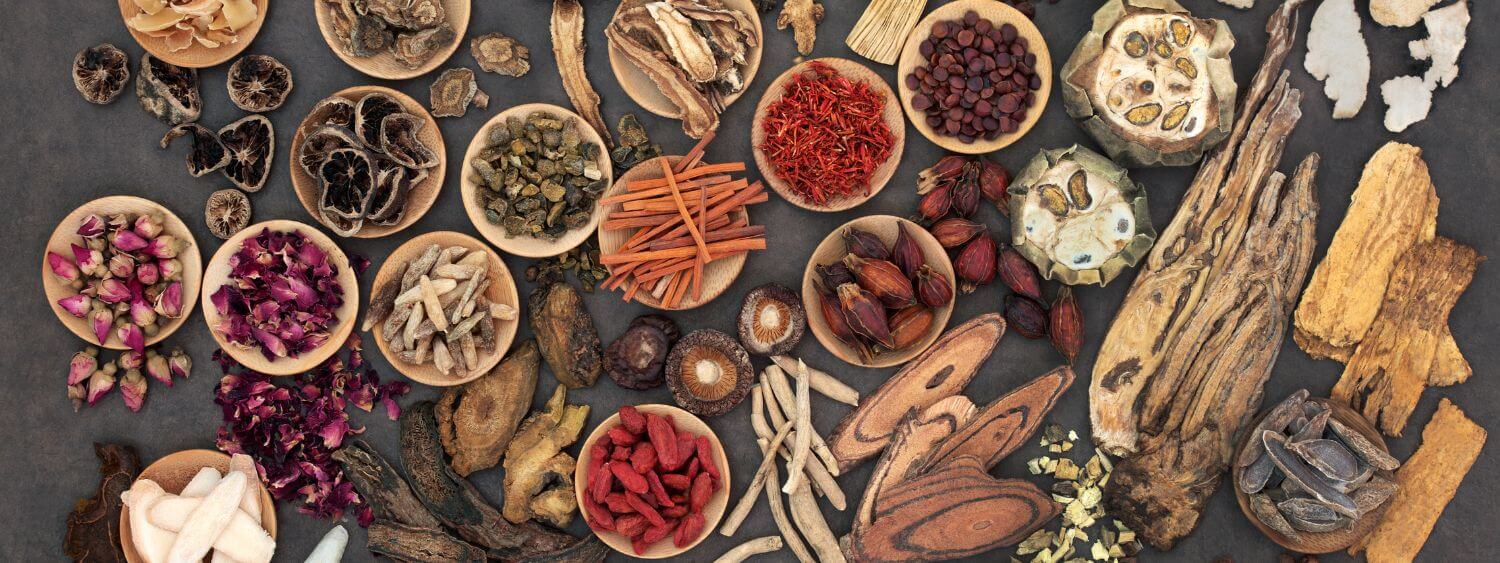
Explore Our Complete TCM Collection
Discover the full range of Traditional Chinese Medicine herbs for holistic wellness. Each herb sustainably sourced and carefully processed. Ancient wisdom meets modern quality standards.
Shop TCM HerbsMaximizing Results: Tips from TCM Practitioners
The Internal-External Principle
TCM rarely treats conditions with external applications alone. Hair problems reflect internal imbalances that require internal correction. The most effective approach combines:
- Internal herbs (teas, tinctures, capsules): Address root causes like blood deficiency, kidney essence depletion, hormonal imbalances
- External treatments (masks, rinses, oils): Provide direct nourishment to scalp and hair while stimulating local circulation
- Lifestyle modifications: Sleep, stress management, diet, exercise all influence hair health
Using topical treatments alone addresses symptoms but not causes. Internal herbs without external care miss opportunities for direct scalp nourishment. The combination produces synergistic results exceeding either approach alone.
Constitutional Considerations
TCM recognizes individual differences in constitution and presentation. Two people with hair loss may have completely different underlying patterns requiring different herbal strategies:
Blood deficiency pattern:
- Symptoms: Thin, brittle hair, pale complexion, fatigue, dizziness, pale tongue
- Best herbs: Rehmannia, dong quai, goji berries (blood nourishing herbs)
Kidney essence deficiency:
- Symptoms: Premature graying, thinning hair, lower back weakness, weak knees, aging signs
- Best herbs: Fo-Ti, rehmannia, goji berries (kidney tonics)
Blood stasis/Qi stagnation:
- Symptoms: Hair loss in patches, scalp tension, stress, purple tongue
- Best herbs: Dong quai, ginseng (circulation-enhancing herbs)
Heat/Inflammation pattern:
- Symptoms: Oily scalp, redness, irritation, rapid hair loss
- Best herbs: Rehmannia, cooling herbs, anti-inflammatory botanicals
While the herbs discussed benefit most people, working with a TCM practitioner allows personalized diagnosis and formula customization for optimal results.
The Patience Principle
TCM herbs work gradually, building strength and correcting imbalances over weeks and months rather than days. This differs from Western medicine's expectation of rapid symptom suppression.
Realistic timeline:
- Weeks 1-4: Internal shifts begin (improved energy, better sleep, reduced stress) but hair changes remain subtle
- Weeks 4-8: Reduced shedding becomes noticeable, scalp health improves, existing hair feels stronger
- Months 2-3: Hair texture improvement becomes obvious, baby hair growth may appear at hairline
- Months 3-6: Visible density increase, reduced breakage means length retention, overall hair quality transforms
- Months 6-12: Cumulative benefits plateau at new baseline, maintenance protocols sustain results
Consistency matters infinitely more than intensity. Daily modest efforts sustained over months exceed sporadic intensive treatments.
Diet and Lifestyle Integration
Herbs work best when supporting healthy foundation, not compensating for poor habits:
Dietary support:
- Adequate protein (hair is 95% protein—aim for 0.8-1g per kg body weight daily)
- Iron-rich foods (leafy greens, legumes, lean meats, blackstrap molasses)
- Healthy fats (omega-3s from fish, walnuts, flax support hair structure)
- B-vitamins (whole grains, eggs, leafy greens)
- Avoid excessive sugar, processed foods, trans fats (create inflammation and hormonal disruption)
Stress management:
- Chronic stress elevates cortisol, triggering telogen effluvium
- Daily practices: meditation, tai chi, qigong, gentle yoga, nature walks
- Even 10-15 minutes daily produces measurable cortisol reduction
Sleep quality:
- Growth hormone peaks during deep sleep stages
- Aim for 7-8 hours nightly in completely dark room
- Consistent sleep schedule supports circadian rhythms
Gentle hair handling:
- Minimize heat styling, chemical treatments, tight hairstyles
- Use wide-tooth comb on wet hair
- Pat dry rather than rough towel-drying
- Protect from UV exposure, chlorine, pollution when possible
Special Considerations and Precautions
Pregnancy and breastfeeding: Many TCM herbs are contraindicated during pregnancy. Dong quai, Fo-Ti, and ginseng should generally be avoided. Goji berries are typically considered safe in food amounts. Always consult healthcare provider and qualified TCM practitioner before using medicinal herbs during pregnancy or lactation.
Medication interactions: Herbs can interact with pharmaceuticals. Ginseng may affect blood pressure and blood sugar medications. Dong quai can interact with blood thinners. Inform all healthcare providers about herbal use.
Autoimmune conditions: Some herbs modulate immune function. Those with autoimmune hair loss or other autoimmune conditions should work with knowledgeable practitioners to avoid triggering flares.
Quality matters critically: TCM herbs should be sourced from reputable suppliers who test for contaminants (pesticides, heavy metals, adulterants). Poor quality herbs provide minimal benefits and may contain harmful substances.
Quality Assurance: Our Commitment to Purity
We publish the signed Certificate of Analysis for every lot we test on our lab testing page.
Ancient Wisdom Meets Modern Science
The Historical Context: Hair as Health Indicator
 Modern dermatological science increasingly validates what ancient herbalists observed: sustainable hair growth relies entirely on systemic nutritional density.
Ancient Chinese emperors maintained personal physicians whose primary responsibility was preserving imperial health and longevity. These physicians observed that hair quality reflected internal health status—lustrous, thick hair indicated robust kidney and liver function, while thinning or premature graying signaled underlying deficiencies requiring intervention.
Historical records document extensive use of Fo-Ti, rehmannia, and other herbs in imperial formulas. The Qing Dynasty Empress Dowager Cixi reportedly consumed elaborate herbal preparations daily to maintain her famously thick hair well into her 70s. While we should view such accounts skeptically, the consistent documentation across centuries suggests genuine effectiveness rather than mere superstition.
TCM's enduring emphasis on hair health stems from its use as an easily observable health marker. Changes in hair often precede other symptoms, allowing early intervention before conditions worsen. This preventive orientation distinguishes TCM from Western medicine's symptom-focused approach.
What Modern Research Reveals
Contemporary studies increasingly validate traditional applications:
Fo-Ti research: A 2015 study in the Journal of Ethnopharmacology found Fo-Ti extract promoted hair follicle cell proliferation and inhibited apoptosis (cell death).6 Research published in Evidence-Based Complementary Medicine demonstrated Fo-Ti's 5-alpha reductase inhibitory activity, offering a mechanism for DHT-blocking effects.
Ginseng studies: Multiple investigations show ginsenosides stimulate dermal papilla cells. A 2012 study in the Journal of Ginseng Research found Korean red ginseng extract promoted hair growth in mice by inducing anagen phase.7 Human studies, while limited, show promising results for pattern baldness when ginseng is applied topically.
Goji berry analysis: Nutritional studies confirm exceptional antioxidant capacity (higher than many "superfoods"). The berries' polysaccharides demonstrate immune-modulating effects. While direct hair growth studies remain limited, the comprehensive nutrient profile clearly supports multiple aspects of hair health.
Rehmannia findings: Research shows anti-inflammatory and hormone-modulating properties. Studies on rehmannia's effects in autoimmune conditions suggest potential benefits for autoimmune-related hair loss, though more research is needed.
This growing body of evidence doesn't prove every traditional claim but demonstrates plausible mechanisms through which these herbs support hair health. The combination of centuries of empirical observation with modern mechanistic understanding provides strong rationale for their continued use.
Frequently Asked Questions About Chinese Herbs for Hair
How long until I see results from Chinese herbs?
Visible improvements typically require 2-3 months of consistent daily use. Initial changes (reduced shedding, improved scalp comfort) may appear within 4-6 weeks. Significant density increase and quality transformation usually manifest at 3-6 months. TCM herbs work gradually by correcting underlying imbalances rather than forcing rapid superficial changes. Patience and consistency matter more than perfect technique.
Can I use Chinese herbs with conventional hair loss treatments?
Generally yes, though inform all healthcare providers about everything you're using. Chinese herbs can complement minoxidil, finasteride, or other treatments by addressing different mechanisms. However, some combinations may interact. For example, herbs affecting hormones alongside hormonal medications require professional monitoring. A knowledgeable practitioner can help create safe, synergistic protocols combining traditional and conventional approaches.
Which Chinese herb is most effective for hair growth?
No single "best" herb exists—effectiveness depends on your underlying pattern. Fo-Ti shows strongest traditional reputation and growing research support for pattern baldness and premature graying. Ginseng excels for circulation-related issues. Rehmannia addresses hormonal and blood deficiency patterns. Dong quai benefits those with hormone-related thinning. Most practitioners recommend combinations rather than single herbs for comprehensive support addressing multiple factors simultaneously.
Can these herbs reverse gray hair?
Traditional claims suggest Fo-Ti can slow or partially reverse premature graying. Modern evidence remains largely anecdotal rather than clinically proven. Graying results from melanocyte (pigment cell) depletion in hair follicles—a process influenced by genetics, oxidative stress, and aging. While herbs rich in antioxidants and copper (like Fo-Ti and goji berries) theoretically support melanin production, dramatic gray reversal is unlikely. More realistic expectation: slowing the graying process, preventing premature pigment loss, and maintaining existing color longer.
Are Chinese herbs safe for long-term daily use?
Most herbs discussed (especially goji berries, moderate amounts of ginseng, prepared Fo-Ti) are safe for extended use when quality-sourced and properly prepared. However, TCM traditionally cycles herbs rather than using identical formulas indefinitely. After 3-6 months, practitioners often adjust formulas based on changing needs. Work with qualified herbalist for long-term protocols, especially if taking medications or managing health conditions. Periodic breaks (1-2 weeks every few months) allow assessment of baseline status.
Can men and women use the same Chinese herbs for hair?
Yes, with minor considerations. While dong quai is called "female ginseng," men with appropriate patterns can benefit. Conversely, ginseng ("male" energy in TCM) works perfectly well for women. TCM focuses on pattern diagnosis rather than gender categories. A woman with yang deficiency might need ginseng; a man with blood deficiency might need dong quai. The key is matching herb properties to individual presentation rather than assuming gender determines appropriate choices.
Where can I buy quality Chinese herbs for hair care?
Source matters critically for effectiveness and safety. Look for suppliers who test for contaminants, provide transparency about sourcing, use traditional processing methods when appropriate (especially for Fo-Ti), and specialize in TCM herbs rather than generic supplement companies. Our Traditional Chinese Medicine collection features premium herbs selected for quality, processed according to traditional standards.
Integrating TCM Wisdom Into Modern Life
The beauty of Chinese herbal medicine lies in its adaptability. These time-tested remedies integrate seamlessly into contemporary routines without requiring dramatic lifestyle overhaul. Morning tea becomes medicinal. Evening scalp massage transforms into therapeutic ritual. Cooking ingredients double as hair tonics.
Start simply with one or two herbs that resonate with your needs. Master their preparation and notice your body's response over 4-6 weeks. Once comfortable, add complementary herbs to address additional factors. This gradual approach prevents overwhelm while allowing clear observation of what works for your unique constitution.
Remember that hair health reflects whole-body health. The most successful TCM approach combines herbal support with stress management, adequate sleep, nourishing diet, and gentle hair handling. Herbs enhance and support—they don't replace—the foundation of healthy living.
These botanicals represent centuries of accumulated wisdom, refined through countless observations across generations. Modern research increasingly validates traditional applications while revealing mechanisms ancient physicians intuited without laboratory technology. This convergence of traditional knowledge and contemporary science offers compelling evidence for Chinese herbs' genuine hair health benefits.
Whether addressing active hair loss, preventing age-related changes, or simply optimizing the hair you have, TCM provides time-tested botanical solutions backed by both tradition and emerging science. The key is approaching them with realistic expectations, consistent application, and appreciation for their gradual but transformative effects.
Continue Your Natural Hair Care Journey
- Top Herbs for Boosting Hair Growth Naturally – Complete guide covering 8 powerful herbs for comprehensive hair support
- Stinging Nettle for Hair Growth: DHT-Blocking Guide – Deep dive into Western herb with research-backed benefits
- How to Make Nettle Hair Rinse – Step-by-step guide for mineral-rich rinse preparation
- Making Nettle-Infused Oil – Traditional oil preparation for scalp nourishment
- Ayurvedic Herbs for Hair Health – Explore amla, neem, hibiscus, and Indian botanical traditions
References
- Park S, et al. Clinical Evidence of Herbal Medicine for Hair Growth: A Systematic Review. Evid Based Complement Alternat Med. 2020. PMID: 33101486
- Peters EMJ, et al. Hair Growth Inhibition by Psychoemotional Stress: A Mouse Model for Neural Mechanisms in Hair Growth Control. Exp Dermatol. 2017;26(11):1018-1025. PMID: 28543899
- Wang Y, et al. The Extract of Polygonum Multiflorum Suppresses Adipogenesis via Activating the AMPK Pathway. J Ethnopharmacol. 2015;170:146-154. PMID: 25987415
- Park GH, et al. Hexane Extract of Red Ginseng Marc Stimulates Human Hair Growth In Vitro and In Vivo. J Ginseng Res. 2015;39(2):168-176. PMID: 26045691
- Zhang RX, et al. Evaluation of Traditional Chinese Medicine Rehmanniae Radix by DNA Barcoding and Chemical Profiling. Plant Mol Biol Rep. 2013;31(6):1289-1296.
- Lin PH, et al. Induction of Hair Growth by Polygonum Multiflorum Extract. Phytother Res. 2015;29(9):1378-1384. PMID: 26095862
- Kim BJ, et al. The Effects of Ginsenosides Rg1 and Rb1 on Hair Growth. J Ginseng Res. 2012;36(4):391-396. PMID: 23717139


