


Burdock Root Benefits: Liver Support, Skin Health and Traditional Uses
For centuries, healers have turned to burdock root as nature's gentle purifier, a plant whose deep taproots mirror its profound ability to reach into the body's filtration systems and support renewal from within. At Sacred Plant Co, we recognize that this traditional understanding aligns perfectly with modern soil science: plants grown in biologically active, regenerative systems develop more concentrated therapeutic compounds. When burdock draws nutrients from healthy soil teeming with beneficial microorganisms, it doesn't just survive, it thrives, producing higher levels of the very constituents that make it such a powerful ally for liver health, blood purification, and cellular detoxification.
The connection between soil vitality and plant medicine runs deeper than most realize. Research demonstrates that burdock root's renowned ability to support hepatic function and cleanse the bloodstream stems partly from its rich content of inulin, polyphenolic antioxidants, and bioactive lignans1. These compounds develop most robustly when the plant itself benefits from nutrient-dense soil and diverse microbial partnerships—precisely the conditions regenerative agriculture creates. Our approach to sourcing prioritizes these principles, seeking burdock root from systems where soil health translates directly into medicinal potency.
What You'll Learn
- How burdock root supports liver detoxification by improving enzyme function and protecting against acetaminophen, alcohol, and environmental toxins
- The role of inulin as a prebiotic fiber that nourishes beneficial gut bacteria and supports digestive health
- Clinical research validating burdock's anti-inflammatory effects for skin conditions including acne, eczema, and psoriasis
- Mechanisms by which chlorogenic acid and other polyphenols regulate blood sugar and support metabolic health
- Traditional preparation methods including decoctions, teas, and topical applications for maximum therapeutic benefit
- Evidence-based dosage guidelines and important safety considerations for different health goals
- How to identify quality burdock root and why sourcing practices matter for medicinal effectiveness
- The relationship between regenerative growing methods and enhanced phytochemical content in medicinal herbs
Botanical Profile: Understanding Arctium lappa

Burdock (Arctium lappa) belongs to the Asteraceae family and is native to Europe and Asia, though it now grows wild throughout North America. This biennial plant produces large, heart-shaped leaves in its first year and tall flowering stalks bearing purple, thistle-like blooms in its second year. However, it's the long, brown taproot—often reaching 2-3 feet deep—that holds the greatest medicinal value.
The root's deep penetration into soil serves a dual purpose: it mines minerals and nutrients from deeper soil layers while simultaneously improving soil structure through its extensive root system. This natural soil-building capacity made burdock a companion plant in traditional agricultural systems long before we understood the microbiology behind regenerative practices.
Chemically, burdock root contains a remarkable array of bioactive compounds including inulin (up to 45% by weight), polyphenolic acids (particularly chlorogenic acid and caffeic acid), lignans (including arctigenin and arctiin), flavonoids (quercetin and luteolin), and essential minerals including potassium, magnesium, and manganese2. This complex phytochemical profile underlies burdock's multifaceted therapeutic applications.
The Science of Liver Detoxification
Modern research has validated what traditional herbalists long observed: burdock root provides significant hepatoprotective benefits. Studies demonstrate that burdock root extract protects the liver against damage from ethanol, carbon tetrachloride, acetaminophen, and heavy metals including cadmium and lead3. This protection occurs through multiple mechanisms.
First, burdock enhances the activity of liver enzymes responsible for breaking down toxins, including cytochrome P450 enzymes and glutathione S-transferase. Animal studies show that burdock administration significantly improves total cytochrome P-450 content and NADPH-cytochrome c reductase activity, both crucial for metabolizing drugs and environmental chemicals4.
Second, burdock's high antioxidant content reduces oxidative stress in hepatocytes (liver cells). Research indicates that burdock extracts increase the activity of endogenous antioxidant enzymes including superoxide dismutase and catalase while reducing lipid peroxidation markers like malondialdehyde5. This dual action—boosting the body's own antioxidant defenses while directly neutralizing free radicals—makes burdock particularly effective for supporting liver regeneration.
Notably, studies on steatohepatitis (fatty liver disease) show that burdock root extract reduces liver fat accumulation, decreases inflammatory markers, and attenuates the development of preneoplastic lesions that can progress to liver cancer6. The chlorogenic acid component specifically enhances fatty acid β-oxidation through the AMPK/ACC/CPT-1 pathway, helping the liver process fats more efficiently7.
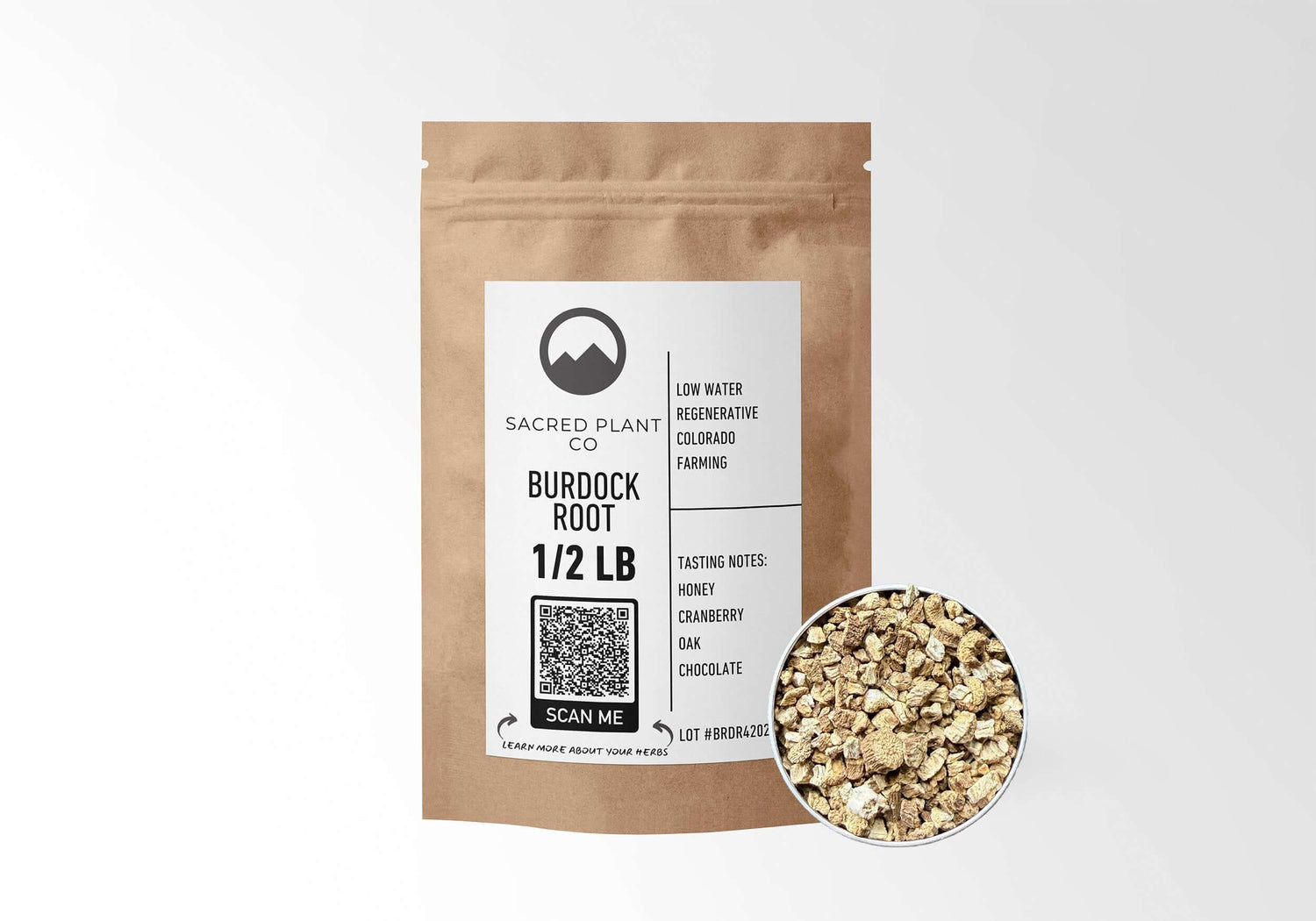
Burdock Root
Starting at $8.99
Premium cut and sifted burdock root, carefully selected and processed to preserve maximum therapeutic compounds for detoxification and wellness support.
Shop NowBlood Purification and Lymphatic Support
Traditional medicine describes burdock as a "blood purifier" or "alterative"—terms that reflect its ability to support the body's natural detoxification processes. Modern research confirms that burdock root facilitates the removal of metabolic waste products and toxins from the bloodstream through enhanced kidney and lymphatic function.
The inulin content plays a significant role here. As a soluble fiber, inulin binds to certain toxins in the digestive tract, preventing their reabsorption and promoting their elimination. Additionally, burdock's mild diuretic properties support kidney function without the harsh effects of pharmaceutical diuretics, promoting gentle fluid balance and waste removal8.
Lymphatic system support represents another crucial aspect of burdock's detoxifying action. The lymphatic system removes cellular waste, excess fluid, and toxins from tissues. Burdock's anti-inflammatory compounds help reduce lymphatic congestion and swelling, particularly beneficial for those experiencing edema or lymphatic stagnation.
Skin Health: From Acne to Eczema

Perhaps no use of burdock root is more celebrated than its application for skin conditions. Traditional Chinese Medicine and European herbalism both employed burdock topically and internally for acne, eczema, psoriasis, and various inflammatory skin conditions. Contemporary research validates these traditional uses.
A clinical study on acne vulgaris found that participants taking burdock root supplements experienced significant improvements in skin clarity, with reduced breakout frequency and enhanced overall skin quality9. The mechanisms involve burdock's antimicrobial properties (active against both gram-positive and gram-negative bacteria), anti-inflammatory effects that reduce redness and swelling, and blood-purifying actions that address internal imbalances manifesting as skin problems.
The phenolic acids in burdock—particularly chlorogenic acid and caffeic acid—inhibit inflammatory mediators and reduce oxidative stress in skin cells. Quercetin and luteolin, two flavonoids abundant in burdock, stabilize mast cells and reduce histamine release, explaining burdock's traditional use for allergic skin reactions and eczema10.
For topical applications, burdock's mucilaginous quality (from inulin) provides moisturizing and soothing effects, while its antibacterial constituents work directly on skin surface bacteria. Many herbalists combine internal consumption with topical applications for optimal results in chronic skin conditions.
Digestive Health and Prebiotic Benefits
Burdock root stands as one of nature's richest sources of inulin, containing up to 45% inulin by dry weight—comparable to chicory root and Jerusalem artichoke. This makes burdock an exceptional prebiotic food that nourishes beneficial gut bacteria.
Inulin resists digestion in the upper gastrointestinal tract and reaches the colon intact, where gut bacteria ferment it into short-chain fatty acids (SCFAs), particularly butyrate. These SCFAs provide energy for colonocytes (colon cells), reduce intestinal inflammation, strengthen the gut barrier, and support immune function11.
Research demonstrates that inulin consumption increases populations of beneficial Bifidobacteria and Lactobacilli while decreasing potentially harmful bacteria. This shift in gut microbiome composition correlates with improved digestion, enhanced immune function, better mineral absorption (particularly calcium and magnesium), and reduced inflammation throughout the body12.
Beyond its prebiotic effects, burdock supports digestive function through mild bitter constituents that stimulate digestive secretions, including bile production. This choleretic action aids fat digestion and supports the liver's role in eliminating waste products through bile.
For those new to high-fiber herbs, it's worth noting that introducing burdock gradually allows the gut microbiome to adapt. Start with small amounts and increase over time to minimize temporary digestive adjustments like bloating or gas.
Blood Sugar Regulation and Metabolic Support
Emerging research points to burdock root's potential for supporting healthy blood sugar metabolism. Both animal and preliminary human studies suggest that burdock's inulin content and bioactive compounds may help regulate glucose levels and improve insulin sensitivity.
Inulin slows glucose absorption in the intestines, preventing rapid blood sugar spikes after meals. This "slow-release" carbohydrate effect makes inulin-rich foods valuable for those managing blood sugar concerns. Additionally, the production of SCFAs from inulin fermentation influences metabolic hormones that regulate appetite and glucose metabolism13.
Chlorogenic acid, one of burdock's primary polyphenolic compounds, demonstrates specific anti-diabetic properties. Research shows it inhibits glucose-6-phosphatase (an enzyme involved in glucose production) and enhances glucose uptake in cells, effectively improving both glucose production and utilization14. Animal studies indicate that burdock extracts reduce fasting blood glucose, improve glucose tolerance tests, and decrease diabetic complications including retinopathy.
The lignan arctigenin also shows promise for metabolic health. Studies suggest it activates AMPK (AMP-activated protein kinase), often called the body's "metabolic master switch," which improves insulin sensitivity, enhances fatty acid oxidation, and reduces inflammation associated with metabolic syndrome.
Anti-Inflammatory and Antioxidant Properties
Chronic inflammation underlies numerous health conditions, from arthritis to cardiovascular disease. Burdock root's impressive anti-inflammatory profile makes it valuable for addressing inflammatory conditions throughout the body.
Multiple bioactive compounds contribute to burdock's anti-inflammatory effects. Quercetin inhibits production of inflammatory prostaglandins and leukotrienes while stabilizing cell membranes. Chlorogenic acid suppresses inflammatory cytokines including TNF-α and IL-6. Arctigenin demonstrates COX-2 inhibitory activity (similar to pharmaceutical anti-inflammatories but without the side effects) and reduces NF-κB activation, a key inflammatory signaling pathway15.
Traditional use of burdock for arthritic conditions finds support in research showing reduced joint inflammation and improved mobility in animal models of arthritis. The combination of anti-inflammatory effects, antioxidant protection, and mild analgesic properties makes burdock a multi-faceted approach to inflammatory joint conditions.
Burdock's antioxidant capacity is substantial, with studies measuring high DPPH radical scavenging activity and significant total phenolic content. The synergistic action of multiple antioxidants (phenolic acids, flavonoids, lignans) provides broader protection against oxidative stress than isolated compounds16.
Preparation Methods and Traditional Recipes

Traditional Burdock Root Decoction
Ingredients:
- 1-2 tablespoons dried burdock root (or 3-4 tablespoons fresh, sliced root)
- 3 cups water
- Optional: honey, lemon, or ginger to taste
Instructions:
- Place burdock root in a saucepan with water
- Bring to a boil, then reduce heat to low simmer
- Cover and simmer for 20-30 minutes (decoction extracts deeper constituents than steeping)
- Strain through a fine mesh strainer
- Drink 1-2 cups daily
Traditional herbalists recommend taking burdock tea between meals for optimal absorption and to support its blood-purifying effects.

Liver-Loving Burdock and Dandelion Tea
This traditional combination enhances hepatic support and detoxification. Both roots work synergistically to support liver function, bile production, and elimination pathways.
Ingredients:
- 1 tablespoon dried burdock root
- 1 tablespoon dried dandelion root
- 1 teaspoon dried milk thistle seeds (optional, for additional liver support)
- 4 cups water
Instructions:
- Combine all herbs in a saucepan with water
- Bring to a boil, reduce to simmer, cover
- Simmer 25-30 minutes
- Strain and drink 2-3 cups daily
This blend supports comprehensive detoxification and is traditionally used in spring cleansing protocols. Consider incorporating this tea into a structured liver support program like our 21-Day Liver Reset Protocol for optimal results.

Burdock Root Hair and Scalp Rinse
Traditional use of burdock for hair health stems from its ability to nourish the scalp, reduce inflammation, and support healthy hair follicles.
Ingredients:
- 3 tablespoons dried burdock root
- 4 cups water
- 5-10 drops rosemary essential oil (optional, for additional scalp stimulation)
Instructions:
- Simmer burdock root in water for 20 minutes
- Remove from heat and let steep until cool
- Strain thoroughly and add essential oil if desired
- After shampooing, pour rinse over scalp and hair
- Massage into scalp for 2-3 minutes
- Either rinse out or leave in (for those with dry scalp)
Use 2-3 times weekly for optimal results. Store remaining rinse in refrigerator for up to 5 days.

Burdock Root Culinary Preparations
Fresh burdock root (gobo) is a culinary staple in Japanese cuisine and can be incorporated into everyday cooking:
Kinpira Gobo (Japanese Burdock Stir-Fry):
- Julienne fresh burdock root and soak in water with vinegar (prevents oxidation)
- Stir-fry with sesame oil, soy sauce, mirin, and chili flakes
- Add julienned carrots for color and additional nutrition
- Serve as a side dish rich in fiber and minerals
Burdock Root Soup:
- Add sliced burdock root to vegetable or bone broths
- Combine with other root vegetables (carrots, parsnips, turnips)
- Simmer until tender (30-40 minutes)
- The mild, earthy flavor pairs well with miso or herbs like thyme
Dosage Guidelines and Administration
Traditional and clinical dosing of burdock varies based on form and intended use:
Dried Root (Tea/Decoction): 2-6 grams of dried root per day, typically divided into 2-3 doses. Prepare as decoction by simmering 1-2 teaspoons per cup of water for 20-30 minutes.
Fresh Root (Culinary): 30-60 grams daily when used as food. Fresh root can be eaten raw (thinly sliced in salads), steamed, stir-fried, or added to soups.
Tincture (1:5, 25% alcohol): 2-4 ml (40-80 drops) three times daily. Tinctures provide concentrated constituents and allow for precise dosing.
For specific conditions:
- Liver support/detoxification: Higher end of dosing range, taken consistently for 3-6 weeks, ideally as part of a comprehensive protocol
- Skin conditions: Moderate doses taken over 2-3 months, often combined with topical applications
- Digestive support: Moderate doses taken before or with meals
- Blood sugar support: Consistent daily dosing, monitor blood glucose if diabetic or on glucose-lowering medications
Traditional practice often recommends taking burdock between meals for detoxification purposes, though those using it primarily for digestive support may prefer taking it with food.
⚠️ Safety Considerations and Contraindications
Generally Recognized as Safe: Burdock root has a long history of safe use both as food and medicine. However, certain precautions apply:
Pregnancy and Lactation: Traditional herbalism suggests avoiding medicinal doses during pregnancy due to potential uterine stimulating effects, though culinary amounts are generally considered safe. Insufficient data exists for lactation; consult with a qualified healthcare provider.
Allergies: Those with allergies to plants in the Asteraceae family (ragweed, chrysanthemums, marigolds, daisies) should use burdock cautiously as cross-reactivity may occur. Discontinue use if allergic symptoms develop.
Diabetes Medications: Burdock may lower blood sugar. Those taking insulin or oral hypoglycemic medications should monitor blood glucose closely and work with healthcare providers to adjust medication as needed.
Diuretic Medications: Burdock's mild diuretic effects may compound with pharmaceutical diuretics, potentially causing excessive fluid loss or electrolyte imbalances. Monitor hydration status and consider potassium levels.
Anticoagulants: Some sources suggest theoretical interaction with blood-thinning medications due to vitamin K content. While clinical significance remains unclear, those on warfarin or similar medications should consult healthcare providers.
Surgery: Due to potential blood sugar effects, discontinue burdock use at least 2 weeks before scheduled surgery.
Wild Harvesting Caution: Burdock closely resembles belladonna (Atropa belladonna) and foxglove (Digitalis) in early growth stages—both highly toxic plants. Only harvest wild burdock if you have expert identification skills, or source from reputable suppliers.
Initial Digestive Adjustment: High inulin content may cause temporary bloating or gas in those unaccustomed to prebiotic fibers. Start with small amounts and gradually increase to allow gut microbiome adaptation.
Quality Assurance: Certificate of Analysis
At Sacred Plant Co, transparency about quality forms the foundation of our commitment to regenerative herbalism. We provide Certificates of Analysis (COA) for our botanical products, documenting:
- Microbial Testing: Screening for harmful bacteria, mold, and yeast to ensure safety
- Heavy Metal Analysis: Testing for lead, cadmium, mercury, and arsenic—particularly important for root herbs that may accumulate soil contaminants
- Identity Verification: Confirming the botanical material matches labeled species
- Foreign Matter: Visual and metal detection
This level of testing reflects our understanding that medicinal herbs are only as good as the soils and systems from which they come. Quality assurance begins in the field with regenerative practices and continues through careful processing and storage.
Burdock in Traditional Medicine Systems
Traditional Chinese Medicine (TCM)
In TCM, burdock root (known as niúbàng or niúbàng zǐ for the seeds) is classified as a cooling herb that clears heat and toxins. It's particularly valued for:
- Clearing wind-heat: Used for colds, flu, and respiratory infections with heat signs (fever, sore throat)
- Resolving toxins: Applied to skin eruptions, abscesses, and inflammatory conditions
- Promoting urination: Supporting kidney function and reducing edema
- Moistening intestines: Addressing constipation, particularly in those with internal heat
TCM energetics describe burdock as bitter and cold, entering the Lung and Stomach meridians. This makes it particularly suitable for those with excess heat patterns or toxic accumulations manifesting as skin problems or lymphatic swelling.
Western Herbalism
European and American herbalism classify burdock as an alterative (blood purifier), diuretic, and mild laxative. Traditional Western uses emphasize:
- Chronic skin conditions: Especially those linked to internal toxicity or poor elimination
- Rheumatic complaints: Joint pain and stiffness associated with metabolic waste accumulation
- Lymphatic congestion: Swollen glands, sluggish lymph flow
- Liver support: Enhancing detoxification and bile production
Influential herbalists like Matthew Wood and Michael Moore emphasized burdock's role in constitutional treatment—addressing underlying patterns of toxicity rather than merely suppressing symptoms. This aligns with the regenerative philosophy of supporting the body's inherent capacity for renewal and restoration.
Japanese Kampo Medicine
Japanese traditional medicine incorporates burdock (gobo) both as food and medicine. Kampo formulas containing burdock address similar indications as TCM, though Japanese practice also emphasizes:
- Daily consumption of fresh root for general health maintenance
- Use in cancer support protocols (alongside conventional treatment)
- Applications for diabetic complications
- Integration into longevity and healthy aging regimens
Continue Your Herbal Education
Deepen your understanding of medicinal herbs and regenerative wellness with these related resources:
- The 21-Day Liver Reset Protocol: Herbs for Hepatic Regeneration – A comprehensive guide to supporting liver detoxification with burdock root, milk thistle, dandelion, and other hepatoprotective botanicals
- Navigating the Roots of Wellness: A Wild Exploration of Burdock Root – Discover the rich history and traditional applications of burdock across cultures
- Discover the Best Quality Burdock Root at Sacred Plant Co – Learn about our sourcing standards and what makes high-quality burdock root
Frequently Asked Questions
The Regenerative Connection: Soil Health and Plant Medicine
As we return full circle to where we began, the relationship between soil vitality and medicinal potency deserves deeper exploration. Burdock's effectiveness as a detoxifying herb isn't solely determined by its genetic makeup—it's profoundly influenced by the soil ecosystem in which it grows.
Research in agricultural systems demonstrates that plants grown in biologically diverse, nutrient-rich soils produce higher concentrations of secondary metabolites—the very compounds that give medicinal herbs their therapeutic properties. For burdock, this means more chlorogenic acid, higher polyphenol content, and enhanced lignan profiles when grown in healthy, regenerative systems versus depleted, chemically-dependent agriculture.
The soil microbiome plays a crucial role. Beneficial bacteria and mycorrhizal fungi form partnerships with plant roots, enhancing nutrient uptake and stimulating production of protective compounds. When burdock grows in soil with robust microbial communities, it must produce fewer defensive compounds against pathogens because beneficial microbes provide protection. Paradoxically, this allows the plant to channel resources toward producing the specific therapeutic compounds humans seek.
This understanding shifts how we think about herbal medicine quality. It's not enough to verify species identity and test for contaminants—we must also consider the agricultural system's ecological health. Regenerative practices that build soil organic matter, enhance microbial diversity, and create nutrient density produce medicinal herbs that better support human health.
At Sacred Plant Co, this philosophy guides our sourcing decisions. We prioritize partnerships with growers who understand that vital soil creates vital medicine, and we continuously work to increase the percentage of herbs we offer from demonstrably regenerative systems.
Conclusion: Burdock as Bridge Between Tradition and Science
Burdock root exemplifies how traditional herbal wisdom finds validation in modern research. What ancient healers described as "blood purification" and "clearing toxins," contemporary science recognizes as enhanced hepatic detoxification, improved lymphatic function, and reduced oxidative stress. What traditional practitioners observed as skin-clearing effects, researchers now understand as antimicrobial, anti-inflammatory, and barrier-supporting mechanisms.
This convergence of traditional knowledge and scientific investigation doesn't diminish either perspective—it enriches both. Traditional use provides time-tested observation of whole-plant effects in complex human systems. Scientific research elucidates mechanisms, identifies active constituents, and establishes safety parameters. Together, they create a more complete understanding than either could alone.
Burdock's therapeutic versatility—supporting liver detoxification, enhancing gut health, clearing skin conditions, regulating inflammation, and nourishing beneficial microbes—makes it a foundational herb for those seeking natural approaches to wellness. Its gentle yet effective action, combined with an excellent safety profile, allows for sustained use in chronic conditions where gradual restoration surpasses aggressive intervention.
As we navigate increasingly toxic environments and face growing challenges to metabolic health, herbs like burdock offer support rooted in millennia of traditional use and confirmed by modern research. By choosing quality sources grown in regenerative systems, we honor both the plant's therapeutic potential and the ecological relationships that make that potential possible.
References
- Ferracane R, Graziani G, Gallo M, et al. Metabolic profile of the bioactive compounds of burdock (Arctium lappa) seeds, roots and leaves. J Pharm Biomed Anal. 2010;51(2):399-404. doi:10.1016/j.jpba.2009.03.018
- Predes FS, Ruiz ALTG, Carvalho JE, et al. Antioxidative and in vitro antiproliferative activity of Arctium lappa root extracts. BMC Complement Altern Med. 2011;11:85. doi:10.1186/1472-6882-11-85
- Mahboubi M. Arctium Lappa and Management of Liver Functions to Detoxify the Bloodstream. Nat Prod J. 2021;11(5). doi:10.2174/2210315510999200727205254
- Lin SC, Lin CH, Lin CC, et al. Hepatoprotective effects of Arctium lappa Linne on liver injuries induced by chronic ethanol consumption and potentiated by carbon tetrachloride. J Biomed Sci. 2002;9(5):401-409. doi:10.1007/BF02256533
- Abdel-Rahman RF, Hessin AF, Abdelbaset M, et al. Use of Arctium lappa Extract Against Acetaminophen-Induced Hepatotoxicity in Rats. Curr Ther Res Clin Exp. 2015;77:73-78. doi:10.1016/j.curtheres.2015.05.001
- da Silva TC, de Paula Rogero M, Cesar TB, et al. Burdock (Arctium lappa L.) root attenuates preneoplastic lesion development in a diet and thioacetamide-induced model of steatohepatitis-associated hepatocarcinogenesis. Food Funct. 2020;11(5):4408-4420.
- Zhang Y, Wang M, Dong H, et al. Chlorogenic Acid from Burdock Roots Ameliorates Oleic Acid-Induced Steatosis in HepG2 Cells through AMPK/ACC/CPT-1 Pathway. Nutrients. 2023;15(21):4638. doi:10.3390/nu15214638
- Chan YS, Cheng LN, Wu JH, et al. A review of the pharmacological effects of Arctium lappa (burdock). Inflammopharmacology. 2011;19(5):245-254. doi:10.1007/s10787-010-0062-4
- Miglani A, Manchanda RK. Observational study of Arctium lappa in the treatment of acne vulgaris. Homeopathy. 2014;103(3):203-207. doi:10.1016/j.homp.2014.03.003
- Knipping K, van Esch BCAM, Wijering SC, et al. In Vitro and In Vivo Anti-Allergic Effects of Arctium lappa L. Int J Mol Sci. 2014;15(1):1411-1429. doi:10.3390/ijms15011411
- Lou Z, Wang H, Zhu S, et al. Antibacterial activity and mechanism of action of chlorogenic acid. J Food Sci. 2011;76(6):M398-M403. doi:10.1111/j.1750-3841.2011.02213.x
- Huazano-García A, Shin H, López MG. Modulation of gut microbiota of overweight mice by agavins and their association with body weight loss. Nutrients. 2020;12(11):3471. doi:10.3390/nu12113471
- Ahangarpour A, Heidari H, Oroojan AA, et al. Antidiabetic, hypolipidemic and hepatoprotective effects of Arctium lappa root's hydro-alcoholic extract on nicotinamide-streptozotocin induced type 2 model of diabetes in male mice. Avicenna J Phytomed. 2017;7(2):169-179.
- Ong KW, Hsu A, Tan BKH. Chlorogenic acid stimulates glucose transport in skeletal muscle via AMPK activation: a contributor to the beneficial effects of coffee on diabetes. PLoS One. 2012;7(3):e32718. doi:10.1371/journal.pone.0032718
- Zhao F, Wang L, Liu K. In vitro anti-inflammatory effects of arctigenin, a lignan from Arctium lappa L., through inhibition on iNOS pathway. J Ethnopharmacol. 2009;122(3):457-462. doi:10.1016/j.jep.2009.01.038
- Liu W, Wang J, Zhang Z, et al. In vitro and in vivo antioxidant activity of a fructan from the roots of Arctium lappa L. Int J Biol Macromol. 2014;65:446-453. doi:10.1016/j.ijbiomac.2014.01.062
Disclaimer: This information is for educational purposes only and has not been evaluated by the Food and Drug Administration. This article is not intended to diagnose, treat, cure, or prevent any disease. Always consult with a qualified healthcare practitioner before using herbal products, especially if you are pregnant, nursing, or on any medications.


