


Valerian Root (Valeriana officinalis): Nature's Sleep Medicine and Nervous System Ally
Embrace the restorative power of valerian root, scientifically known as Valeriana officinalis, a cornerstone in various traditional medicine systems cherished for its profound sedative and anxiolytic (anti-anxiety) properties. From ancient Greek physicians to World War I battlefield medicine, from Traditional Chinese Medicine to modern neuroscience, valerian has earned its reputation as one of humanity's most trusted allies for peaceful sleep and nervous system calm.
What You'll Learn in This Guide
- GABA mechanisms and how valerian modulates neurotransmitters for sleep and relaxation
- Historical applications from Hippocrates to World War I shell shock treatment
- Traditional Chinese Medicine perspectives on cooling liver heat and emotional balance
- Ayurvedic understanding of valerian's effects on Vata dosha and nervous agitation
- Scientific validation through modern sleep studies and clinical trials
- Preparation methods for teas, tinctures, and therapeutic baths
- Combination strategies with complementary nervine herbs for enhanced effects
- Safety considerations including medication interactions and contraindications
This unassuming perennial plant, with its clusters of small pink or white flowers and distinctively pungent root, has served humanity's need for restful sleep and emotional equilibrium across millennia and cultures. Today, valerian bridges ancient herbal wisdom with modern scientific understanding, offering a natural alternative to synthetic sleep aids without the risks of dependency or morning grogginess.
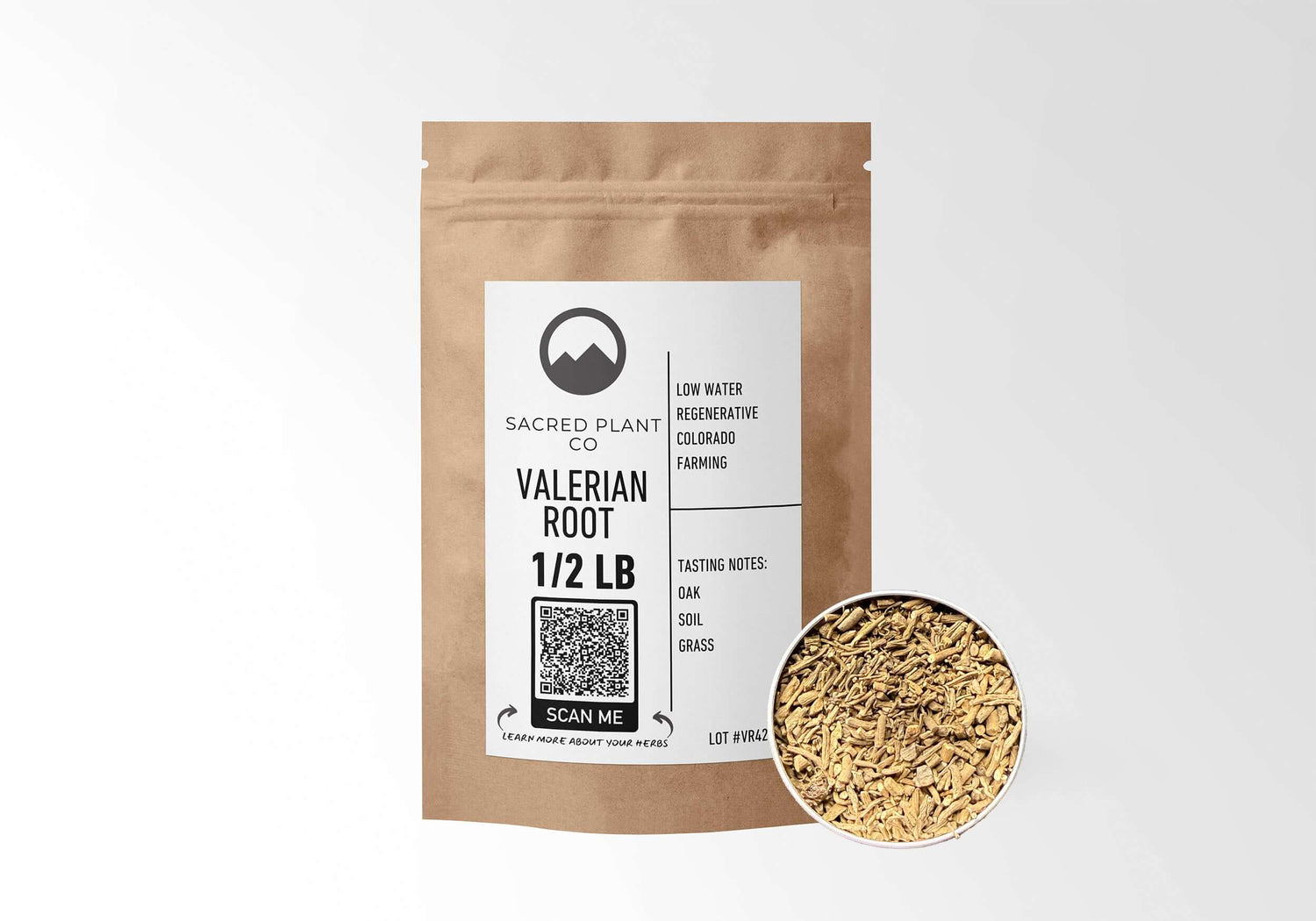
Premium Valerian Root (Valeriana officinalis)
Carefully harvested and dried valerian root, rich in valerenic acids and GABA-modulating compounds. Nature's answer to restful sleep and nervous system calm.
Explore Valerian RootThe Botanical Profile of Valerian

The therapeutic part is the root system, which develops a distinctive, pungent odor as it dries. This characteristic smell, often described as reminiscent of aged cheese or dirty socks, comes from isovaleric acid and other volatile compounds. While the scent challenges some people, it indicates the presence of the very compounds responsible for valerian's medicinal effects.
Chemically, valerian root is remarkably complex. The primary active constituents include valerenic acid and related sesquiterpenes, which appear to be primarily responsible for sedative effects. The root also contains volatile oils (including bornyl acetate and isovaleric acid), iridoid compounds called valepotriates (though these degrade during drying and storage), flavonoids, and various alkaloids.
This chemical complexity means valerian's effects likely result from synergistic interactions among multiple compounds rather than a single active ingredient. This is why whole herb preparations may work differently than isolated compounds, and why standardization to specific constituents (common in commercial extracts) may not capture valerian's full therapeutic potential.
Ancient Medicine: From Hippocrates to the Romans
Ancient Greeks and Romans used valerian extensively, recognizing its ability to promote sleep and relaxation. This practice was documented by some of medicine's most influential early practitioners.
Hippocratic Medicine
Hippocrates, the father of Western medicine (460-370 BCE), described valerian's therapeutic properties, particularly for nervous conditions and sleep disturbances. His writings influenced medical practice for centuries, establishing valerian as a legitimate medicinal plant in the Western canon.
The Hippocratic approach emphasized using the mildest effective remedies first, making valerian's gentle sedative action perfectly aligned with this philosophy. Rather than inducing unconsciousness like stronger substances, valerian facilitated natural sleep, working with the body's own mechanisms.
Galen's Contributions
The 2nd-century physician Galen expanded on valerian's applications, recommending it for insomnia, nervousness, and trembling. His systematic approach to herbal medicine helped codify valerian's uses and dosing, influencing European and Islamic medicine for over a millennium.
Galen recognized that valerian worked best for sleep difficulties rooted in nervous tension rather than physical discomfort or environmental factors. This distinction (recognizing that different causes of insomnia require different treatments) represents sophisticated medical thinking for the era.
Roman Military and Civilian Use
Roman physicians prescribed valerian for anxiety, palpitations, and digestive complaints related to nervous tension. The herb's Latin name Valeriana may derive from the Latin verb valere, meaning "to be strong or healthy," reflecting its reputation as a health-promoting herb.
Roman soldiers reportedly used valerian to calm nerves before battle and promote sleep during military campaigns. This military application would resurface dramatically during World War I, demonstrating valerian's enduring value in trauma and stress contexts.
Medieval and Renaissance European Herbalism
Throughout the Middle Ages and Renaissance, European herbalists continued valerian's therapeutic use, expanding applications and refining preparations.
Hildegard of Bingen
The 12th-century German abbess and herbalist Hildegard of Bingen included valerian in her medical texts, recommending it for sleep and as a tranquilizer for restlessness. Medieval monasteries cultivated valerian in their medicinal gardens, ensuring its availability for treating monastic communities.
Hildegard's holistic approach recognized that sleep disturbances often reflected imbalances in multiple body systems, and her formulas typically combined valerian with other herbs addressing complementary aspects of health.
Renaissance Herbals
Renaissance herbalists including Nicholas Culpeper praised valerian's virtues. Culpeper's influential 17th-century herbal recommended valerian for nervous conditions, describing it as "under the influence of Mercury" in astrological medicine terms, indicating its effects on the nervous system and mental faculties.
By this period, valerian had become a common household remedy across Europe, used not just by physicians but by ordinary people managing everyday stress and sleep difficulties. This widespread familiarity ensured valerian's survival through changing medical fashions.
Valerian in Traditional Chinese Medicine
While not native to China, valerian was incorporated into Traditional Chinese Medicine (TCM) after introduction through trade routes, developing unique theoretical understandings within TCM frameworks.
Energetic Properties
In TCM, valerian is valued for its ability to cool the liver and reduce "heart heat," a term denoting emotional unrest or imbalance. This cooling action helps regulate the body's internal heat, stabilizing emotional and psychological disturbances.
The TCM understanding of "heat" extends beyond literal temperature to include states of agitation, restlessness, racing thoughts, and emotional volatility. Valerian's cooling quality addresses these manifestations, bringing the system back toward equilibrium.
Pattern Differentiation
TCM practitioners use valerian for patterns involving liver Qi stagnation with heat transformation, and for heart heat disturbing the spirit (Shen). These patterns manifest as insomnia with difficulty falling asleep, vivid or disturbing dreams, irritability, and anxiety.
By moderating these imbalances, valerian facilitates a profound, lasting sense of calm and well-being, making it valuable in TCM for stress management and mental clarity enhancement. This application underscores its integral role in promoting emotional equilibrium and maintaining mental health.
Combination Strategies
TCM rarely uses single herbs, preferring carefully balanced formulas. Valerian might be combined with herbs that nourish heart blood, anchor the spirit, or address other aspects of the overall pattern. This multi-herb approach aims for comprehensive treatment rather than just symptom suppression.
Ayurvedic Perspectives on Valerian
In Ayurveda, India's traditional holistic healing system, valerian is highly regarded for its sedative properties and its particular affinity for balancing Vata dosha.
Vata Pacification
Valerian's application in Ayurveda stems from its ability to stabilize Vata dosha, which governs movement and activity in body and mind. When Vata is in excess, it manifests as agitation, racing thoughts, insomnia, anxiety, and general restlessness.
Valerian's grounding, sedative properties directly counter Vata's light, mobile, erratic qualities. The herb's earthy taste and heavy, oily nature (in Ayurvedic terminology) make it ideal for calming excessive Vata energy.
Sleep Disorders and Nervous Anxiety
Ayurvedic practitioners use valerian as a key remedy for sleep disorders such as insomnia and for conditions related to nervous anxiety. The herb's calming effect on Vata helps restore balance and promote deep relaxation, enhancing mental serenity and overall emotional well-being.
In Ayurvedic understanding, sleep disturbances often indicate deeper imbalances that require comprehensive treatment. Valerian forms part of this comprehensive approach, addressing the nervous system directly while other herbs and practices address constitution, digestion, and lifestyle factors.
Preparation in Ayurveda
Ayurvedic preparations often combine valerian with ghee (clarified butter) or warm milk, which serve as anupanas (vehicles) that enhance absorption and direct the herb's effects. The warming, grounding qualities of these carriers complement valerian's properties while making it more palatable.
The Science of GABA and Valerian's Mechanisms
Modern scientific research supports traditional uses of valerian root, particularly highlighting its interaction with GABA neurotransmitters, which are essential for modulating nervous system activity.
Understanding GABA
GABA (gamma-aminobutyric acid) is the brain's primary inhibitory neurotransmitter. It reduces neuronal excitability, essentially acting as the nervous system's "brake pedal." When GABA binds to its receptors, it produces calming, anti-anxiety, and sedative effects.
Many pharmaceutical sedatives (benzodiazepines, barbiturates) work by enhancing GABA activity. However, these drugs carry risks of dependence, tolerance, and significant side effects. Valerian offers a gentler alternative by modulating GABA through different mechanisms.
Valerian's GABAergic Effects
Research suggests valerian influences GABA systems through multiple pathways. Valerenic acid appears to inhibit the enzyme that breaks down GABA, effectively increasing GABA concentrations in synapses. This allows endogenous (naturally produced) GABA to work longer and more effectively.
Some evidence suggests valerian compounds may also bind directly to GABA receptors, though with much lower affinity than pharmaceutical agents. This weaker binding may explain why valerian produces calming effects without the pronounced sedation, cognitive impairment, or addiction potential of benzodiazepines.
Additionally, valerian may influence GABA synthesis (production) and release, providing multiple points of intervention in the GABAergic system. This multi-modal action may contribute to valerian's effectiveness.
Sleep Architecture Studies
Clinical studies on valerian's effects on sleep have produced mixed but generally positive results. Several randomized controlled trials show valerian improves subjective sleep quality, reduces sleep latency (time to fall asleep), and enhances overall sleep satisfaction.
Polysomnographic studies (objective sleep monitoring) show valerian may increase slow-wave sleep (deep sleep) without significantly altering REM sleep architecture. This contrasts with many pharmaceutical sedatives, which suppress REM sleep and can leave users feeling unrested despite sleeping.
The mechanism appears to involve increased GABA levels in brain, mimicking the calming effects of pharmaceuticals but in a natural, gentle manner. This validates valerian's long-standing use in herbal medicine while providing scientific understanding of how it works.
Anxiety and Stress Research
Beyond sleep, studies have examined valerian for anxiety and stress. While results are more variable than for sleep, several trials show valerian reduces physiological stress markers and subjective anxiety levels in stressful situations.
The anxiolytic effects appear to require consistent use over several weeks, suggesting valerian may work better as a tonic for chronic stress rather than an acute anxiety intervention. This aligns with traditional use patterns emphasizing regular, sustained use during stressful periods.
Sleep & Nervous System Support: Explore comprehensive guides to valerian's applications and complementary herbs:
World War I and Shell Shock Treatment
Valerian's significance stretches from ancient medical applications to providing relief for World War I soldiers suffering from shell shock (now recognized as PTSD and combat stress reaction).
Battlefield Medicine
During World War I, the unprecedented trauma of trench warfare overwhelmed medical resources. Soldiers experienced severe anxiety, insomnia, tremors, and psychological breakdown. With pharmaceutical supplies limited and many treatments proving inadequate, military physicians turned to herbal medicines including valerian.
Valerian's calming properties provided relief for soldiers' shattered nerves without the pronounced impairment that would have been tactically problematic. The herb helped men sleep despite the constant thunder of artillery and manage anxiety in conditions of unrelenting stress.
Post-War Recognition
The effectiveness of valerian in wartime conditions renewed medical interest in the herb. If valerian could help soldiers cope with the extremes of combat trauma, it clearly had genuine therapeutic value for anxiety and sleep disorders in civilian populations.
This wartime validation contributed to valerian's continued presence in pharmacopeias and medical practice through the 20th century, even as synthetic pharmaceuticals began dominating medicine. Valerian proved that traditional plant medicines could hold their own against modern drugs for certain applications.
Practical Preparations and Applications
Valerian's versatility allows for multiple preparation methods, each with distinct advantages.

Restful Night's Tea Blend
This synergistic combination enhances valerian's effects while improving palatability.
Ingredients:
- 1 teaspoon dried valerian root
- 1 teaspoon chamomile flowers
- 1 teaspoon lavender flowers
- 1 teaspoon lemon balm leaves
- 2 cups water
- Honey to taste (optional)
Instructions:
- In a teapot, combine valerian root, chamomile, lavender, and lemon balm.
- Pour 2 cups of boiling water over the herbs and cover immediately.
- Steep for 15 minutes to fully extract valerian's compounds (longer steeping than most herbal teas).
- Strain the tea into cups.
- Add honey if desired to improve flavor.
- Drink 30-60 minutes before bedtime for best results.
Why Each Component Matters
Valerian root: Provides primary sedative action through GABA modulation. The valerenic acids and related compounds create the foundation for deep sleep support.
Chamomile: Adds complementary nervine effects through apigenin, a flavonoid that binds to benzodiazepine receptors. Chamomile also improves the blend's taste and adds gentle digestive support.
Lavender: Contributes aromatherapeutic benefits and additional anxiolytic compounds. The pleasant floral aroma helps mask valerian's pungent smell while providing its own calming effects.
Lemon balm: Enhances GABA activity through different mechanisms than valerian, providing synergistic effects. Lemon balm also lifts the mood and adds a pleasant citrus note to the flavor profile.
This combination addresses sleep from multiple angles: reducing nervous system activity (valerian), calming anxiety (all herbs), improving mood (lemon balm), and creating pleasant sensory experience that itself promotes relaxation.
Valerian Tincture
Alcohol extraction concentrates valerian's active compounds and allows for convenient, precise dosing.
Preparation:
- Fill a jar 1/2 full with chopped dried valerian root (or 2/3 full with fresh root).
- Cover completely with 80-100 proof alcohol (vodka or brandy work well).
- Cap tightly, label with herb name and date.
- Shake daily and store in a cool, dark place for 4-6 weeks.
- Strain through cheesecloth, squeezing to extract all liquid.
- Store in dark glass bottles (amber or cobalt) away from light and heat.
Dosage: Typical dose is 2-4 mL (about 40-80 drops or 1-2 dropperfuls) in water, taken 30-60 minutes before bed. Some people require higher doses (up to 5-6 mL), while others are sensitive to smaller amounts. Start with a lower dose and adjust based on response.
Tinctures may work faster than tea since alcohol facilitates absorption. The concentrated form also bypasses valerian's challenging taste, making it easier for those who find the tea unpalatable.
Valerian Bath
A valerian bath provides both topical and aromatherapeutic benefits while creating a relaxing ritual.
Method:
- Make a strong valerian infusion: steep 1/2 cup dried valerian root in 1 quart boiling water for 30 minutes.
- Strain and add the liquid to a warm bath.
- Alternatively, place 1/2 cup valerian root in a muslin bag and hang it from the faucet as the tub fills.
- Soak for 20-30 minutes, breathing deeply and relaxing completely.
- For enhanced effects, add Epsom salts (magnesium sulfate) and a few drops of lavender essential oil.
The warm water enhances muscle relaxation while valerian's compounds are absorbed through skin and inhaled as steam. This multi-route delivery provides comprehensive nervous system support.
Safety Considerations and Contraindications
While valerian has an excellent safety record when used appropriately, certain precautions are essential.
Contraindications
Pregnancy and nursing: Though highly regarded as a natural sleep aid, valerian should be avoided during pregnancy and breastfeeding. Insufficient research exists to confirm safety, and the herb's effects on uterine tissue and fetal development are unknown.
Liver disease: Some case reports (very rare) have associated valerian with liver toxicity, though causation is unclear. Those with liver disease or taking hepatotoxic medications should avoid valerian or use only under medical supervision with regular liver function monitoring.
Surgery: Discontinue valerian at least two weeks before scheduled surgery. The herb may potentiate anesthetic effects and could interfere with medications used during and after procedures.
Medication Interactions
Valerian may interact with various medications, particularly those affecting the central nervous system.
Sedatives and CNS depressants: Valerian may potentiate the effects of benzodiazepines, barbiturates, sleep medications, anti-anxiety drugs, and alcohol. This combination could cause excessive sedation, impaired coordination, or respiratory depression. Do not combine valerian with these substances without medical supervision.
Medications metabolized by the liver: Valerian may affect cytochrome P450 enzymes, potentially altering blood levels of various medications. Those taking drugs with narrow therapeutic windows should consult healthcare providers and pharmacists.
Antihistamines: Over-the-counter antihistamines with sedative properties (like diphenhydramine) may have enhanced effects when combined with valerian. Use caution with this combination.
Paradoxical Reactions
A small percentage of people (estimated 5-10%) experience paradoxical stimulation from valerian rather than sedation. Instead of feeling calm and sleepy, they become restless, anxious, or have difficulty sleeping. If you experience this reaction, discontinue valerian. This response appears to be idiosyncratic (individual-specific) and doesn't indicate anything wrong with the person or the herb.
Morning Effects
Most people do not experience hangover effects or morning grogginess with valerian, especially at appropriate doses. However, individual sensitivity varies. Start with lower doses and avoid driving or operating machinery until you understand how valerian affects you personally.
If morning grogginess occurs, reduce the dose or take valerian earlier in the evening. Some people find that valerian works better with consistent use over several days, with less sedation occurring after initial doses.
Duration of Use
Valerian is generally recommended for short to moderate-term use (2-4 weeks) during periods of sleep difficulty or heightened stress. While no evidence suggests serious problems with longer use, extended studies are limited.
Consider cycling valerian use (4 weeks on, 1-2 weeks off) or using it intermittently only when needed rather than as a permanent nightly routine. If sleep problems persist beyond a month, address underlying causes with healthcare providers rather than relying indefinitely on sleep aids (herbal or pharmaceutical).
Important Safety Information
This content is for educational purposes and does not constitute medical advice. Valerian root is not intended to diagnose, treat, cure, or prevent any disease. Do not use valerian during pregnancy or nursing. Valerian may interact with sedative medications, alcohol, and drugs metabolized by the liver. Those with liver disease should avoid valerian. Do not drive or operate machinery within 4-6 hours of taking valerian until you know how it affects you. Discontinue use two weeks before scheduled surgery. Some individuals experience paradoxical stimulation rather than sedation. If sleep problems persist beyond 3-4 weeks, consult healthcare providers to address underlying causes. Always consult qualified healthcare professionals before using valerian medicinally, especially if taking medications or managing health conditions.
Selecting and Storing Quality Valerian
The therapeutic value of valerian depends on quality sourcing and proper storage.
Quality Indicators
High-quality dried valerian root retains the characteristic strong, pungent odor (while unpleasant, this indicates preserved volatile compounds). The root pieces should be firm but not rock-hard, tan to dark brown in color. Avoid valerian that appears bleached, has no scent, or smells musty or moldy.
At Sacred Plant Co., we source valerian root carefully, selecting material that has been properly dried and stored to preserve therapeutic compounds. Each batch is screened before release for microbial contaminants, heavy metals, and identity and foreign matter.
Storage Best Practices
Complete Storage Guide: Learn professional techniques for buying, storing, and using bulk herbs to maximize freshness and potency: How to Buy, Store, and Use Herbs in Bulk.
Store dried valerian root in airtight glass containers away from light, heat, and moisture. The volatile oils and active compounds degrade when exposed to air, light, or high temperatures.
Properly stored valerian maintains potency for 12-18 months, though the distinctive odor may intensify over time (this is normal and doesn't indicate degradation). Label containers with contents and date to track freshness.
Some people store valerian in the refrigerator or freezer to extend shelf life, though this isn't necessary if kept in airtight containers in a cool, dark cupboard. If refrigerating, ensure the container is truly airtight to prevent moisture condensation when brought to room temperature.
Lab Test Results for Valerian Root
Every lot of our valerian root is laboratory tested before release, screened for microbial contaminants, heavy metals, and identity and foreign matter, and we publish the actual results for each lot below. Rather than ask you to request a report, we link the lab test results alongside each lot. New to reading a lab report? Start with our guide on how to read lab test results.
Lot VR5202 (manufactured 1/31/2025, retest 1/31/2028)
| Test | Method | Result | Release Limit | Status |
|---|---|---|---|---|
| Microbial | ||||
| Total Plate Count | Petrifilm AOAC 990.12 | 890 CFU/G | 10,000,000 CFU/G | Pass |
| Yeast | Petrifilm AOAC 2014.05 | 10 CFU/G | 10,000 CFU/G | Pass |
| Mold | Petrifilm AOAC 2014.05 | 20 CFU/G | 10,000 CFU/G | Pass |
| Total Coliform | Petrifilm AOAC 991.14 | <3 CFU/G | 1,000 CFU/G | Pass |
| E. Coli | Petrifilm AOAC 991.14 | <3 CFU/G | <3 CFU/G | Pass |
| Salmonella | BAX (PCR) AOAC 2013.02 | Negative/25g | Negative/25g | Pass |
| Heavy Metals | ||||
| Arsenic | AOAC 2015.01 | 0.11 PPM | 1 PPM | Pass |
| Cadmium | AOAC 2015.01 | 0.03 PPM | 1 PPM | Pass |
| Lead | AOAC 2015.01 | 0.4 PPM | 3 PPM | Pass |
| Mercury | AOAC 2015.01 | Not Detected | 1 PPM | Pass |
Material: Valerian root, cs, Organic, Valeriana officinalis, Cut and Sift approximately 1/4" cut. Sterilization: UNTREATED. No pesticides were used to grow this product. This product is free of any additives or preservatives. No solvents were used to produce this product, nor excipients. View the full lab test results for lot VR5202 (PDF).
Archived lot VR4202 — view the lab test results.
We publish the lab test results for every lot we test on our lab testing page.
The Living Tradition
Working with valerian connects us to an unbroken chain of healers spanning from Hippocratic Greece through medieval monasteries to World War I field hospitals to contemporary herbalism. When we brew valerian tea or take a tincture before bed, we participate in a practice refined across millennia of human experience with sleeplessness and anxiety.
The continuity of this tradition speaks to valerian's genuine effectiveness. Plants that don't work fall out of use. Valerian has persisted because it helps, generation after generation, culture after culture, through vastly different medical paradigms and understandings.
Consider keeping a sleep journal when working with valerian. Note the dose, time taken, sleep quality, morning state, and any other factors that might influence sleep. This mindful observation honors valerian as a teacher while helping you understand how it works with your unique constitution and circumstances.
Some people develop personal rituals around valerian use, creating an evening routine that signals to the nervous system that sleep approaches. The act of preparation itself becomes part of the medicine, a conscious transition from the day's activity to night's rest.
Embrace Nature's Calming Elixir
Valerian root is more than just a plant. It's a gentle invitation to a world of peaceful nights and relaxed days. Considered a herbal treasure, its roots run deep in history, leaving trails of contentment wherever they touch.
Today, valerian serves as a natural solution for contemporary stresses, seamlessly blending historical herbal practices with modern scientific validation. This enduring legacy highlights its widespread acceptance and efficacy in promoting tranquility and well-being, bridging cultural and philosophical divides in global health practices.
From ancient physicians to battlefield medics to modern herbalists, valerian has proven itself a reliable ally for humanity's universal need for restful sleep and nervous system balance. The scientific validation of traditional uses through GABA research demonstrates that our ancestors' observations were accurate, even if their explanatory models differed from modern neuroscience.
Make it a part of your life, and let the tranquility envelop you. Whether you seek occasional sleep support during stressful times, natural anxiety relief, or simply a gentle ally for nervous system health, valerian offers its gifts with time-tested reliability.
Welcome to the world of peaceful nights. Welcome to nature's gentle sedative. Welcome to valerian root, humanity's ancient companion through the challenges of sleeplessness and anxiety. May it serve you as faithfully as it has served countless generations before.


