


Last Updated: February 11, 2026
Herbs for Skin Care: Traditional Salves, Baths and Oils
 True medicinal potency begins underground; these neem trees thrive in fungal-dominated living soil, forcing the production of complex terpenes that sterile hydroponic environments simply cannot replicate.
At Sacred Plant Co, we view every healing plant through the lens of regenerative agriculture. While psoriasis presents as a challenge on the skin's surface, addressing it requires understanding that the potency of medicinal herbs begins in living soil. The compounds that reduce inflammation and support skin repair are secondary metabolites, chemical defenses plants produce when interacting with diverse soil microorganisms. Conventional agriculture, even when certified, often grows herbs in relatively sterile substrates, producing biomass without building the complex terpenes, flavonoids, and alkaloids that define true medicine.
This is why at I·M·POSSIBLE Farm, we practice Korean Natural Farming to cultivate extraordinary soil biology. Our methods have produced documented results, verified by independent Regen Ag Lab living soil metrics showing a 400% increase in microbial activity in a single growing season and a Haney Score of 25.4, surpassing even pristine forest soil. When herbs grow in such richly populated microbial communities, they synthesize higher concentrations of the active compounds your skin needs. For autoimmune conditions like psoriasis, this difference between depleted soil and living soil isn't just philosophical. It's medicinal.
Psoriasis is a chronic autoimmune skin condition characterized by red, scaly patches that can be itchy, painful, and deeply frustrating. It occurs when the immune system triggers rapid skin cell production, leading to cell buildup and persistent inflammation. While conventional treatments often rely on steroids or immunosuppressants with concerning side effects, herbal remedies offer a natural pathway to reduce inflammation, soothe irritated skin, and support the body's own healing mechanisms. By integrating the right herbs, both topically and internally, you can address the root causes rather than simply masking symptoms.
What You'll Learn
- How psoriasis develops as an autoimmune response and why inflammation matters
- Which herbs reduce redness, scaling, and immune overactivity most effectively
- The difference between topical applications and internal support for long-term relief
- How to identify truly potent herbs through sensory quality markers
- Preparation methods that preserve medicinal compounds while creating ritual
- Safety considerations, dosage guidelines, and when to seek professional support
- How liver health influences skin conditions and which herbs support detoxification
- Evidence-backed protocols combining multiple herbs for comprehensive skin healing
Understanding Psoriasis and Its Underlying Mechanisms
Definition and Root Causes
 Psoriasis isn't just dry skin—it's a systemic cytokine storm where immune signaling molecules like IL-17 trigger rapid keratinocyte proliferation, creating a self-perpetuating inflammatory cycle.
Psoriasis is a chronic autoimmune condition where the immune system accelerates skin cell turnover, causing cells to build up rapidly on the skin's surface. In healthy skin, cells regenerate approximately every 28 days. With psoriasis, this cycle shortens to just 3-4 days, creating thick, scaly patches known as plaques. The exact cause involves a complex interplay of genetic predisposition, immune dysfunction, and environmental triggers including stress, infections, skin injury, and certain medications.
Unlike simple skin irritation, psoriasis involves systemic inflammation driven by overactive T-cells and inflammatory cytokines, particularly interleukin-17 (IL-17) and tumor necrosis factor-alpha (TNF-α). These chemical messengers create a feedback loop: inflammation triggers more rapid cell production, which causes more inflammation. This is why addressing psoriasis requires both topical soothing and internal immune modulation.
Common Symptoms and Presentations
Plaque psoriasis is the most common form, affecting 80-90% of patients, and presents through several characteristic symptoms. Typical presentations include:
- Red patches of skin covered with silvery-white scales, most commonly appearing on elbows, knees, scalp, and lower back
- Persistent itching and soreness around affected areas, which can intensify during flare-ups
- Dry, cracked skin that may bleed or cause pain, especially at joint flexion points
- Nail changes including pitting, discoloration, thickening, or separation from the nail bed
- Joint pain and stiffness in approximately 30% of cases (psoriatic arthritis), affecting fingers, toes, and spine
The condition fluctuates between periods of remission and flare-ups, often triggered by stress, weather changes, infections, or certain foods. Understanding these patterns helps identify which herbal approaches will provide the most benefit at different stages.
Why Choose Herbal Remedies for Psoriasis Management
The Limitations of Conventional Treatment
Conventional psoriasis treatments, while sometimes effective, carry significant drawbacks that lead many to seek herbal alternatives. Topical corticosteroids, the most commonly prescribed treatment, can thin skin with prolonged use, create rebound inflammation when discontinued, and lose effectiveness over time. Systemic immunosuppressants like methotrexate and cyclosporine burden the liver and kidneys, require regular blood monitoring, and increase infection risk by broadly suppressing immune function.
Newer biologic drugs targeting specific immune pathways show promise but cost thousands of dollars monthly, may lose potency with extended use, and carry uncertain long-term safety profiles. Many patients find themselves caught in cycles of temporary relief followed by worsening symptoms, searching for sustainable approaches that address root causes rather than suppressing surface manifestations.
The Herbal Medicine Advantage
Herbal remedies offer multi-targeted support without the harsh side effects of pharmaceutical interventions, working with the body's natural healing processes rather than against them. Unlike synthetic drugs that often target single pathways, medicinal herbs contain complex arrays of compounds that address multiple aspects of psoriasis simultaneously: reducing inflammation, modulating immune response, supporting skin barrier function, and promoting healthy cell turnover.
Traditional medicine systems from Ayurveda to Traditional Chinese Medicine have successfully treated inflammatory skin conditions for millennia, and modern research increasingly validates their mechanisms. Anti-inflammatory compounds like curcumin in turmeric, berberine in Oregon grape, and azadirachtin in neem demonstrate measurable effects on the inflammatory cytokines driving psoriasis, while simultaneously supporting liver detoxification, improving gut health, and reducing oxidative stress throughout the body.1,2
Perhaps most importantly, herbs can be used long-term without diminishing returns or cumulative damage. They support the body's innate intelligence, gently guiding it back toward balance rather than forcing suppression of symptoms.
Key Herbs for Managing Psoriasis Symptoms
Turmeric: The Anti-Inflammatory Powerhouse
Turmeric (Curcuma longa) contains curcumin, a compound that has demonstrated significant efficacy in reducing psoriasis severity through multiple anti-inflammatory mechanisms. Clinical studies show curcumin inhibits the production of inflammatory cytokines IL-17, TNF-α, and IL-22, which are directly implicated in psoriasis pathology. One double-blind trial found that topical turmeric microemulsion significantly reduced erythema, scaling, and plaque thickness compared to placebo.3
Beyond topical application, oral curcumin appears to work systemically. A randomized controlled trial showed patients taking oral curcumin alongside topical steroids achieved greater PASI score reductions than those using steroids alone, while also demonstrating reduced IL-22 serum levels.4 The compound's ability to modulate immune T-cell proliferation and reduce oxidative stress in psoriatic lesions makes it a foundational herb for comprehensive psoriasis protocols.

Premium-quality dried Curcuma longa root powder rich in curcuminoids. Use in golden milk, curry blends, face masks, or capsules for anti-inflammatory support. Best absorbed with black pepper and healthy fats.
Shop TurmericNeem: The Ayurvedic Skin Healer
Neem (Azadirachta indica) possesses potent antimicrobial and anti-inflammatory properties that make it particularly effective for itchy, inflamed psoriatic lesions. This revered Ayurvedic herb contains compounds like nimbidin and azadirachtin that modulate immune response while simultaneously addressing secondary bacterial infections that can complicate psoriasis. Traditional practitioners have used neem leaf powder in topical pastes and internal teas for centuries to calm immune overactivity and soothe irritated skin.
Modern research supports these traditional uses. Neem demonstrates the ability to reduce pro-inflammatory cytokine production while supporting healthy keratinocyte function. Its antimicrobial action helps prevent the infections that can trigger psoriasis flares, while its bitter compounds support liver detoxification. Many herbalists combine neem with nettle in topical salves, a pairing that addresses both the immune dysfunction and microbial imbalance often present in chronic inflammatory skin conditions.

Finely milled Azadirachta indica leaves for face masks, topical pastes, or careful internal use. Traditionally used for immune support and skin conditions requiring both antimicrobial and anti-inflammatory action.
Shop NeemFor those seeking a ready-made topical solution that harnesses the neem and nettle synergy, our Ancient Wisdom salve combines these two powerhouse botanicals in a deeply nourishing base. Because psoriasis benefits from consistent topical application that both soothes active lesions and supports the skin's protective barrier, a pre-formulated salve eliminates the guesswork of DIY preparations while delivering concentrated botanical compounds directly where they're needed most. This formulation pairs particularly well with internal protocols like milk thistle for liver support, addressing psoriasis from both the outside in and the inside out.
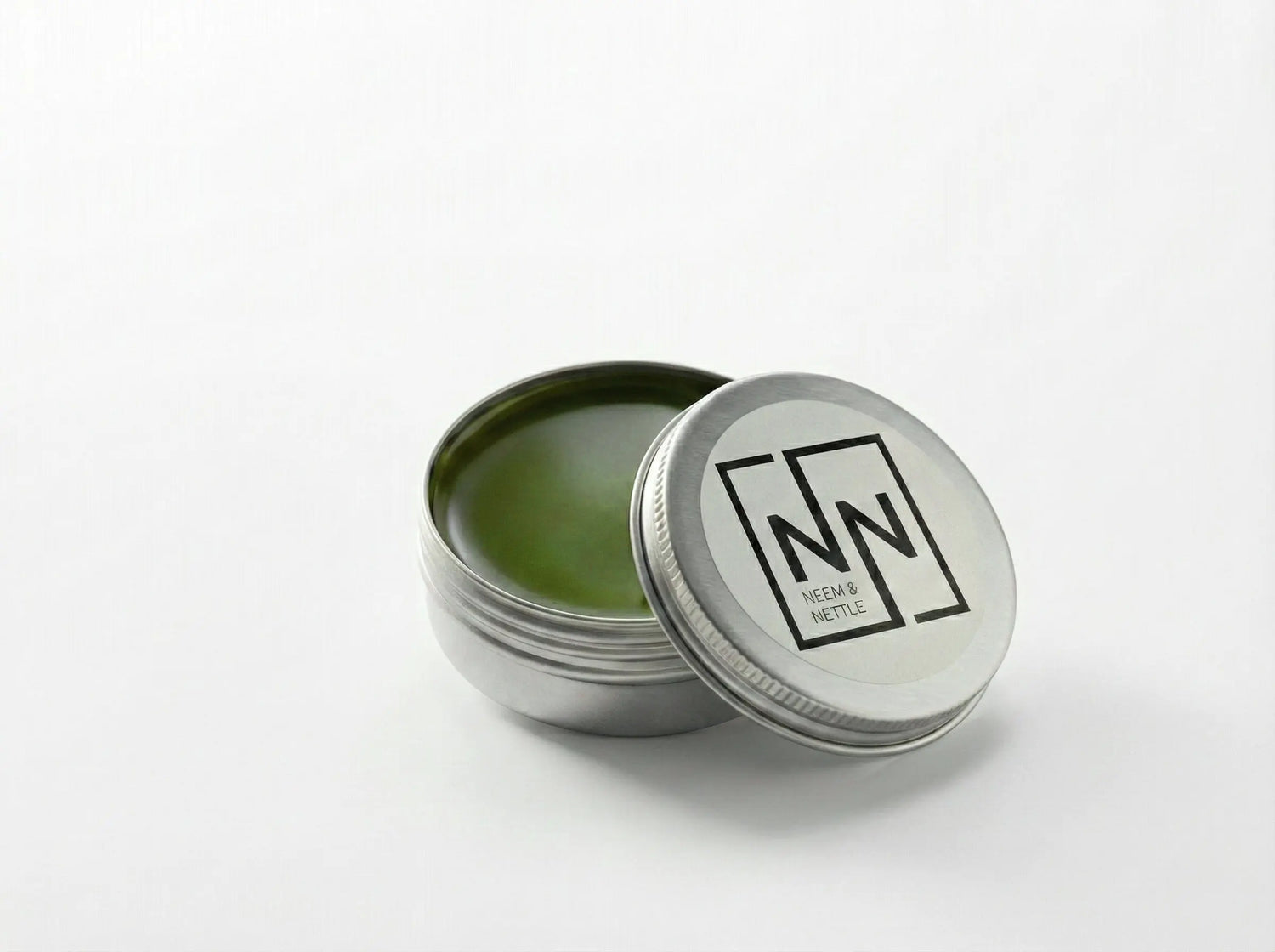
Ancient Wisdom intensive repair salve blending neem's antimicrobial potency with nettle's mineral-rich soothing action. A versatile daily moisturizer for psoriatic plaques, dry skin, eczema, and areas needing concentrated botanical repair.
Shop SalveCalendula: The Gentle Skin Soother
 We harvest calendula only when the sticky resin (the "medicine") is at its peak production, ensuring the presence of faradiol esters essential for repairing the compromised skin barrier found in psoriasis.
Calendula (Calendula officinalis) offers profound skin-soothing and wound-healing properties through its rich concentration of flavonoids, triterpenes, and essential oils. While less researched specifically for psoriasis than turmeric, calendula's documented effects on skin repair, inflammation reduction, and moisture retention make it invaluable for managing dry, cracked psoriatic plaques. The resin-rich calyxes at the base of whole calendula flowers contain concentrated healing compounds often lost when using petals alone.
Calendula works particularly well in oil infusions and salves applied topically to affected areas. Its gentle anti-inflammatory action reduces visible redness while supporting the skin barrier's integrity. Many find it especially helpful for scalp psoriasis when infused in oil and massaged into the scalp before shampooing. Unlike harsher treatments, calendula rarely causes sensitivity reactions, making it suitable for long-term use even on delicate or compromised skin.

Premium whole flower heads with resin-rich calyxes intact. Hand-harvested at solar peak, slow-cured to preserve bright color and aromatic profile. Ideal for oil infusions, salves, teas, and topical skin preparations.
Shop CalendulaMilk Thistle: The Liver-Skin Connection
Milk thistle (Silybum marianum) supports psoriasis management through its profound effects on liver detoxification, which directly influences skin health and inflammation levels throughout the body. The liver processes hormones, toxins, and inflammatory mediators. When liver function becomes compromised or overburdened, these compounds circulate longer in the bloodstream, perpetuating the inflammatory cascade that drives psoriasis.
Silymarin, milk thistle's active compound, stabilizes liver cell membranes, increases glutathione production (the body's master antioxidant), and supports the liver's Phase II detoxification pathways. Studies show silymarin can increase glutathione levels by up to 35%, enhancing the liver's capacity to process and eliminate the inflammatory compounds contributing to psoriasis.5 Traditional herbalists recognize that many chronic skin conditions improve when liver support is prioritized, making milk thistle a cornerstone of internal protocols for autoimmune skin disorders.

Whole Silybum marianum seeds rich in silymarin for liver protection and detoxification support. Crush fresh before use to preserve potency. Brew as tea, add to smoothies, or encapsulate for convenient daily liver support.
Shop Milk ThistleOregon Grape Root: The Berberine-Rich Ally
Oregon grape root (Mahonia aquifolium) contains berberine, an alkaloid that slows excessive skin cell proliferation, the hallmark of psoriatic plaques. Small clinical studies suggest topical Oregon grape preparations can reduce scaling and inflammation, though the research remains limited compared to turmeric. Berberine demonstrates antimicrobial activity and modulates several inflammatory pathways, making Oregon grape particularly valuable when psoriasis co-exists with fungal or bacterial skin issues.
Traditional Western herbalism employs Oregon grape as a "blood purifier" and liver stimulant, recognizing the connection between internal detoxification and external skin manifestations. Its bitter compounds stimulate bile flow, supporting the liver's elimination of processed toxins and hormones. Many practitioners combine Oregon grape with burdock root and dandelion for comprehensive detoxification support underlying chronic skin conditions.
Additional Supportive Herbs
Beyond the core herbs mentioned above, several other botanicals offer targeted support for different aspects of psoriasis management. Aloe vera gel provides immediate cooling relief for itching and irritation while promoting tissue repair. Boswellia (frankincense) contains boswellic acids that inhibit inflammatory enzymes similar to NSAIDs but without gastric side effects. Gotu kola (Centella asiatica) supports collagen formation and skin barrier restoration. Licorice root modulates immune function and reduces cortisol-driven inflammation that can trigger flares.
When selecting herbs for psoriasis, consider addressing multiple pathways: topical soothing (aloe, calendula), systemic inflammation (turmeric, boswellia), immune modulation (neem, licorice), and detoxification support (milk thistle, Oregon grape). This comprehensive approach typically produces better results than relying on any single herb alone.
How to Identify Premium Quality Herbs
The Sensory Quality Check
 Your nose knows potency: premium turmeric should release an immediate, warm, peppery punch of volatile oils, while a vibrant orange hue confirms the curcuminoids haven't been degraded by oxidative heat drying.
Premium medicinal herbs reveal their potency through specific sensory markers that indicate proper harvest timing, careful drying, and intact secondary metabolites. For turmeric powder, look for vibrant golden-orange color (not dull brown), aromatic warmth when freshly opened, and slight stickiness from volatile oils when rubbed between fingers. Turmeric that smells musty or lacks color has likely oxidized, losing much of its curcumin content.
Calendula flowers should display brilliant orange-yellow petals (not faded or brown) with intact, sticky resin on the green calyxes at the base. When you crush a flower, it should release a distinctive honey-herb aroma. Gray or brittle flowers indicate excessive heat during drying or age-related degradation. Neem leaf powder should be bright green (not khaki) with an intensely bitter taste and grassy-astringent aroma. Milk thistle seeds should be plump, mottled brown-gray, and release a subtle nutty-earthy scent when crushed.
These sensory qualities directly correlate with medicinal potency. Color comes from carotenoids and chlorophyll that protect delicate terpenes and alkaloids. Aroma indicates intact volatile oils. Texture reflects moisture content and cellular integrity. When herbs lose these qualities, they've often lost much of their therapeutic value, regardless of what the label claims. You can learn more about how to read our lab results to verify the quality of what you're purchasing.
Why Drying Methods Matter
How herbs are dried fundamentally determines whether medicinal compounds remain intact or degrade into inert plant matter. High-heat commercial drying (common in mass-market herbs) volatilizes essential oils, destroys heat-sensitive enzymes, and oxidizes delicate compounds like curcumin and chlorophyll. The result is herbs that look acceptable but deliver minimal therapeutic benefit.
Premium herbs require low-temperature drying (95-115°F maximum) in darkness or minimal light, with good air circulation to prevent mold while preserving color and aroma. This slow-cure method, though more expensive and time-consuming, locks in the complex aromatic profile and maintains the full spectrum of healing compounds. When you open a bag of properly dried calendula, turmeric, or neem, the scent should be vibrant and unmistakable, as if the fresh plant is present. If the herbs smell faint or musty, they've been compromised.
Preparation Methods and Dosage Guidelines
Topical Applications for Direct Relief
Topical herbal preparations deliver anti-inflammatory and skin-soothing compounds directly to psoriatic lesions, providing localized relief while minimizing systemic exposure. For immediate use, create a simple turmeric paste by mixing 1 teaspoon turmeric powder with enough water or aloe vera gel to form a spreadable consistency. Apply to affected areas, leave for 15-20 minutes (it will stain temporarily), then rinse. Some practitioners add a pinch of black pepper to enhance curcumin absorption through the skin.
For longer-term use, oil infusions provide superior results. To make calendula oil: fill a jar loosely with dried calendula flowers, cover completely with olive or jojoba oil, seal, and place in a warm sunny window for 2-4 weeks, shaking daily. Strain through cheesecloth and store in a dark bottle. This infused oil can be used directly on plaques or incorporated into salves by warming with beeswax (8 parts oil to 1 part beeswax by volume). Apply 2-3 times daily to affected areas, especially after bathing when skin is slightly damp to lock in moisture.
Neem leaf powder works well in face masks or body pastes. Mix 1-2 tablespoons powder with enough water or rose hydrosol to create a smooth paste. For enhanced benefits, add 1/2 teaspoon turmeric. Apply to psoriatic areas, leave for 10-15 minutes until nearly dry, then rinse with lukewarm water. The intense bitterness indicates active compounds are present. For a convenient ready-made option, our Neem & Nettle Salve combines these botanicals in a base designed for daily topical application, similar to the traditional neem and nettle salve formulations used for inflammatory skin conditions.
Internal Use: Teas and Decoctions
Internal herbal preparations address the systemic inflammation and immune dysfunction underlying psoriasis, working from within to reduce flare frequency and severity. For turmeric tea, combine 1/2-1 teaspoon fresh-ground turmeric powder with 8 oz hot water, a pinch of black pepper (increases curcumin absorption by up to 2000%), and a teaspoon of coconut oil or ghee (curcumin is fat-soluble). Simmer gently for 5 minutes, strain if desired, and sweeten with honey. Preferably enjoy with meals to enhance absorption.
Milk thistle seeds require crushing immediately before use to access silymarin. Using a mortar and pestle or spice grinder, crush 1 teaspoon seeds until broken open. Add to 8 oz boiling water, cover, and steep 15-20 minutes. Strain and drink. The taste is mildly bitter with sunflower-like notes. Milk thistle combines synergistically with dandelion root and burdock for comprehensive detoxification, supporting the elimination pathways that influence skin health. For deeper insight into this protocol, explore our guide on revitalizing liver function with herbal detox preparations.
Neem tea should be approached with caution due to its intense bitterness and potent immune-modulating effects. It is traditionally prepared with 1/4 to 1/2 teaspoon powder in hot water and is best kept to short-term rather than continuous use. Many find the bitterness more palatable when mixed with ginger and honey or combined with other herbs in formulas.
Tinctures for Concentrated Support
Alcohol-based tinctures provide concentrated extractions with superior bioavailability and long shelf life, making them ideal for consistent daily use. Oregon grape root tincture, available commercially or made at home using 1:5 dried root to alcohol ratio, delivers berberine efficiently. Standard dosage is 30-60 drops (1-2 ml) diluted in water, 2-3 times daily.
Turmeric tinctures often incorporate piperine (black pepper extract) for enhanced absorption. Look for products standardized to 95% curcuminoids or make your own using fresh turmeric root and high-proof alcohol. Unlike teas, tinctures maintain potency for years when stored properly (cool, dark location in amber glass).
Encapsulated Herbs for Convenience
When encapsulating your own herbs, use "00" size capsules and a capsule-filling machine for consistency. Turmeric powder fills easily but stains surfaces permanently. Mix with a small amount of black pepper before encapsulating. Milk thistle seeds must be ground immediately before use (silymarin oxidizes rapidly when exposed to air). Take capsules with fatty meals to enhance absorption of fat-soluble compounds.
Comprehensive Benefits for Skin Health
Reducing Inflammation and Redness
The primary therapeutic benefit of anti-psoriatic herbs stems from their ability to interrupt inflammatory cascades at multiple points, reducing the cytokine storms that drive plaque formation. Curcumin specifically inhibits NF-κB (nuclear factor kappa B), a protein complex that controls inflammatory gene expression. When activated excessively (as in psoriasis), NF-κB triggers production of IL-17, TNF-α, and other inflammatory mediators that perpetuate the disease cycle.
By downregulating this inflammatory signaling, turmeric and similar herbs reduce the redness, heat, and swelling characteristic of active psoriatic lesions. Studies show measurable reductions in inflammatory markers with consistent herbal use, translating to visible improvement in plaque severity. This anti-inflammatory action works systemically, addressing not just skin manifestations but the underlying immune dysfunction driving the condition.6
Soothing Itching and Discomfort
Persistent itching represents one of the most distressing aspects of psoriasis, and herbs offer multiple mechanisms to reduce this symptom beyond simple numbing. Calendula's triterpenes and flavonoids calm nerve endings while supporting skin barrier repair, addressing both the sensation of itching and its underlying causes. Aloe vera polysaccharides provide cooling hydration while reducing inflammatory mediators that trigger itch receptors.
Neem's antimicrobial properties prevent the secondary infections that can intensify itching, while its bitter compounds (nimbidol, gedunin) demonstrate antipruritic (anti-itch) effects through immune modulation. When itching drives scratching, which damages skin and perpetuates inflammation, breaking this cycle becomes crucial. Topical herbal applications interrupt the itch-scratch cycle while internal herbs address systemic inflammation.
Promoting Skin Healing and Barrier Function
Beyond reducing active inflammation, effective psoriasis herbs support the skin's regenerative capacity and restore its protective barrier function, which becomes compromised in diseased tissue. Calendula stimulates fibroblast proliferation and collagen synthesis, accelerating wound closure in cracked or bleeding plaques. Its resinous compounds form a protective film over damaged skin while allowing moisture to penetrate.
Turmeric's antioxidant properties protect healing tissue from oxidative damage while supporting healthy cell differentiation (helping skin cells mature properly rather than accumulating prematurely). The goal isn't merely to suppress symptoms but to help skin return to normal structure and function. This requires supporting the complex biological processes of tissue repair, a task herbs accomplish through their multi-compound, multi-target action.
Supporting Immune Balance
Psoriasis fundamentally involves immune dysregulation, and certain herbs demonstrate remarkable ability to modulate rather than suppress immune function, bringing overactive responses back toward balance. Unlike pharmaceutical immunosuppressants that broadly dampen all immune activity (increasing infection risk), herbs like neem and licorice appear to regulate specific immune pathways.
Neem modulates T-cell activity and reduces the production of inflammatory cytokines without eliminating necessary immune responses. This nuanced action allows the body to maintain defense against pathogens while reducing the autoimmune attack on skin cells. Many adaptogens used for autoimmune conditions work through similar mechanisms, helping the immune system find equilibrium rather than forcing it into submission.
Preparation Notes
 Effective management rarely relies on a single "magic bullet"—this synergistic protocol stacks liver support (internal) with barrier repair (external) to downregulate inflammation from both directions.
The Multi-Herb Approach
Most practitioners find that combining herbs addressing different aspects of psoriasis produces superior results compared to single-herb protocols. A comprehensive approach might include:
- Immune modulation (internal): Neem tea or capsules, 2-4 week cycles with breaks
- Topical soothing: Calendula oil or salve applied 2-3 times daily to active lesions
- Additional detoxification: Burdock or dandelion root tea for lymphatic and liver drainage
This multi-targeted strategy addresses inflammation, supports detoxification, modulates immune response, and provides direct skin relief. Start with smaller doses of each herb, gradually increasing over 2-3 weeks while monitoring for any adverse reactions. Many find that combining liver support with anti-inflammatory herbs produces synergistic benefits, as improved detoxification reduces the inflammatory load throughout the body.
Timing and Consistency
Herbal medicine works gradually, rebuilding healthy function rather than forcing acute symptom suppression, which means consistency over weeks to months determines success. Expect to commit to at least 8-12 weeks of consistent use before evaluating full effectiveness. Most people notice reduced itching and redness within 2-4 weeks, with more substantial improvements in plaque thickness and scaling requiring 2-3 months.
Take internal herbs with meals to enhance absorption and reduce potential digestive upset. Space different herbs throughout the day (milk thistle in morning, turmeric with lunch and dinner, neem in evening if using). Apply topicals after bathing when skin is slightly damp, and before bed for overnight absorption. Creating ritual around herbal preparation and use enhances compliance and allows you to tune into your body's responses.
Dietary and Lifestyle Integration
Herbal protocols work most effectively when supported by anti-inflammatory dietary choices and stress management practices, as psoriasis responds dramatically to holistic lifestyle modification. Focus on whole foods rich in omega-3 fatty acids (wild-caught fish, flaxseed), colorful vegetables providing antioxidants, and fermented foods supporting gut health. Reduce or eliminate known inflammatory triggers including refined sugars, excessive alcohol, processed foods, and individual allergens.
Stress management deserves particular attention, as psychological stress reliably triggers or worsens psoriasis flares through cortisol and inflammatory cytokine release. Practices like meditation, yoga, adequate sleep (7-9 hours nightly), and time in nature all demonstrate measurable effects on inflammation markers. Herbs support these efforts but cannot overcome consistently poor dietary choices or chronic unmanaged stress.
Safety Considerations and Contraindications
General Safety Guidelines
Herbal remedies for psoriasis are generally well-tolerated when used appropriately, but understanding contraindications and potential interactions ensures safe, effective use. Always start with lower doses than recommended maximums, particularly when combining multiple herbs or taking them alongside medications. Monitor for any adverse reactions during the first week, including digestive upset, headache, or skin sensitivity (with topicals).
Pregnant or nursing women should avoid most internal use of medicinal herbs without qualified practitioner guidance, as many herbs cross the placental barrier or enter breast milk. Turmeric as a culinary spice is safe, but therapeutic doses during pregnancy remain questionable. Neem particularly should be avoided during pregnancy due to traditional use as an abortifacient.
Specific Herb Precautions
Turmeric in therapeutic doses can increase bleeding risk when combined with anticoagulant medications (warfarin, aspirin, clopidogrel) or supplements (fish oil, vitamin E). It may also lower blood sugar, requiring monitoring in diabetics taking glucose-lowering medications. Turmeric stimulates bile production, so those with gallstones or bile duct obstruction should use cautiously under supervision. Some people experience mild digestive upset (nausea, diarrhea) with high doses; taking with food typically resolves this.
Milk thistle demonstrates an excellent safety profile in studies, but may cause mild laxative effects when first started. It can theoretically interact with medications metabolized by certain liver enzymes (CYP450 system), though clinical significance remains unclear. Those allergic to ragweed family plants may react to milk thistle. Start with smaller doses if you have ragweed sensitivity.
Neem requires more caution due to its potent bioactive compounds. Avoid long-term continuous use (cycle 2-4 weeks on, 2 weeks off). Neem can lower blood sugar and affect fertility in animal studies, though human data is limited. Never exceed recommended doses, as excessive amounts may cause nausea or liver stress. Those with autoimmune conditions should consult practitioners before using neem, as it modulates immune function.
Oregon grape root (berberine-containing herbs) should not be used during pregnancy and may interact with medications metabolized by liver enzymes. Berberine can interfere with bilirubin metabolism in infants, so avoid if nursing.
When to Seek Professional Support
While herbs offer powerful support for mild to moderate psoriasis, certain situations warrant professional medical evaluation. Seek immediate medical attention if psoriasis suddenly becomes widespread (erythrodermic psoriasis, covering >90% of body), if you develop fever, severe pain, or signs of infection (yellow crusting, pus, red streaking). These represent medical emergencies requiring urgent intervention.
Consult a qualified herbalist or integrative physician if you're taking multiple medications, as herb-drug interactions can occur. If psoriasis significantly impacts quality of life despite herbal protocols, or if joint pain develops (suggesting psoriatic arthritis), seek professional evaluation. Herbs work best as part of comprehensive care rather than as isolated treatment, particularly for severe presentations.
Storage and Preparation Best Practices
Maintaining Herb Potency
Proper storage directly determines how long herbs maintain therapeutic potency, with light, heat, oxygen, and moisture being the primary enemies of medicinal compounds. Store all dried herbs in airtight containers (glass jars with tight-fitting lids are ideal) in a cool, dark location. Avoid storing above stoves or in direct sunlight, as heat degrades volatile oils and oxidizes sensitive compounds.
Whole herbs (calendula flowers, milk thistle seeds) maintain potency longer than powdered forms, as intact plant material protects compounds from oxidation. If you purchase powdered turmeric or neem, transfer to amber glass jars and use within 6 months for maximum potency. Grind milk thistle seeds fresh before each use. Vacuum-seal larger quantities of herbs if storing for extended periods. For detailed storage guidelines, see our comprehensive guide on how to buy, store, and use herbs in bulk.
Label containers with purchase date and expected expiration. Most dried herbs maintain reasonable potency for 1 year when properly stored, though some (like turmeric) begin losing strength after 6 months. Trust your senses: if herbs no longer smell aromatic or have faded significantly in color, they've likely lost substantial medicinal value.
Preparation Hygiene
Clean preparation practices prevent contamination while preserving medicinal properties. Always wash hands before handling herbs. Use clean utensils and preparation surfaces. For topical applications, ensure oils and salves are made in sterile containers and stored in ways that prevent bacterial growth (adding vitamin E oil acts as a natural preservative).
When making teas, use filtered or spring water rather than chlorinated tap water, as chlorine can interact with sensitive plant compounds. For topicals containing water (like pastes), prepare fresh each time rather than storing, as bacteria and mold can develop quickly. Oil-based preparations last longer but should still be used within 6 months to a year for maximum freshness.
Frequently Asked Questions
Conclusion: A Regenerative Approach to Skin Healing
Managing psoriasis naturally requires patience, consistency, and a willingness to address not just symptoms but the deeper imbalances contributing to immune dysfunction and chronic inflammation. Herbal remedies offer a powerful, multi-faceted approach: reducing inflammatory cytokines, soothing irritated tissue, supporting detoxification pathways, and gently modulating immune responses back toward balance.
The herbs we've explored each bring unique strengths to psoriasis management. Turmeric's curcumin interrupts inflammatory signaling at cellular levels. Milk thistle's silymarin shields the liver while enhancing its capacity to clear inflammatory compounds. Neem modulates immune function without suppressing necessary defenses. Calendula soothes and repairs damaged skin while reducing visible redness. Oregon grape slows excessive cell proliferation. Together, these plants represent centuries of healing wisdom now validated by modern research.
At Sacred Plant Co, we believe the most potent medicine grows in living soil teeming with microbial diversity. The herbs we offer are more than dried plant matter. They're concentrated expressions of the relationship between soil biology and plant chemistry. When you invest in regeneratively grown herbs, you're choosing medicine that honors both the earth and your body's innate healing intelligence. You can see the science behind our methods and understand why regenerative agriculture produces genuinely different medicine.
Remember that psoriasis responds to holistic care. Herbs work best alongside anti-inflammatory nutrition, stress management, adequate sleep, and connection to nature. Be patient with yourself and the process. Healing deep patterns takes time. Track your progress through photos and symptom journals rather than expecting overnight transformation. Celebrate small victories: reduced itching, fewer new plaques, longer periods between flares.
If you're new to herbal medicine, start simply. Choose one or two herbs that resonate with you. Learn their tastes, smells, and effects on your body. Create rituals around preparation and use. Allow the medicine to work gradually, supporting your system's return to balance. And always, listen to your body's wisdom. It knows the path to healing.
Scientific References
- Zhang S, Wang J, Liu L, et al. Efficacy and safety of curcumin in psoriasis: preclinical and clinical evidence and possible mechanisms. Front Pharmacol. 2022;13:903160. https://pubmed.ncbi.nlm.nih.gov/36120325/
- Antiga E, Bonciolini V, Volpi W, Del Bianco E, Caproni M. Oral curcumin (Meriva) is effective as an adjuvant treatment and is able to reduce IL-22 serum levels in patients with psoriasis vulgaris. Biomed Res Int. 2015;2015:283634. https://pubmed.ncbi.nlm.nih.gov/26101770/
- Sarafian G, Afshar M, Mansouri P, et al. Topical turmeric microemulgel in the management of plaque psoriasis: a clinical evaluation. Iran J Pharm Res. 2015;14(3):865-876. https://pmc.ncbi.nlm.nih.gov/articles/PMC4518115/
- Antiga E, Bonciolini V, Volpi W, et al. Oral curcumin (Meriva) is effective as an adjuvant treatment and is able to reduce IL-22 serum levels in patients with psoriasis vulgaris. Biomed Res Int. 2015;2015:283634.
- Abenavoli L, Capasso R, Milic N, Capasso F. Milk thistle in liver diseases: past, present, future. Phytother Res. 2010;24(10):1423-1432.
- Skyvalidas DN, Mavropoulos A, Tsiogkas S, et al. Curcumin mediates attenuation of pro-inflammatory interferon γ and interleukin 17 cytokine responses in psoriatic disease, strengthening its role as a dietary immunosuppressant. Nutr Res. 2020;75:95-108. https://pubmed.ncbi.nlm.nih.gov/32114280/


