


Ayurvedic Lemon Balm for Stress Relief
Last Updated: January 13, 2026
 The medicinal potency of our lemon balm begins in the soil at our Fruita, CO farm, where regenerative practices boost phytochemical complexity.
The relationship between soil health and medicinal potency reveals itself most beautifully in lemon balm. At Sacred Plant Co, we approach this ancient nervine through the lens of regenerative agriculture, understanding that a plant's capacity to calm the nervous system is directly influenced by the vitality of the soil it grows in. When plants access diverse mineral profiles and microbial communities through living soil, they produce more complex phytochemical profiles. This isn't marketing speak. It's the fundamental biology that connects regenerative farming practices to therapeutic efficacy.
Lemon balm (Melissa officinalis) has served as humanity's botanical companion for stress relief across millennia. The same plant that Mediterranean monks cultivated in monastery gardens now grows in our regenerative systems at I·M·POSSIBLE Farm in Fruita, Colorado, where we witness firsthand how regenerative methods influence the aromatic intensity and medicinal properties of this calming herb.
What You'll Learn
- How lemon balm's bioactive compounds interact with your nervous system to reduce stress and anxiety
- Traditional applications from Ayurvedic and European herbal medicine systems
- Evidence-based research on lemon balm's effects on GABA neurotransmitters and the HPA axis
- Practical preparation methods including teas, tinctures, and topical applications
- Safety considerations, dosage guidelines, and potential interactions
- How to integrate lemon balm into daily wellness rituals for consistent stress management
Botanical Profile: Understanding Melissa officinalis
Lemon balm belongs to the Lamiaceae family, sharing kinship with mint, basil, and other aromatic medicinal plants. The genus name Melissa derives from the Greek word for honeybee, reflecting the plant's historical role as a preferred nectar source. This connection between pollinators and medicinal plants illustrates the ecological relationships that regenerative agriculture seeks to strengthen.
The plant produces distinctive lemon-scented leaves containing essential oils rich in citral, citronellal, and geraniol. These volatile compounds, along with polyphenols like rosmarinic acid, caffeic acid, and flavonoids, create the therapeutic profile that has made lemon balm valuable across cultures and centuries.
Traditional Uses Across Healing Systems
Ayurvedic Medicine
In Ayurvedic tradition, lemon balm is classified as having predominantly Sattvic qualities, promoting clarity, balance, and harmony. Ancient Vaidyas (Ayurvedic physicians) recognized the herb's capacity to calm Vata dosha imbalances, particularly those manifesting as anxiety, restlessness, and disturbed sleep patterns. The herb was incorporated into meditation practices and prescribed alongside pranayama (breath work) for individuals experiencing mental agitation.
Classical Ayurvedic texts describe lemon balm as a Medhya Rasayana, a category of herbs that enhance mental function and emotional stability. This traditional understanding aligns remarkably with modern research on the herb's effects on neurotransmitter systems.
European Herbal Traditions
Medieval European herbalists called lemon balm the "gladdening herb," prescribing it for melancholy and nervous conditions. Paracelsus, the Renaissance physician and alchemist, claimed lemon balm could completely revive a person and should be used for "all complaints supposed to proceed from a disordered state of the nervous system."
Carmelite monks in the 14th century created Carmelite water, an alcoholic preparation featuring lemon balm as the primary ingredient, used for nervous complaints and digestive distress. This remedy remained popular through the 18th century as both medicine and perfume.
The Science of Stress Relief
Neurotransmitter Modulation
Modern research has validated traditional uses through mechanistic studies. Lemon balm's primary anxiolytic effects appear to work through modulation of gamma-aminobutyric acid (GABA), the brain's principal inhibitory neurotransmitter1. The herb's rosmarinic acid content inhibits GABA transaminase, the enzyme responsible for breaking down GABA, effectively increasing GABA availability in neural tissue.
This mechanism explains lemon balm's ability to reduce anxiety without the sedation or dependency risks associated with pharmaceutical GABAergic drugs. The effect is gentle yet measurable, making lemon balm particularly valuable for daytime anxiety management.
HPA Axis Regulation
The hypothalamic-pituitary-adrenal (HPA) axis orchestrates the body's stress response. Chronic activation of this system contributes to anxiety, insomnia, and various stress-related conditions. Research indicates that lemon balm helps modulate HPA axis activity, promoting more balanced cortisol rhythms2.
In a randomized, placebo-controlled study, participants receiving lemon balm extract showed significantly reduced stress-induced cortisol responses compared to the placebo group, along with improved self-reported calmness and alertness.
Cognitive Function and Mood
Beyond anxiety reduction, clinical trials have demonstrated lemon balm's effects on cognitive performance and mood. A study published in Psychosomatic Medicine found that participants taking lemon balm showed improved accuracy on attention tasks along with increased calmness3. The herb appears to enhance cognitive processing while simultaneously reducing stress, a rare combination in natural medicines.
Preparation Methods and Practical Applications
Traditional Tea Infusion
Calming Lemon Balm Tea
 Proper preparation involves covering the vessel while steeping to ensure the therapeutic volatile oils remain in your cup, not the air.
Ingredients:
- 2 teaspoons dried lemon balm leaves (or 3 teaspoons fresh)
- 8 ounces hot water (not boiling, about 190°F)
- Optional: raw honey and fresh lemon to taste
Method: Place lemon balm in a covered vessel. Pour hot water over the herbs and steep for 10-15 minutes covered to retain volatile oils. Strain and enjoy warm. This preparation is ideal for evening relaxation or during stressful moments throughout the day.
Glycerite for Children and Sensitive Individuals
Alcohol-free glycerites provide an excellent option for those avoiding alcohol or preparing remedies for children. Combine fresh or dried lemon balm with food-grade vegetable glycerin in a 1:5 ratio (herb to liquid). Allow to macerate for 4-6 weeks, shaking daily. Strain and take 1-2 dropperfuls as needed.
Cold Infusion for Maximum Volatile Oils
Cold water extraction preserves heat-sensitive compounds. Place 4 tablespoons of dried lemon balm in a quart jar, fill with cool filtered water, and refrigerate overnight. This method produces a delicate, aromatic beverage rich in essential oils that might be damaged by heat.
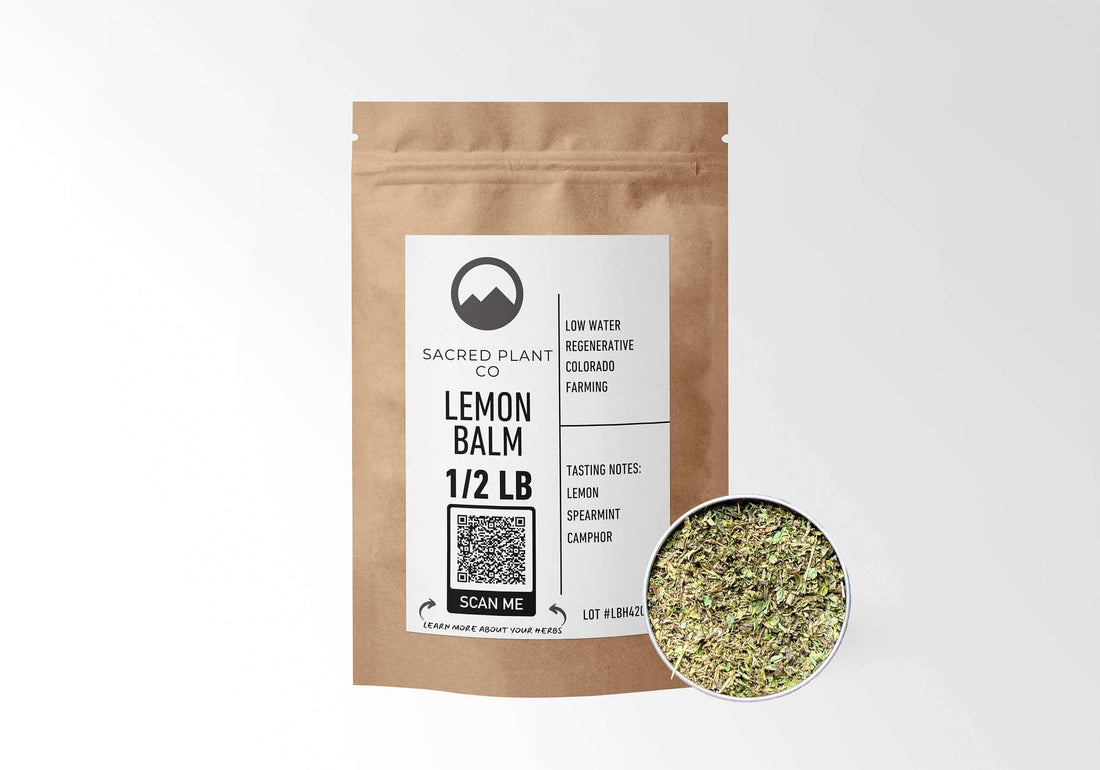
Lemon Balm Bulk - Premium Quality Dried Lemon Balm
Starting at $8.99
Caffeine-Free | Tasting Notes: Lemon, Spearmint, CamphorOur premium dried lemon balm offers exceptional quality for daily nervine support. Cut and sifted for optimal brewing, this versatile herb is ideal for teas, tinctures, and herbal preparations that support calm and relaxation.
Shop Lemon BalmDosage Guidelines
Traditional and clinical dosing ranges include:
- Dried leaf tea: 1.5-4.5 grams steeped in hot water, 1-3 times daily
- Tincture (1:5, 45% alcohol): 2-4 ml (40-80 drops), 2-3 times daily
- Fresh herb: 2-4 grams consumed as culinary herb or cold infusion
Individual responses vary. Start with lower doses and adjust based on personal experience. Effects typically manifest within 30-60 minutes and may strengthen with consistent use over 2-4 weeks.
Safety Considerations
Generally Safe but Note: Lemon balm is considered safe for most people when used appropriately. However, certain populations should exercise caution:
- Thyroid conditions: Lemon balm may inhibit thyroid hormone activity. Those with hypothyroidism or taking thyroid medications should consult healthcare providers before regular use.
- Sedative medications: May potentiate effects of CNS depressants including benzodiazepines, barbiturates, and sleep medications.
- Surgery: Discontinue use at least 2 weeks before scheduled surgery due to potential interactions with anesthesia.
- Pregnancy and lactation: While traditionally used, insufficient research exists regarding safety during pregnancy. Consult qualified practitioners.
- Glaucoma: Some evidence suggests possible intraocular pressure effects. Those with glaucoma should use cautiously.
Important Disclaimer: This information is for educational purposes only and is not intended to diagnose, treat, cure, or prevent any disease. Consult qualified healthcare practitioners before using herbs medicinally, especially if you have existing health conditions or take medications.
Quality Assurance: Our Certificate of Analysis
At Sacred Plant Co, we verify the purity and quality of our lemon balm through comprehensive laboratory testing. Our Certificates of Analysis report results for microbial contaminants, heavy metals, and identity and foreign matter.
We believe transparency in sourcing and testing is fundamental to regenerative herbalism. When you choose herbs grown and processed with integrity, you're not just supporting your own wellness but participating in agricultural practices that regenerate ecosystems.
View Our Certificates of Analysis We publish the signed Certificate of Analysis for every lot we test on our lab testing page.
Integrating Lemon Balm into Daily Wellness
 A structured approach to using lemon balm helps maintain consistent GABA levels and nervous system balance throughout the day.
Consistent use often produces more pronounced effects than sporadic application. Consider these integration strategies:
Morning ritual: Begin your day with lemon balm tea to set a calm foundation before stress accumulates. The herb's gentle effects support mental clarity without drowsiness.
Workday support: Keep a glycerite tincture at your desk for moments when stress levels rise. A dose taken during stressful meetings or deadline pressure can help maintain emotional equilibrium.
Evening wind-down: Lemon balm tea 30-60 minutes before bed supports the transition to rest. Combine with other nervine herbs like chamomile or passionflower for enhanced effects.
Topical applications: Lemon balm essential oil diluted in carrier oil can be applied to temples and wrists as an aromatherapeutic stress-relief tool. The scent alone has been shown to promote relaxation4.
For detailed guidance on herb storage and optimal preservation methods, see our comprehensive article on how to buy, store, and use herbs in bulk.
Frequently Asked Questions
Related Reading
Conclusion: Lemon Balm as Gateway to Regenerative Wellness
Lemon balm offers a compelling example of how traditional herbal wisdom aligns with modern neuroscience. The same mechanisms that medieval herbalists described as "gladdening" effects now have documented biochemical explanations involving GABA modulation and HPA axis regulation.
At Sacred Plant Co, we see lemon balm as more than an anxiolytic herb. It represents the potential of regenerative agriculture to produce medicines that support both human and ecological wellness. When you choose herbs grown through regenerative methods, you're participating in a larger shift toward agricultural systems that build rather than deplete.
The most effective stress management combines multiple modalities. Lemon balm works best alongside adequate sleep, regular movement, meaningful connection, and dietary choices that support nervous system health. Herbs are partners in wellness, not silver bullets, but partners chosen wisely can profoundly support your journey toward greater resilience and peace.
References
- Kennedy, D. O., Little, W., & Scholey, A. B. (2004). Attenuation of laboratory-induced stress in humans after acute administration of Melissa officinalis (Lemon Balm). Psychosomatic Medicine, 66(4), 607-613.
- Cases, J., Ibarra, A., Feuillère, N., Roller, M., & Sukkar, S. G. (2011). Pilot trial of Melissa officinalis L. leaf extract in the treatment of volunteers suffering from mild-to-moderate anxiety disorders and sleep disturbances. Mediterranean Journal of Nutrition and Metabolism, 4(3), 211-218.
- Kennedy, D. O., Wake, G., Savelev, S., Tildesley, N. T., Perry, E. K., Wesnes, K. A., & Scholey, A. B. (2003). Modulation of mood and cognitive performance following acute administration of single doses of Melissa officinalis (Lemon balm) with human CNS nicotinic and muscarinic receptor-binding properties. Neuropsychopharmacology, 28(10), 1871-1881.
- Hohmann, M. S., Longhi-Balbinot, D. T., Guazelli, C. F., Navarro, S. A., Zarpelon, A. C., Casagrande, R., & Verri, W. A. (2015). Melissa officinalis extract reduces inflammation and improves functional recovery after sciatic nerve crush. Muscle & Nerve, 51(5), 728-734.
- Shakeri, A., Sahebkar, A., & Javadi, B. (2016). Melissa officinalis L.: A review of its traditional uses, phytochemistry and pharmacology. Journal of Ethnopharmacology, 188, 204-228.


