


Last Updated: January 19, 2026
Unlock Ayurvedic Face Masks
 Visualizing potency: The vibrant hue of our formulation isn't artificial dye—it's the direct result of preserving chlorophyll and active terpenes through cold-processing and regenerative soil management.
At Sacred Plant Co, our approach to skincare is rooted in a regenerative philosophy that extends far beyond conventional beauty standards. While we practice regenerative agriculture at our I·M·POSSIBLE Farm in Fruita, Colorado, we view all herbalism, including Ayurvedic skincare, through the lens of soil health and ecological integrity. This perspective transforms how we understand the potency of topical botanicals.
The connection between soil vitality and plant medicine is profound. Plants grown in living, microbially active soil produce higher concentrations of secondary metabolites such as terpenes, flavonoids, and alkaloids. These compounds serve as natural defense mechanisms and are precisely what give medicinal herbs their therapeutic properties. When we prioritize regenerative sourcing, we're not just making an ethical choice, we're selecting ingredients with enhanced bioactive potential. Our commitment to transparent quality verification through Certificates of Analysis means the herbs in our formulations are screened for microbial contaminants, heavy metals, and identity and foreign matter.
This regenerative lens reveals why Ayurvedic face masks have remained relevant for thousands of years. These formulations harness the concentrated power of earth-grown ingredients, offering a holistic approach to nurturing and rejuvenating your skin that honors both ancient wisdom and modern ecological understanding.
What You'll Learn
- How regenerative agriculture principles enhance the potency of Ayurvedic skincare ingredients
- The science behind key Ayurvedic face mask ingredients: Neem, Bentonite Clay, Activated Charcoal, and Holy Basil
- Evidence-based benefits of Ayurvedic formulations for acne, inflammation, and skin detoxification
- How to identify premium quality clay and herbal powders through sensory evaluation
- Proper application techniques and frequency for optimal results
- Integration of Ayurvedic masks into a comprehensive holistic skincare routine
- Safety considerations and contraindications for different skin types
- The connection between soil health and the bioactive compounds in botanical skincare
The Ancient Science of Ayurvedic Skincare
Ayurveda, an ancient Indian healing system dating back over 5,000 years, offers profound insights into maintaining balance and harmony within the body and mind. This holistic philosophy extends naturally to skincare, where natural ingredients are revered for their healing and restorative properties. Unlike modern skincare that often focuses on superficial symptoms, Ayurveda addresses root causes by considering individual constitution (dosha), environmental factors, and the interconnection between internal health and external appearance.
The Ayurvedic approach recognizes three primary doshas: Vata (air and space), Pitta (fire and water), and Kapha (earth and water). Each person has a unique combination of these energies, and skin issues often arise from dosha imbalances. For instance, excess Pitta can manifest as inflammatory acne and redness, while Kapha imbalance may lead to congestion and dullness. Ayurvedic face masks are formulated to restore balance using botanicals that have been traditionally employed for specific skin concerns.1
In today's environment, where skin battles pollution, stress, and processed foods, these time-tested remedies offer a refreshing return to nature. Each ingredient in an Ayurvedic mask is carefully selected for its unique therapeutic properties, ensuring that every application nourishes the skin deeply and holistically. The wisdom lies not just in the ingredients themselves, but in understanding how they work synergistically to support skin health.
How to Identify Premium Ayurvedic Face Mask Ingredients
The quality of botanical ingredients directly impacts their therapeutic efficacy. Here's what to look for when evaluating Ayurvedic face mask components:
Bentonite Clay: Premium bentonite should have a smooth, fine texture without grittiness. The color ranges from pale grey to light green, never with brown or rust tones which indicate mineral contamination. When mixed with water, it should form a silky paste without lumps. High-quality clay has a neutral, earthy aroma, not musty or chemical. The powder should feel cool and smooth when rubbed between fingers.
Neem Powder: Look for a vibrant olive-green to sage color. Dull brown or yellowed neem indicates oxidation and diminished potency. Fresh neem powder has a distinctive bitter, slightly pungent aroma (not unpleasant, but characteristic). The texture should be uniformly fine, not clumpy. Quality neem maintains its color in storage and doesn't develop a stale odor over time.
Activated Charcoal: The finest activated charcoal is jet black with an incredibly light, airy texture. It should feel almost weightless and extremely fine when touched. There should be no smell at all; any odor suggests contamination or poor processing. When mixed, it should disperse easily without leaving hard particles.
Holy Basil (Tulsi) Powder: Premium Tulsi powder retains a grey-green color with visible fine plant particles. The aroma should be warm, slightly spicy, and aromatic (reminiscent of fresh basil with clove notes). Avoid powders that smell hay-like or lack fragrance entirely. The texture should be consistently fine without woody bits.
These sensory markers indicate proper harvesting timing, appropriate drying methods (low-temperature to preserve volatile compounds), and careful storage. When botanical ingredients are grown in healthy, living soil and processed with care, these quality indicators are naturally present.
The Power of Neem in Ayurvedic Skincare
Neem (Azadirachta indica) stands as one of Ayurveda's most valued botanicals for skin health, earning the Sanskrit name "Sarva Roga Nivarini" (the curer of all ailments). Modern research has validated many of neem's traditional applications, revealing a complex phytochemical profile that includes nimbidin, nimbin, nimbolide, and quercetin, compounds responsible for its remarkable therapeutic effects.2
The antibacterial properties of neem are particularly significant for acne management. Studies demonstrate that neem extracts exhibit strong activity against Propionibacterium acnes, the primary bacterial species implicated in inflammatory acne. Unlike conventional antibacterial agents that can disrupt the skin's microbiome, neem works selectively, targeting problematic bacteria while supporting overall skin ecology. Research published in the Journal of Ethnopharmacology confirms neem's effectiveness in reducing acne lesions and preventing new breakouts.3
Beyond its antimicrobial action, neem provides potent anti-inflammatory benefits. The compound nimbidin has been shown to suppress pro-inflammatory cytokines, making neem particularly valuable for conditions involving inflammation such as eczema, psoriasis, and rosacea. This anti-inflammatory action extends to post-inflammatory hyperpigmentation, where neem can help fade dark spots and even skin tone over time.
For those dealing with persistent skin issues, neem's ability to address both infection and inflammation simultaneously makes it a cornerstone of Ayurvedic face mask formulations. Because the key compounds support [natural approaches to skin healing](https://sacredplantco.com/blogs/natures-pharmacy-exploring-the-historical-uses-and-health-benefits-of-medicinal-herbs/neem-vs-turmeric-powder-for-acne), they pair exceptionally well with other anti-inflammatory botanicals like turmeric in comprehensive skincare protocols.
Bentonite Clay: Nature's Detoxifying Agent
Bentonite clay, formed from volcanic ash aged over millions of years, possesses a unique molecular structure that gives it exceptional absorptive and adsorptive properties. This distinction is important: absorption draws substances into the clay's structure, while adsorption causes molecules to adhere to the clay's surface. Together, these mechanisms make bentonite an extraordinarily effective agent for drawing out impurities from the skin.4
The clay's negative ionic charge attracts positively charged toxins, heavy metals, and excess sebum like a magnet. When applied to the skin, bentonite creates a gentle pulling effect that helps unclog pores, remove dead skin cells, and extract embedded impurities. This makes it particularly beneficial for oily and combination skin types that struggle with congestion and enlarged pores.
Research indicates that bentonite clay can help balance the skin's natural oil production rather than simply stripping oils away. A study in the International Journal of Cosmetic Science found that regular use of clay masks improved skin hydration levels while simultaneously reducing excess sebum, suggesting a regulating rather than depleting effect. This makes it suitable even for those with sensitive skin when used appropriately.5
The mineral composition of bentonite clay also contributes to skin health. It contains trace amounts of calcium, magnesium, silica, sodium, copper, iron, and potassium, minerals that support various skin functions. The silica content, in particular, promotes collagen production and skin elasticity. When formulating with bentonite, [pairing it with hydrating elements like rose hydrosol](https://sacredplantco.com/blogs/natures-pharmacy-exploring-the-historical-uses-and-health-benefits-of-medicinal-herbs/clay-masks-made-better-mixing-bentonite-with-rose-hydrosol-for-extra-calm) creates a balanced treatment that detoxifies without over-drying.
Activated Charcoal: Deep Pore Purification
Activated charcoal represents one of the most effective natural ingredients for deep cleansing and detoxification. Created by heating carbon-rich materials at high temperatures in the presence of gases, the activation process creates millions of tiny pores that dramatically increase the charcoal's surface area. A single gram of activated charcoal can have a surface area exceeding 3,000 square meters, providing extraordinary adsorptive capacity.
In skincare applications, activated charcoal excels at binding to and removing dirt, oil, bacteria, and environmental pollutants from deep within pores. This makes it particularly valuable for urban dwellers whose skin is regularly exposed to particulate matter and pollution. A study published in the Journal of Applied Sciences found that activated charcoal effectively removed various environmental contaminants from skin surfaces, including traces of heavy metals and synthetic chemicals.6
For acne-prone skin, activated charcoal offers several benefits. By removing pore-clogging debris and excess sebum, it helps prevent the formation of comedones (blackheads and whiteheads). The charcoal's ability to absorb bacteria may also help reduce acne-causing microbial populations on the skin's surface. Some users report that regular use of charcoal masks reduces the frequency and severity of breakouts.
It's worth noting that while activated charcoal is highly effective for purification, it should be used in balanced formulations. Pure charcoal can be drying if used too frequently. When combined with hydrating clays and soothing botanicals in an Ayurvedic formulation, the detoxifying benefits are optimized without compromising the skin's moisture barrier.
Holy Basil (Tulsi): The Sacred Skin Soother
Holy Basil, known as Tulsi in Sanskrit, holds sacred status in Ayurvedic medicine as an adaptogenic herb that supports stress resilience and promotes overall wellness. In skincare, Tulsi's benefits extend from its potent antioxidant, anti-inflammatory, and antimicrobial properties. The plant contains high concentrations of eugenol, ursolic acid, and rosmarinic acid, compounds that have been extensively studied for their skin-protective effects.7
The antioxidant capacity of Holy Basil is particularly impressive. Research demonstrates that Tulsi extracts neutralize free radicals more effectively than many synthetic antioxidants, offering significant protection against oxidative stress caused by UV radiation, pollution, and normal aging processes. This antioxidant activity helps prevent premature aging signs such as fine lines, wrinkles, and loss of elasticity.
For inflamed or irritated skin, Holy Basil provides gentle but effective relief. The compound eugenol has documented anti-inflammatory properties that can soothe redness, calm reactive skin, and reduce discomfort associated with various skin conditions. Studies published in the Journal of Ethnopharmacology confirm that Tulsi reduces inflammatory markers in skin tissue, making it valuable for conditions like acne, dermatitis, and sensitivity.8
Tulsi also demonstrates antimicrobial activity against several skin pathogens. While gentler than neem, it contributes to the overall antibacterial effect of Ayurvedic formulations. Additionally, Holy Basil is considered a rasayana herb in Ayurveda, meaning it promotes rejuvenation and longevity. This classification reflects its ability to support skin health at a fundamental level, encouraging cellular regeneration and resilience.
Application Techniques and Best Practices
The effectiveness of an Ayurvedic face mask depends not only on its ingredients but also on proper application technique and timing. To maximize benefits while respecting your skin's needs, follow these evidence-based guidelines.
 Fresh activation: We ship dry powder to avoid synthetic preservatives. Mixing with water or hydrosol at the moment of use ensures the clay's ionic charge and botanical antioxidants are at peak activity.
Preparation: Start with clean, slightly damp skin. Cleansing removes surface debris and makeup, while dampness helps the mask spread more evenly and prevents it from pulling or tugging. If using a powder formulation, mix with filtered water, rose water, or aloe vera gel to create a smooth paste. The consistency should be thick enough to stay in place but spreadable. Avoid making it too thin, as this reduces contact time with the skin.
Application: Use clean fingers or a soft brush to apply the mask in an even layer, avoiding the delicate eye area and lips. Work from the center of the face outward, using gentle upward strokes. This application direction follows the natural contours of facial muscles and may provide subtle lifting effects. Ensure complete coverage but avoid applying too thickly, as an excessively thick layer takes longer to dry and may crack or flake off prematurely.
Duration: Leave the mask on for 10 to 15 minutes maximum. As the mask dries, you'll feel a gentle tightening sensation, this is normal and indicates the ingredients are working. However, avoid letting the mask dry completely to the point of cracking, as this can be overly drying and may irritate sensitive skin. If you notice excessive dryness or discomfort, rinse off immediately.
Removal: Wet your hands and gently massage the mask in circular motions to rehydrate it before rinsing thoroughly with lukewarm water. This two-step removal process (rehydrate, then rinse) is gentler than trying to remove a dry mask directly. Follow with a splash of cool water to close pores, then pat dry with a clean towel.
Frequency: For most skin types, using an Ayurvedic face mask once or twice weekly provides optimal benefits. Oily or acne-prone skin may benefit from twice-weekly applications, while sensitive or dry skin should start with once weekly and adjust based on response. More frequent use is not necessarily better and may disrupt the skin's natural balance.
Post-Mask Care: After removing the mask, apply a hydrating toner or facial mist to restore pH balance, followed by a nourishing serum and moisturizer appropriate for your skin type. This post-mask skincare step is crucial, as the cleansed, receptive skin will absorb subsequent products more effectively.
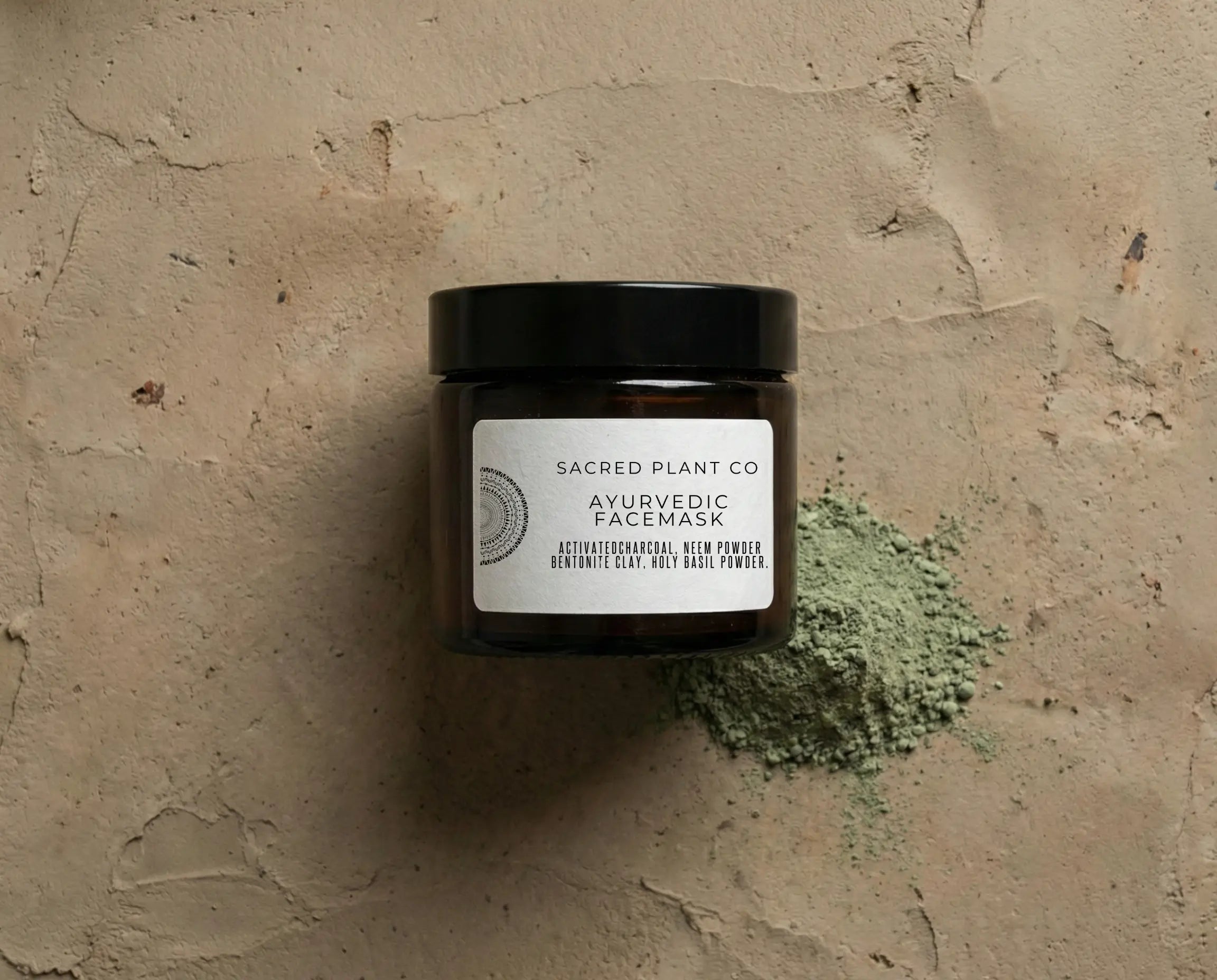
Ayurvedic Face Mask
Starting at $19.99
Our Ayurvedic Face Mask combines the time-tested wisdom of ancient skincare with a regenerative sourcing philosophy. This authentic formulation features Neem, Bentonite Clay, Activated Charcoal, and Holy Basil, working synergistically to detoxify, purify, and balance your skin naturally.
Shop Ayurvedic Face MaskUnderstanding Skin Types and Dosha Balance
Ayurveda teaches that effective skincare requires understanding your unique constitution and current state of balance. Each dosha manifests differently in the skin, and recognizing these patterns allows for more targeted and effective treatment.
Vata Skin: Characterized by dryness, delicacy, and tendency toward premature aging. Vata skin may show fine lines early, feel rough or flaky, and react to cold, dry weather. For Vata-dominant skin, Ayurvedic masks should be used less frequently (every 7 to 10 days) and followed immediately with rich, nourishing oils. Adding a few drops of sesame or almond oil to the mask mixture can make it more suitable for Vata skin.
Pitta Skin: Typically sensitive, prone to redness, inflammation, and heat-related breakouts. Pitta skin may flush easily, develop rosacea or inflammatory acne, and react to spicy foods or stress. Cooling ingredients in Ayurvedic masks are particularly beneficial for Pitta types. Using rose water instead of plain water to mix the mask adds cooling properties. Pitta skin generally tolerates weekly applications well.
Kapha Skin: Often oily, thick, with large pores and tendency toward congestion. While Kapha skin ages more slowly, it's prone to blackheads, whiteheads, and cystic acne. This skin type benefits most from regular clay mask applications (twice weekly). Kapha skin can handle more frequent detoxification and responds well to stimulating massage during application.
Most people have a combination of dosha influences, and skin characteristics may shift with seasons, stress levels, and life stages. Observing how your skin responds to treatments provides valuable feedback for adjusting your routine. The goal is not to categorize yourself rigidly but to understand your skin's tendencies and needs.
Our Commitment to Transparency & Quality
At Sacred Plant Co, we believe you deserve to know exactly what you're putting on your skin. While this product's Certificate of Analysis is available upon request, we encourage all our customers to understand how to read and interpret lab testing results.
Learn more about our testing standards and how to read a Certificate of Analysis to make informed decisions about your skincare products. Every herb we sell is tested before release, and we publish the signed Certificate of Analysis for every lot we test on our lab testing page.Safety Considerations and Contraindications
Important Safety Information
Before using any new skincare product, including Ayurvedic face masks, conduct a patch test to check for sensitivity. Apply a small amount of the mixed mask to the inside of your wrist or behind your ear, leave for 15 minutes, rinse, and wait 24 hours to observe for any reaction.
Contraindications: Do not use Ayurvedic face masks if you have active skin infections, open wounds, or severe inflammatory conditions without consulting a healthcare provider. Those with rosacea or extremely sensitive skin should introduce masks gradually and may need to reduce application time or frequency.
Neem Sensitivity: While rare, some individuals may experience sensitivity to neem. Symptoms can include redness, itching, or mild burning. If you notice these reactions, discontinue use immediately. Pregnant or nursing women should consult with their healthcare provider before using products containing neem, as it has been traditionally used as a contraceptive and may have hormonal effects.
Clay Mask Cautions: Bentonite clay is generally very safe, but over-use can disrupt the skin's moisture barrier. Always follow with appropriate moisturizer. Those with extremely dry or mature skin should limit clay mask use to once every 7 to 10 days. Never apply clay masks to broken skin.
Activated Charcoal: While excellent for detoxification, activated charcoal can be drying. If you notice excessive dryness, flaking, or tightness after use, reduce frequency or ensure you're adequately moisturizing afterward. Avoid using charcoal masks more than twice weekly.
General Guidelines: These masks are for external use only. Avoid contact with eyes; if contact occurs, rinse thoroughly with water. Keep out of reach of children. Store in a cool, dry place away from direct sunlight to preserve ingredient potency. Discard any mask mixture that has been stored for more than a few days, as bacterial growth can occur in wet formulations.
Medical Conditions: If you have a diagnosed skin condition such as eczema, psoriasis, or dermatitis, consult with your dermatologist before adding new treatments to your routine. While Ayurvedic masks can complement medical treatment, they should not replace prescribed therapies.
Integration with Holistic Wellness Practices
Ayurvedic skincare is most effective when integrated into a comprehensive approach to health and wellness. The condition of your skin reflects not only topical care but also internal balance, stress levels, diet, sleep quality, and emotional well-being.
Diet and Skin Health: Ayurveda emphasizes that what you eat directly affects your skin's appearance. For clear, radiant skin, focus on whole foods, adequate hydration, and foods appropriate for your dosha. Anti-inflammatory foods such as turmeric, ginger, leafy greens, and healthy fats support skin health from within. Reducing processed foods, excess sugar, and dairy may help those struggling with acne or inflammation.
 Skincare as a nervous system reset: The ritual of application allows the adaptogenic properties of Holy Basil (Tulsi) to work topically while you practice mindfulness, bridging the gap between beauty and mental wellness.
Stress Management: Chronic stress disrupts hormonal balance and can manifest as skin problems including acne, eczema flares, and premature aging. Incorporating stress-reduction practices such as meditation, yoga, or breathing exercises (pranayama) supports skin health alongside topical treatments. The ritual of applying a face mask itself can serve as a mindfulness practice, creating space for self-care and relaxation.
Sleep and Skin Regeneration: The body repairs and regenerates during sleep, including skin cell turnover and collagen production. Prioritizing 7 to 9 hours of quality sleep supports the effectiveness of your skincare routine. Ayurveda recommends aligning sleep patterns with natural circadian rhythms, going to bed before 10 PM when possible.
Complementary Herbal Support: Beyond topical application, certain herbs taken internally support skin health. For instance, those dealing with inflammation might benefit from [herbal approaches that address systemic balance](https://sacredplantco.com/blogs/natures-pharmacy-exploring-the-historical-uses-and-health-benefits-of-medicinal-herbs/natural-eczema-salves), while supporting the body's natural detoxification pathways through herbs can enhance results from external treatments.
Seasonal Adjustments: Ayurveda recognizes that our needs change with seasons. In dry winter months, reduce frequency of clay masks and increase moisturizing treatments. In hot, humid summer, you may benefit from more frequent purifying masks. Listen to your skin and adjust your routine accordingly.
The Science Behind Traditional Wisdom
Modern dermatological research increasingly validates traditional Ayurvedic skincare practices, revealing the scientific mechanisms behind centuries-old formulations. Understanding this intersection of ancient wisdom and contemporary science helps us appreciate why these treatments remain relevant and effective.
Studies on the skin microbiome have shown that maintaining microbial diversity is crucial for skin health. Unlike harsh chemical treatments that indiscriminately kill bacteria, Ayurvedic ingredients like neem demonstrate selective antimicrobial activity. Research published in the Archives of Dermatological Research indicates that neem supports beneficial skin bacteria while targeting problematic species, promoting a healthier, more balanced microbiome.9
The anti-inflammatory compounds found in Ayurvedic botanicals work through multiple pathways. Turmeric's curcumin, for example, inhibits nuclear factor-kappa B (NF-κB), a protein complex involved in inflammatory responses. Holy Basil's ursolic acid demonstrates similar anti-inflammatory mechanisms. This multi-target approach may explain why traditional formulations often prove more effective than isolated compounds, they address inflammation through complementary pathways.
Research into clay minerals has revealed their unique interaction with skin. A study in the International Journal of Pharmaceutics found that bentonite clay not only absorbs impurities but also provides a mild exfoliating effect through ion exchange, removing dead skin cells without harsh mechanical action. This gentle exfoliation promotes cell turnover while maintaining the skin's protective barrier.10
The concept of dosha-specific treatments also finds support in modern dermatology's recognition of different skin types requiring different approaches. What Ayurveda describes as Kapha imbalance (excess oil and congestion) corresponds to what dermatologists classify as oily, acne-prone skin requiring regular exfoliation and oil control. Pitta-related sensitivity aligns with modern understanding of reactive, inflammation-prone skin needing calming, anti-inflammatory treatments.
Continue Your Natural Skincare Journey
Explore these related articles to deepen your understanding of holistic skin health:
Neem vs Turmeric for Acne: Comparing Two Ayurvedic Powerhouses Enhance Your Clay Mask: The Benefits of Rose Hydrosol for Sensitive Skin Herbal Skin Remedies: Building a Complete Natural Skincare Protocol Glow Naturally: Your Complete Guide to Herbal Face CareFrequently Asked Questions
How often should I use an Ayurvedic face mask?
For most skin types, once to twice weekly is optimal for seeing benefits without over-treating the skin. Oily or acne-prone skin (Kapha-dominant) often tolerates and benefits from twice-weekly applications, while dry or sensitive skin (Vata or Pitta-dominant) may do best with once weekly or even every 10 days. Always follow mask application with appropriate moisturizer, and adjust frequency based on how your skin responds. If you notice excessive dryness, redness, or irritation, reduce frequency or application time.
Can I use an Ayurvedic face mask if I have sensitive skin?
Yes, but with modifications and careful attention to your skin's response. Sensitive skin may benefit from shorter application times (8 to 10 minutes instead of 15), mixing the mask with calming ingredients like rose water or aloe vera gel instead of plain water, and starting with once every 7 to 10 days. Always conduct a patch test before full-face application. The anti-inflammatory properties of ingredients like Holy Basil can actually benefit sensitive skin, but individual tolerance varies. If any ingredient causes persistent redness or discomfort, discontinue use.
What's the difference between Ayurvedic face masks and regular clay masks?
Ayurvedic face masks incorporate traditional botanical ingredients based on holistic principles, while standard clay masks often focus solely on absorption and cleansing. The Ayurvedic approach considers individual constitution (dosha), combines multiple complementary herbs addressing different aspects of skin health, and views skincare as part of overall wellness rather than just a cosmetic concern. While both may contain clays, Ayurvedic formulations include herbs like neem, tulsi, and turmeric that provide antimicrobial, anti-inflammatory, and antioxidant benefits beyond basic cleansing. The traditional wisdom behind Ayurvedic blends reflects thousands of years of observation and refinement.
Can Ayurvedic face masks help with acne?
Yes, Ayurvedic face masks can be highly effective for managing acne through multiple mechanisms. Neem provides antibacterial action against acne-causing bacteria, bentonite clay absorbs excess oil and unclogs pores, activated charcoal removes impurities and environmental pollutants, and Holy Basil offers anti-inflammatory benefits that reduce redness and swelling. Research supports the effectiveness of these ingredients for acne management. However, masks work best as part of a comprehensive approach that includes appropriate cleansing, internal support through diet, stress management, and consistency. Severe or cystic acne should be evaluated by a dermatologist, though Ayurvedic masks can complement medical treatment.
Should I moisturize after using a face mask?
Yes, moisturizing after a face mask is essential for all skin types, including oily skin. Clay and charcoal masks, while beneficial, can have a temporary drying effect. After removing the mask, apply a hydrating toner or facial mist to restore pH balance, then follow with a serum and moisturizer appropriate for your skin type. This post-mask care is particularly important because freshly cleansed skin absorbs products more effectively. Even oily skin needs hydration; skipping moisturizer can actually trigger increased oil production as the skin tries to compensate for dryness. Choose a lighter, non-comedogenic moisturizer if you're concerned about adding heaviness to oily skin.
Can I make my own Ayurvedic face mask at home?
Yes, you can create simple Ayurvedic face masks at home using quality ingredients, though pre-formulated blends offer convenience and optimized proportions. Basic recipes might include bentonite clay mixed with rose water and a pinch of turmeric for Pitta skin, or oat flour with honey for Vata skin. However, sourcing quality herbal powders and ensuring proper storage is important for efficacy and safety. Home-mixed masks should be made fresh for each use to prevent bacterial growth. Pre-formulated products have been carefully balanced for safety and effectiveness, and professional blends undergo quality testing that's difficult to replicate at home. Whether homemade or purchased, always prioritize ingredient quality over convenience.
Are there any side effects from Ayurvedic face masks?
When used properly, Ayurvedic face masks are generally safe, but some individuals may experience temporary tightness, mild redness, or dryness, particularly with first use or overuse. Rare allergic reactions to specific ingredients like neem can occur. To minimize risk, always conduct a patch test before full application, follow recommended application times (10 to 15 minutes maximum), avoid using masks on broken or severely inflamed skin, and moisturize appropriately afterward. If you experience persistent irritation, swelling, or severe redness, discontinue use and consult a healthcare provider. Pregnant or nursing women should consult their healthcare provider before using products containing neem due to its traditional use as a contraceptive.
Conclusion: Embracing Timeless Beauty Wisdom
Ayurvedic face masks represent far more than a skincare trend; they embody a holistic philosophy that recognizes the deep connection between inner balance and outer radiance. By incorporating these time-tested formulations into your routine, you're choosing to honor both ancient wisdom and your skin's natural needs.
The power of Ayurvedic skincare lies in its understanding that true beauty emerges from balance. Whether you're addressing specific skin concerns like acne and inflammation, or simply seeking to maintain healthy, glowing skin, these traditional formulations offer gentle yet effective support. When combined with mindful attention to diet, stress management, and overall wellness, the benefits extend beyond the skin itself.
At Sacred Plant Co, we're committed to making these ancient traditions accessible through products that honor both traditional wisdom and modern quality standards. Our regenerative approach ensures that the botanicals in our formulations carry the full vitality that comes from healthy soil and careful processing. We believe this attention to foundational quality, from soil to skin, makes all the difference in achieving truly transformative results.
As you explore Ayurvedic skincare, remember that consistency matters more than perfection. Be patient with yourself and your skin, observe what works for your unique constitution, and don't hesitate to adjust your approach as your needs change. The journey toward radiant skin is one of self-discovery, and each mask application offers an opportunity to connect with yourself while nurturing your natural beauty.
References
- Lad, V. (2002). Textbook of Ayurveda: Fundamental Principles. The Ayurvedic Press. This comprehensive text provides foundational understanding of Ayurvedic principles including dosha theory and its application to skincare.
- Kumar, V. S., & Navaratnam, V. (2013). Neem (Azadirachta indica): Prehistory to contemporary medicinal uses to humankind. Asian Pacific Journal of Tropical Biomedicine, 3(7), 505-514. This review examines the extensive research on neem's medicinal properties, including its dermatological applications.
- Patel, S. M., & Venkatakrishna-Bhatt, H. (1988). In vitro study on the role of neem in preventing Propionibacterium acnes. Journal of Ethnopharmacology, 24(2-3), 197-200. This study demonstrates neem's antibacterial activity against the primary acne-causing bacteria.
- Moosavi, M. (2017). Bentonite clay as a natural remedy: A brief review. Iranian Journal of Public Health, 46(9), 1176-1183. Comprehensive review of bentonite clay's properties and therapeutic applications including topical use.
- Carretero, M. I. (2002). Clay minerals and their beneficial effects upon human health. A review. Applied Clay Science, 21(3-4), 155-163. This paper explores the mechanisms by which clay minerals benefit skin health.
- Ncibi, M. C. (2008). Applicability of some statistical tools to predict optimum adsorption isotherm after linear and non-linear regression analysis. Journal of Hazardous Materials, 153(1-2), 207-212. Research on activated charcoal's adsorptive properties relevant to skincare applications.
- Cohen, M. M. (2014). Tulsi - Ocimum sanctum: A herb for all reasons. Journal of Ayurveda and Integrative Medicine, 5(4), 251-259. Comprehensive review of Holy Basil's therapeutic properties including dermatological benefits.
- Kelm, M. A., et al. (2000). Antioxidant and cyclooxygenase inhibitory phenolic compounds from Ocimum sanctum Linn. Phytomedicine, 7(1), 7-13. Study identifying the specific compounds in Holy Basil responsible for its anti-inflammatory effects.
- Alzohairy, M. A. (2016). Therapeutics Role of Azadirachta indica (Neem) and Their Active Constituents in Diseases Prevention and Treatment. Evidence-Based Complementary and Alternative Medicine, 2016, 7382506. Research on neem's effects on skin microbiome and selective antimicrobial activity.
- Williams, L. B., & Haydel, S. E. (2010). Evaluation of the medicinal use of clay minerals as antibacterial agents. International Geology Review, 52(7-8), 745-770. Study examining the mechanisms by which clay minerals interact with skin and provide therapeutic benefits.


