


Herbs for Skin Care Routines: Traditional Botanicals and Products
Last updated: January 28, 2026
At Sacred Plant Co, our approach to herbal skincare is rooted in a simple but powerful thesis: the vitality of the soil directly translates to the potency of the medicine. When herbs are grown in regeneratively managed soil teeming with beneficial microbes, fungi, and organic matter, they produce significantly higher levels of secondary metabolites like flavonoids, terpenes, and phenolic compounds. These are the very compounds responsible for the anti-inflammatory, antibacterial, and healing properties that make herbal acne treatments so effective.
Unlike conventional growing methods that prioritize biomass over medicinal value, our regenerative practices at I·M·POSSIBLE Farm focus on building living soil ecosystems. This isn't just about avoiding synthetic inputs. It's about creating an environment where plants develop robust defense mechanisms and produce the concentrated therapeutic compounds your skin needs to heal. When you choose herbs grown regeneratively, you're choosing medicine that works with your body's natural healing processes, not against them. Our 400% increase in soil biology demonstrates measurable proof that regenerative methods create more potent herbal medicine.
Acne affects millions of people worldwide, transcending age and becoming more than just a physical concern. It carries emotional and psychological impacts that can affect confidence and wellbeing. While the skincare market floods with products making promises, finding gentle yet effective treatment remains challenging for many seeking clear, healthy skin.
What You'll Learn in This Guide
- Why regeneratively grown herbs produce more potent acne-fighting compounds than conventionally grown alternatives
- How specific herbs like neem, nettle, and turmeric target the root causes of acne at the cellular level
- The connection between soil microbiology and the therapeutic compounds that reduce inflammation and bacterial overgrowth
- Practical preparation methods for incorporating herbal acne treatments into your daily skincare routine
- How to identify premium quality herbs through sensory evaluation and why drying methods matter
- The synergistic benefits of combining multiple herbs in formulations like our Ayurvedic Face Mask
- Evidence-based dosage guidelines and safety considerations for topical and internal herbal use
- How detoxification herbs support clear skin by addressing internal imbalances that manifest as breakouts
Understanding Acne and Herbal Solutions
Acne: A Closer Look at Causes and Common Treatments
Acne is a complex inflammatory condition influenced by hormones, stress, diet, genetics, and environmental factors. At its core, acne develops when hair follicles become clogged with sebum and dead skin cells, creating an environment where bacteria can proliferate. This leads to the characteristic presentation of whiteheads, blackheads, inflamed papules, and sometimes painful cystic lesions.
Hormonal fluctuations, particularly during puberty, menstruation, or periods of stress, can dramatically increase sebum production. Additionally, external factors including certain cosmetics, medications, high humidity, and dietary triggers can exacerbate acne flare-ups. The inflammatory cascade that follows pore obstruction involves complex immune responses, bacterial colonization (particularly Cutibacterium acnes), and oxidative stress.
Common conventional treatments typically include over-the-counter topical preparations containing benzoyl peroxide or salicylic acid, prescription retinoids, and oral antibiotics to reduce inflammation and bacterial populations. While these treatments demonstrate efficacy for many people, they often come with significant side effects including skin irritation, dryness, photosensitivity, and in the case of oral antibiotics, disruption of beneficial gut microbiota.
For those seeking a more holistic approach that works with the body's natural healing mechanisms rather than suppressing symptoms, the world of herbal remedies offers a scientifically supported and time-tested alternative. This is where understanding detoxification's role in skin health becomes particularly relevant.
The Healing Touch of Herbal Remedies
Herbal treatments for acne employ plants rich in anti-inflammatory, antimicrobial, and antioxidant compounds that address multiple acne pathways simultaneously. Unlike single-mechanism pharmaceutical approaches, herbs contain complex mixtures of phytochemicals that work synergistically to restore skin balance.
Herbs such as tea tree, lavender, and chamomile offer natural antibacterial effects through compounds like terpinen-4-ol, linalool, and apigenin, helping to manage the bacterial populations that exacerbate inflammatory acne. Other herbs like aloe vera and green tea are celebrated for their soothing and anti-inflammatory properties, with polysaccharides and catechins reducing redness and calming inflamed tissue.
Unlike many harsh chemical treatments, herbal remedies typically offer a gentler approach that respects the skin's natural barrier function. They work not only to treat visible acne symptoms but also to restore homeostasis and support the skin's innate healing capacity. This holistic methodology addresses root causes rather than merely suppressing surface manifestations.
Moreover, these natural solutions often integrate seamlessly with various skin types, reducing the risk of adverse reactions while promoting overall dermal health. The regenerative growing methods we practice support the development of these beneficial compounds, and every lot we sell is released only after laboratory testing.
Best Herbs for Treating Acne
Nature offers a diverse pharmacopeia of herbs that address acne through multiple therapeutic mechanisms. These herbs not only tackle visible symptoms but also address underlying causes including inflammation, bacterial overgrowth, excess sebum production, and systemic imbalances. Let's explore the most effective herbs and their specific mechanisms of action.
Neem (Azadirachta indica)
Neem is a powerhouse herb revered in Ayurvedic medicine for over 4,000 years, particularly effective for inflammatory skin conditions. Its strong antibacterial properties come from compounds including azadirachtin, nimbidin, and quercetin, which demonstrate significant antimicrobial activity against acne-causing bacteria while simultaneously reducing inflammatory cytokines.1
Neem also possesses potent anti-inflammatory and antiseptic properties that help reduce erythema, swelling, and the risk of secondary infection. In traditional Ayurveda, neem is classified as a "pitta pacifier," cooling excess heat and inflammation that manifest as skin eruptions. The bitter compounds in neem support liver detoxification, addressing internal imbalances that often contribute to chronic acne patterns. Learn more about neem's specific mechanisms for acne treatment.
Nettle (Urtica dioica)
 Nettle's deep root systems draw up silica and sulfur from living soil, creating a mineral-dense profile essential for flushing metabolic toxins that cause breakouts.
Nettle is a mineral-rich herb with impressive detoxifying and anti-inflammatory properties often underestimated in modern skincare. It functions as a blood purifier, supporting kidney and liver function to eliminate metabolic wastes and toxins that can manifest as skin eruptions when elimination pathways become overwhelmed.2
Nettle's anti-inflammatory effects come from compounds that inhibit inflammatory cascades, helping to reduce acne-related skin inflammation and redness. Its high mineral content, particularly silica and sulfur, supports healthy skin structure and healing. The gentle diuretic action helps reduce fluid retention without depleting essential electrolytes. Discover how nettle supports natural detoxification for clearer skin.
Turmeric (Curcuma longa)
Turmeric's active compound curcumin demonstrates remarkable anti-inflammatory and antimicrobial properties validated by extensive scientific research. Curcumin inhibits multiple inflammatory pathways including NF-κB, which are often overactive in chronic acne.3
Beyond inflammation reduction, turmeric helps calm cystic flare-ups, reduce post-inflammatory hyperpigmentation, and brighten uneven skin tone. Unlike neem's strongly bitter cooling profile, turmeric brings warmth and enhanced circulation to the skin, supporting healing from within. Applied topically in powder masks, turmeric's golden pigment provides antioxidant protection while the curcuminoids work to prevent scarring and support tissue repair.
Tea Tree (Melaleuca alternifolia)
Tea tree oil is one of the most well-researched natural antimicrobial agents for acne treatment. Its primary active compound, terpinen-4-ol, demonstrates strong antibacterial and antifungal properties that effectively reduce Cutibacterium acnes populations without the resistance issues associated with antibiotic use.4
Tea tree oil penetrates the skin to unblock sebaceous glands, disinfect pores, and dry out blemishes. Clinical studies have shown that 5% tea tree oil gel can be as effective as 5% benzoyl peroxide for mild to moderate acne, with fewer side effects. The anti-inflammatory terpenes also help reduce the redness and swelling associated with inflamed lesions.
Green Tea (Camellia sinensis)
Green tea is loaded with polyphenolic antioxidants, particularly epigallocatechin gallate (EGCG), which reduces inflammation and excess sebum production. Both topical application and internal consumption of green tea have demonstrated benefits for acne-prone skin.5
EGCG reduces sebum production by modulating androgen activity in sebaceous glands, protects against acne-causing bacteria, and provides potent antioxidant protection against the oxidative stress that perpetuates inflammatory acne cycles. The catechins in green tea also support healthy gut microbiota when consumed internally, addressing one of the root causes of inflammatory skin conditions.
Aloe Vera (Aloe barbadensis)
Aloe vera is renowned for its soothing, healing, and antimicrobial properties that make it excellent for inflammatory acne. The gel contains polysaccharides that reduce inflammation, salicylic acid that helps exfoliate pores, and enzymes that support wound healing.6
Aloe's anti-inflammatory compounds help reduce the redness and swelling associated with acne, while its antimicrobial properties prevent bacterial proliferation in compromised skin. The gel also provides hydration without clogging pores, making it suitable even for oily, acne-prone skin types.
Lavender (Lavandula angustifolia)
Lavender offers both psychological and dermatological benefits for acne management. Its calming effects help reduce stress, a known trigger for acne flare-ups through cortisol-mediated increases in sebum production.7
Lavender's antibacterial properties come from linalool and linalyl acetate, which help manage acne-causing bacteria. The essential oil also demonstrates wound-healing properties and helps prevent post-acne scarring through its ability to stimulate collagen synthesis.
Chamomile (Matricaria recutita)
 When grown in fungally dominant soil, chamomile produces higher concentrations of apigenin and bisabolol, compounds that actively sedate skin inflammation at the cellular level.
Chamomile is excellent for sensitive, acne-prone skin due to its anti-inflammatory and antioxidant properties. The flavonoids and terpenoids in chamomile, particularly apigenin and bisabolol, help soothe irritated skin, reduce redness, and support the healing process.8
Chamomile's gentle nature makes it particularly suitable for those with reactive skin or those using other acne treatments that may cause irritation. It helps prevent acne scars by supporting proper wound healing and reducing inflammation-induced tissue damage.
How to Identify Premium Quality Herbs for Acne Treatment
The therapeutic efficacy of herbal acne treatments depends heavily on herb quality, which can be assessed through careful sensory evaluation. Premium herbs demonstrate specific color, aroma, and texture characteristics that indicate proper cultivation, harvesting, and processing methods.
Color Indicators
High-quality neem powder should display a vibrant, fresh green color, not dull brown or grey. This green hue indicates the presence of chlorophyll and suggests gentle drying methods that preserve heat-sensitive compounds. Turmeric powder should be a rich, deep golden-orange, never pale yellow or chalk-like, which would indicate adulteration or degradation.
Aroma Assessment
Fresh, properly stored herbs maintain their characteristic aromatic profiles. Neem should have a distinct bitter, slightly garlicky scent. Chamomile flowers should smell sweet and apple-like. Lavender should be intensely floral but not harsh or camphoraceous. Weak, musty, or absent aromas suggest age, poor storage, or low-quality starting material.
Texture and Physical Characteristics
Quality dried herbs should maintain structural integrity. Chamomile flowers should be whole or mostly whole, not pulverized. Nettle leaves should be crisp and snap cleanly rather than bending or feeling leathery. These characteristics indicate proper drying at appropriate temperatures that preserve volatile compounds while removing moisture.
The Drying Method Difference
How herbs are dried profoundly impacts their medicinal value. High-heat commercial drying often destroys temperature-sensitive compounds like flavonoids and terpenes. Gentle air-drying or low-temperature dehydration preserves these therapeutic constituents. This is why regeneratively grown herbs that are carefully harvested and properly dried consistently demonstrate superior therapeutic effects in both traditional use and laboratory analysis.
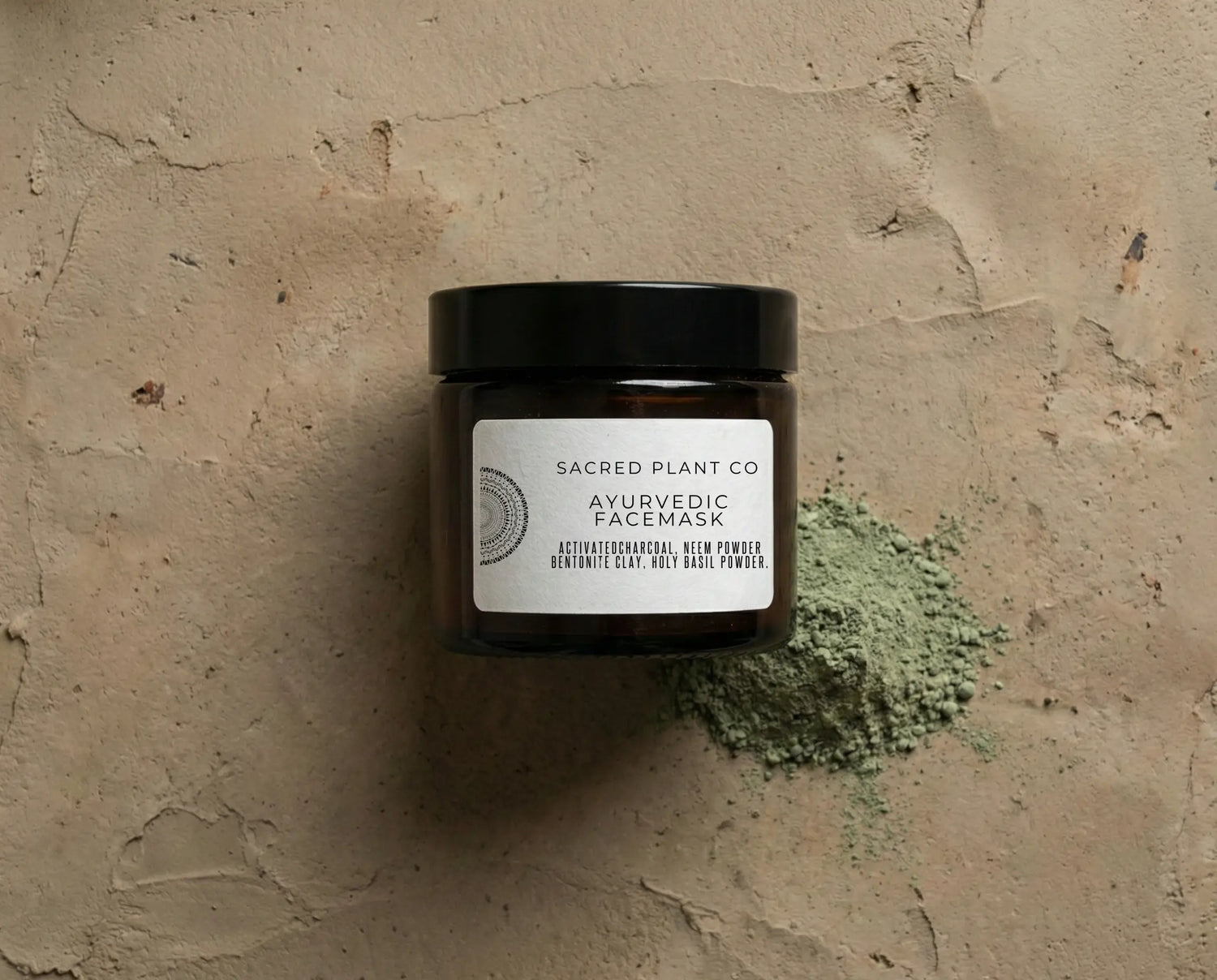
Ayurvedic Face Mask
Starting at $19.99
Our Ayurvedic Face Mask combines the wisdom of ancient formulations with regeneratively grown herbs. This deep-cleansing blend features holy basil, activated charcoal, and bentonite clay to draw out impurities while nourishing your skin with time-tested botanicals.
Shop Ayurvedic Face MaskHow to Use Herbal Treatments for Acne
Incorporating herbal remedies into your skincare routine involves understanding the different application methods and choosing those that best suit your needs. Herbal treatments come in various forms, each offering unique benefits and therapeutic delivery mechanisms.
Internal Support: Herbal Teas
Consuming herbal teas supports skin health from within by addressing systemic factors that contribute to acne. Nettle tea provides minerals and supports gentle detoxification through kidney function. Green tea delivers antioxidants that reduce oxidative stress and inflammation. Burdock root tea supports blood purification and lymphatic drainage.
Steep 1-2 teaspoons of dried herbs in hot water for 10-15 minutes to properly extract water-soluble compounds. Enjoy 1-3 cups a day. The detoxifying effects of herbal teas work synergistically with topical treatments to address both internal and external factors.
Topical Applications: Salves and Balms
Direct application of herb-infused salves delivers concentrated therapeutic compounds to affected areas. Products like our Neem & Nettle Salve combine the antimicrobial properties of neem with nettle's anti-inflammatory effects in a skin-nourishing base.
To use, gently cleanse your face and apply a small amount to affected areas after cleansing. The natural ingredients work overnight to reduce inflammation, support healing, and prevent bacterial proliferation. For sensitive skin, start with spot treatment before progressing to broader application.
Deep Treatment: Herbal Masks
Masks provide intensive treatment by allowing concentrated herbal compounds to penetrate deeply while drawing out impurities. Clay-based masks like our Ayurvedic Face Mask absorb excess oils and toxins while delivering therapeutic phytochemicals.
Apply an even layer to clean, slightly damp skin. Allow the mask to dry for 10-15 minutes, then rinse with warm water while gently massaging in circular motions to aid exfoliation. Use 1-2 times weekly for maintenance or 2-3 times for active breakouts. The synergistic benefits of combining neem and turmeric in mask formulations have been recognized in Ayurvedic practice for millennia.
Essential Oil Applications
Essential oils like tea tree and lavender provide concentrated antimicrobial and anti-inflammatory compounds for spot treatment. Always dilute essential oils in a carrier oil (such as jojoba or hemp seed oil) at a ratio of 2-3 drops per teaspoon of carrier to prevent skin irritation.
Herbal Cleansers and Toners
Using cleansers and toners infused with acne-fighting herbs provides daily therapeutic support while maintaining skin barrier function. These products can gently purify and prepare your skin for further treatments without the harsh stripping effect of many conventional acne products.
Cleanse morning and evening, following with a toner to rebalance pH and deliver additional herbal compounds. This creates an optimal environment for skin healing and helps prevent new breakouts while supporting your skin's natural protective mechanisms.
Incorporating Herbs into Your Complete Skincare Routine
Herbal remedies work best when integrated into a comprehensive skincare and lifestyle approach that addresses both internal and external factors. Consistency and patience are key, as herbal treatments often require several weeks of regular use to demonstrate their full benefits.
Morning Ritual
Begin your day by cleansing with a gentle herbal cleanser containing neem or tea tree. Follow with a toner enriched with witch hazel or rose water to rebalance pH and tighten pores. Finish with a lightweight moisturizer containing aloe vera or chamomile to nourish and protect without clogging pores.
This morning sequence prepares your skin for the day while providing antimicrobial protection and maintaining proper hydration balance.
Evening Renewal
In the evening, perform a deeper cleanse using a herbal face wash to remove impurities and residue accumulated throughout the day. Massage the cleanser onto damp skin in gentle circular motions, then rinse thoroughly with lukewarm water.
2-3 times per week, follow cleansing with a purifying mask to detoxify pores and revitalize skin. On other evenings, apply targeted spot treatments to active blemishes, allowing them to work overnight to reduce inflammation and promote healing.
Internal Support Through Nutrition
Support your external skincare with internal herbal supplementation. Drink nettle or green tea daily to provide antioxidants and support detoxification. Consider adding turmeric to foods or taking it as a supplement to reduce systemic inflammation.
Maintain a diet rich in whole foods, colorful vegetables, and healthy fats to provide the raw materials your skin needs for healing. Reduce consumption of processed foods, refined sugars, and dairy products, which can exacerbate acne for many individuals.
Stress Management
Practice stress-reduction techniques such as meditation, yoga, or deep breathing exercises to lower cortisol levels and minimize stress-related breakouts. Lavender tea or aromatherapy before bed can support both stress reduction and better sleep quality.
Adequate sleep (7-9 hours nightly) is crucial for skin regeneration and repair. During deep sleep, your body produces growth hormone and increases blood flow to the skin, supporting healing and cellular renewal.
Hydration and Elimination
Stay well-hydrated by drinking plenty of water throughout the day to support kidney function and toxin elimination through urine. Herbal teas count toward your daily fluid intake while providing additional therapeutic benefits.
Support regular bowel movements through fiber-rich foods and herbs like dandelion or burdock, ensuring proper elimination of metabolic wastes that might otherwise be eliminated through the skin.

Neem Leaf Powder
Starting at $9.99
Our finely milled Neem Leaf Powder is sustainably grown and gently dried to preserve its powerful antimicrobial and anti-inflammatory compounds. Perfect for creating custom face masks and skincare preparations.
Shop Neem PowderBest Practices for Herbal Acne Treatment
Consistency is Key
Herbal remedies typically require consistent use over 4-8 weeks to demonstrate significant results. Unlike pharmaceutical treatments that may show rapid initial effects (often through aggressive action), herbs work gradually to restore balance and support the body's natural healing processes. Make herbal skincare a part of your daily ritual, not an occasional intervention.
Patch Test New Herbs
Always perform a patch test before applying new herbal products to your face. Apply a small amount to the inside of your wrist or behind your ear and wait 24-48 hours to ensure you don't have an allergic reaction. While herbs are natural, individual sensitivities can occur, and some people react to specific plant compounds.
Balance is Important
While herbs are natural, they contain potent bioactive compounds that should be used thoughtfully. More is not always better. Use herbs in appropriate concentrations and avoid combining too many different treatments simultaneously, which can overwhelm your skin and make it difficult to identify what works.
Listen to Your Skin
Pay attention to how your skin responds to different herbs and adjust your routine accordingly. Some herbs work better for certain individuals based on skin type, acne presentation, and underlying imbalances. Keep a simple journal tracking what you use and how your skin responds to identify patterns and optimize your regimen.
Combine Internal and External Approaches
The most effective herbal acne treatment combines topical applications with internal support. While external treatments address surface bacteria and inflammation, internal herbs support liver detoxification, hormonal balance, and systemic inflammation reduction. This comprehensive approach addresses both symptoms and root causes.
Quality Matters
The therapeutic efficacy of herbal treatments depends entirely on herb quality. Choose herbs from reputable sources that prioritize regenerative growing methods, proper harvesting at peak potency, and gentle processing that preserves therapeutic compounds. Laboratory testing for purity and potency provides additional assurance of quality.
Transparency Through Testing
At Sacred Plant Co, we believe you have the right to know exactly what you're putting on your skin. All our herbs undergo rigorous laboratory testing for microbial contaminants, heavy metals, and identity and foreign matter. Each batch is assigned a unique lot number that corresponds to its Certificate of Analysis.
Understanding lab testing results empowers you to make informed decisions about your skincare. Our comprehensive guide explains how to interpret the data on Certificates of Analysis, what the testing parameters mean, and why certain thresholds matter for herbal products.
To request the Certificate of Analysis for your specific product batch, please contact us at care@sacredplantco.com with your lot number. Every herb we sell is tested before release, and we publish the signed Certificate of Analysis for every lot we test on our lab testing page.
Frequently Asked Questions About Herbal Acne Treatment
How long does it take to see results from herbal acne treatments?
Most people notice initial improvements within 2-4 weeks of consistent use, with significant clearing occurring over 6-8 weeks. Herbal treatments work by addressing underlying imbalances rather than just suppressing symptoms, so they require patience. Active breakouts may begin healing within days, but achieving clear skin and preventing new breakouts takes longer. Factors affecting timeline include acne severity, consistency of use, lifestyle factors, and whether you're addressing internal causes through diet and stress management alongside topical treatments.
Can I use multiple herbal acne treatments at the same time?
Yes, combining herbs can provide synergistic benefits, but introduce new treatments gradually to monitor your skin's response. Many traditional formulations intentionally combine herbs that work through different mechanisms. For example, neem's antimicrobial action pairs well with turmeric's anti-inflammatory effects. However, start with one or two herbs and add others slowly. This allows you to identify which treatments work best for your skin and prevents overwhelming your system. The Ayurvedic Face Mask is specifically formulated to provide multiple herbs in balanced proportions.
Are herbal acne treatments safe for sensitive skin?
Many herbs are gentler than conventional acne treatments, but individual sensitivities vary and patch testing is essential. Herbs like chamomile, calendula, and aloe vera are particularly suitable for sensitive skin due to their soothing properties. However, some potent herbs like tea tree oil or neem can cause reactions in sensitive individuals if used improperly. Always dilute essential oils, start with lower concentrations, and perform patch tests. If you have a history of plant allergies or very reactive skin, consult with a qualified herbalist or dermatologist before starting new treatments.
Can herbal treatments help with acne scars and hyperpigmentation?
Yes, several herbs help fade acne scars and dark spots through anti-inflammatory action and support for healthy tissue regeneration. Turmeric inhibits melanin production and has been shown to lighten hyperpigmentation. Licorice root extract contains glabridin, which helps fade dark spots. Rosehip seed oil supports collagen production and skin renewal. However, prevention is more effective than treatment for scarring, so using anti-inflammatory herbs during active breakouts helps minimize post-inflammatory hyperpigmentation. For existing scars, consistent application over several months is typically required.
Should I stop using herbal treatments once my acne clears?
Reducing frequency rather than stopping completely often provides the best long-term results. Once your skin clears, you can transition from intensive treatment to maintenance use. For example, reduce mask applications from 2-3 times weekly to once weekly. Continue drinking herbal teas for internal support. Maintain your gentle herbal cleanser rather than switching back to harsh products. This ongoing support helps prevent relapse and addresses the underlying factors that contributed to acne development. Many people find that regular preventive use is more effective than reactive intensive treatment.
Can I use herbal acne treatments during pregnancy or while breastfeeding?
Many topical herbal treatments are considered safe during pregnancy and breastfeeding, but always consult your healthcare provider first. External application of herbs like chamomile, calendula, and aloe vera is generally well-tolerated. However, some herbs that are safe topically should not be consumed internally during pregnancy. Essential oils require special caution, as some are contraindicated during pregnancy. Your midwife or doctor can provide guidance based on your specific situation. For internal herbal support, professional guidance is particularly important during pregnancy and lactation.
What's the difference between using fresh herbs versus dried or powdered forms?
Fresh herbs contain more moisture but dried herbs offer concentrated therapeutic compounds and practical advantages for skincare. For topical acne treatments, properly dried and powdered herbs are usually preferable because water content in fresh herbs can introduce microbial contamination in preparations. Dried herbs are more shelf-stable, easier to formulate with, and provide consistent potency. The key is gentle drying that preserves heat-sensitive compounds. For internal use through teas, both fresh and dried herbs work well, though dried herbs are more concentrated. Powdered forms like neem leaf powder or turmeric allow for easy mask preparation and ensure even distribution of active compounds.
Related Reading: Expand Your Herbal Knowledge
- Neem vs Turmeric for Acne: Ayurvedic Remedies Compared - Discover how these two powerful herbs work differently but synergistically to address acne through complementary mechanisms.
- Detox Teas for Skin: A Natural Way to Achieve a Radiant Glow - Learn how internal herbal support through detoxifying teas addresses the systemic factors contributing to acne.
- Neem Oil for Eczema: Ancient Ayurvedic Remedy - Explore neem's broader applications for inflammatory skin conditions beyond acne.
- Burdock Root Benefits: Detox, Liver Support & Skin Health - Understand how burdock's blood-purifying and lymphatic support contributes to clearer skin.
- Top Herbs for Detoxification: Complete Natural Cleansing Guide - See how supporting your body's natural elimination pathways through herbs can improve skin clarity.
- How to Buy, Store, and Use Herbs in Bulk - Learn proper storage techniques to maintain the potency of your herbal acne treatments.
Embrace Nature's Wisdom for Clear, Healthy Skin
The path to clear skin doesn't have to involve harsh chemicals or aggressive treatments that compromise your skin's natural barrier. The regeneratively grown herbs we've explored offer a gentler yet scientifically supported approach that works with your body's innate healing intelligence rather than against it.
By understanding how specific herbs address different acne mechanisms, from reducing bacterial populations to calming inflammation and supporting detoxification, you can create a personalized protocol that targets your unique skin needs. The synergy between topical applications and internal support through herbal teas creates comprehensive healing that addresses both symptoms and root causes.
Remember that herbal medicine requires patience and consistency. Your skin didn't develop acne overnight, and it won't clear overnight. But with regular use of quality herbs, attention to lifestyle factors, and trust in the process, you'll likely find that herbal treatments offer not just clear skin but improved overall skin health, resilience, and vitality.
At Sacred Plant Co, we're committed to providing you with herbs grown regeneratively for maximum therapeutic potency, processed gently to preserve their medicinal compounds, and laboratory tested for microbial contaminants, heavy metals, and identity. Because we believe you deserve skincare that's as clean as the soil it comes from.
Ready to experience the difference that regeneratively grown herbs make? Explore our full collection of herbs and formulations designed to support your journey to clearer, healthier skin.
Scientific References
- Subapriya R, Nagini S. Medicinal properties of neem leaves: a review. Curr Med Chem Anticancer Agents. 2005;5(2):149-156. doi:10.2174/1568011053174828
- Roschek B Jr, Fink RC, McMichael MD, Li D, Alberte RS. Nettle extract (Urtica dioica) affects key receptors and enzymes associated with allergic rhinitis. Phytother Res. 2009;23(7):920-926. doi:10.1002/ptr.2763
- Vaughn AR, Branum A, Sivamani RK. Effects of Turmeric (Curcuma longa) on Skin Health: A Systematic Review of the Clinical Evidence. Phytother Res. 2016;30(8):1243-1264. doi:10.1002/ptr.5640
- Pazyar N, Yaghoobi R, Bagherani N, Kazerouni A. A review of applications of tea tree oil in dermatology. Int J Dermatol. 2013;52(7):784-790. doi:10.1111/j.1365-4632.2012.05654.x
- Saric S, Notay M, Sivamani RK. Green Tea and Other Tea Polyphenols: Effects on Sebum Production and Acne Vulgaris. Antioxidants (Basel). 2016;6(1):2. doi:10.3390/antiox6010002
- Hekmatpou D, Mehrabi F, Rahzani K, Aminiyan A. The Effect of Aloe Vera Clinical Trials on Prevention and Healing of Skin Wound: A Systematic Review. Iran J Med Sci. 2019;44(1):1-9.
- Cavanagh HM, Wilkinson JM. Biological activities of lavender essential oil. Phytother Res. 2002;16(4):301-308. doi:10.1002/ptr.1103
- McKay DL, Blumberg JB. A review of the bioactivity and potential health benefits of chamomile tea (Matricaria recutita L.). Phytother Res. 2006;20(7):519-530. doi:10.1002/ptr.1900


