


Desert Wisdom Meets Cellular Science for Skin Regeneration & Antioxidant Defense

At Sacred Plant Co, we cultivate botanical resilience through regenerative farming practices that mirror the adaptive intelligence found in nature's most extraordinary plants. Our Resurrection Plant extract captures the extraordinary survival mechanisms of Selaginella lepidophylla, a desert spikemoss that has mastered cellular protection through millennia of adaptation to extreme drought. When conventional agriculture depletes soil vitality and botanical diversity, our regenerative approach at I·M·POSSIBLE Farm honors the profound connection between soil health and phytochemical potency—ensuring every extract delivers the concentrated bioactive compounds that make resurrection plants uniquely powerful for human wellness.
The plant's remarkable ability to survive nearly complete desiccation, losing up to 95% of its cellular water and reviving within hours of rehydration, has captivated both traditional herbalists and modern researchers. What sets Selaginella lepidophylla apart is its sophisticated biochemical defense system—concentrated biflavonoids like robustaflavone and amentoflavone, phenolic compounds with exceptional antioxidant capacity, and specialized polysaccharides that protect cellular structures under oxidative stress. These same protective compounds translate directly into therapeutic benefits for skin regeneration, cellular defense against environmental damage, and systemic antioxidant support when incorporated into wellness protocols.
The Botanical Architecture of Survival: Understanding Resurrection Plant Biology

Selaginella lepidophylla belongs to an ancient lineage of vascular plants that predates flowering species by hundreds of millions of years. Native to the Chihuahuan Desert spanning Mexico and the southwestern United States, this lycophyte has evolved one of nature's most sophisticated desiccation tolerance mechanisms. Research published in Scientific Reports demonstrates that the plant's curling behavior during dehydration reduces solar radiation exposure to inner stems by more than 99.7%, creating a protective microenvironment that shields photosynthetic tissues from oxidative damage.1
The morphological changes during desiccation are entirely physical rather than biophysical, driven by differential hygroscopic properties in specialized tissues. As water content drops below 5%, the spirally arranged stems curl inward to form a compact sphere, with outer stems sacrificing themselves to protect the vital inner tissues that will regenerate upon rehydration. This curling mechanism, coupled with biochemical protections, allows the plant to remain viable in a desiccated state for years—laboratory studies have documented successful revival after four years of complete dehydration.2
Molecular Mechanisms: How Resurrection Plants Defy Cellular Death
The survival strategy of Selaginella lepidophylla involves coordinated expression of thousands of genes that protect cellular machinery from oxidative damage. Comparative transcriptome analysis published in PLOS ONE identified 17,934 differentially expressed genes activated during dehydration and rehydration cycles, with significant upregulation of antioxidant enzyme systems including superoxide dismutase, peroxidase, catalase, and glutathione reductase.3 These enzymes work synergistically to neutralize reactive oxygen species (ROS) generated during photosynthetic shutdown and cellular stress.
Research in Biochemical and Biophysical Research Communications revealed that resurrection species employ dual strategies for ROS management: reducing production through photosynthetic downregulation while simultaneously amplifying scavenging capacity through enhanced antioxidant synthesis.4 The induction of antioxidant systems, amino acid metabolism, and secondary metabolite production represent shared mechanisms across desiccation-tolerant Selaginella species, suggesting these pathways are fundamental to resurrection capacity.
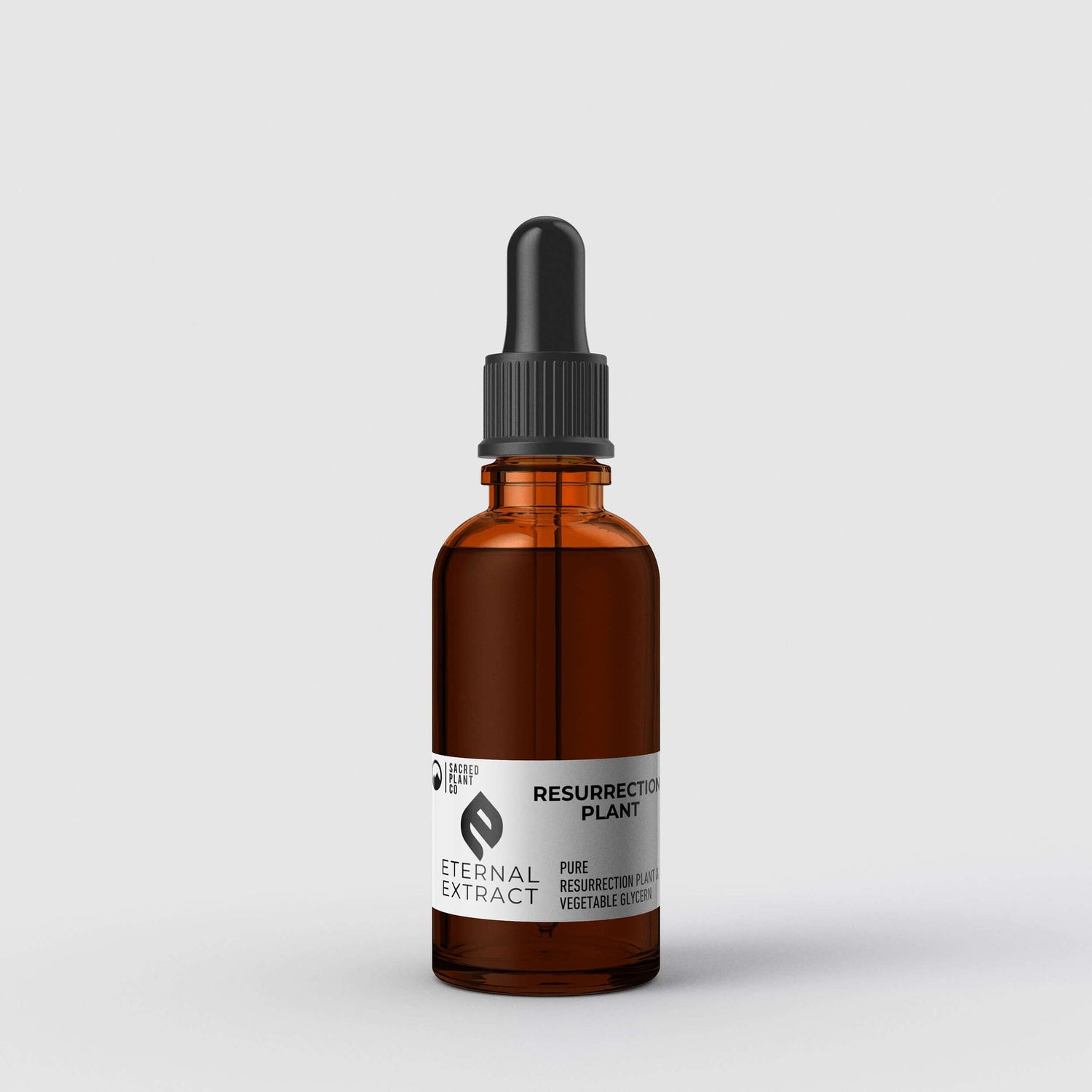
High-Potency Resurrection Plant Extract
100% alcohol-free glycerin tincture capturing the concentrated biflavonoids, phenolic compounds, and protective polysaccharides that give Selaginella lepidophylla its remarkable resilience. Grown through regenerative practices and extracted for maximum bioavailability.
Explore Resurrection Plant ExtractBiflavonoids & Phenolic Powerhouses: The Active Compounds Behind Cellular Protection
The therapeutic potential of Selaginella lepidophylla resides primarily in its rich biflavonoid profile. Bioactivity-guided chemical analysis published in the Journal of Agricultural and Food Chemistry identified three major biflavonoids through high-performance liquid chromatography: robustaflavone, 2,3-dihydrorobustaflavone, and 2,3-dihydrorobustaflavone-5-methyl ether.5 These dimeric flavonoid structures demonstrate potent biological activities that extend far beyond simple antioxidant functions.
Biflavonoids represent some of the most pharmacologically significant natural compounds found in Selaginella species. Research in Pharmacognosy Magazine comparing cytotoxic activities across seven Selaginella species found that amentoflavone and robustaflavone content directly correlates with antioxidant capacity and cellular protective effects.6 These compounds exhibit multiple mechanisms of action including free radical scavenging, modulation of inflammatory pathways, and enhancement of cellular antioxidant enzyme expression.
Phenolic Compounds and Cellular Signaling
Beyond biflavonoids, Selaginella lepidophylla contains diverse phenolic acids and flavonoid glycosides that contribute to its comprehensive protective profile. Studies analyzing fractions from Selaginella species using the Folin-Ciocalteu method consistently demonstrate high total phenolic content, with ethyl acetate fractions showing the greatest concentration of bioactive compounds.7 These phenolic compounds exhibit dose-dependent antioxidant activity in both DPPH radical scavenging assays and β-carotene-linoleic acid bleaching tests, indicating effectiveness against multiple oxidative pathways.
The synergistic interaction between different phenolic compounds appears crucial for therapeutic efficacy. While amentoflavone is often highlighted as the primary bioactive constituent, research suggests that the complete phytochemical matrix—including minor biflavonoids, phenolic acids, and accompanying terpenoids—provides enhanced biological activity compared to isolated compounds. This observation reinforces traditional herbalism's emphasis on whole-plant extracts rather than pharmaceutical reductionism.
Skin Regeneration & Dermal Protection: Translating Desert Resilience to Cellular Beauty
The same biochemical mechanisms that protect Selaginella lepidophylla from environmental extremes translate remarkably well to human skin applications. Dermatological research demonstrates that resurrection plant extracts deliver multiple complementary benefits for skin health: intense hydration through polysaccharide binding, antioxidant protection against photoaging, stimulation of collagen synthesis, and acceleration of cellular repair processes.
A clinical study examining myconoside-rich extracts from resurrection species Haberlea rhodopensis found significant improvements in skin elasticity and radiance among human volunteers, with mechanisms involving stimulation of antioxidant defense systems and enhanced extracellular matrix protein synthesis.8 While this research focused on a related resurrection species, the shared survival mechanisms across resurrection plants suggest similar benefits from Selaginella lepidophylla extracts.
Hydration at the Cellular Level
The profound hydrating capacity of resurrection plant extracts derives from specialized polysaccharides and oligosaccharides that evolved to stabilize cellular structures during desiccation. Trehalose, a disaccharide abundant in resurrection tissues, acts as a natural bioprotectant by replacing water molecules around proteins and lipids, maintaining their structural integrity even under severe dehydration.9 When applied topically or consumed internally, these compounds help maintain skin hydration by binding water molecules and reducing transepidermal water loss.
The hygroscopic properties that allow the plant to rapidly rehydrate translate into immediate and lasting moisture delivery to skin cells. Unlike conventional moisturizers that sit on the surface, the small molecular weight of resurrection plant polysaccharides facilitates penetration into deeper dermal layers, supporting hydration from within while creating a protective barrier against environmental moisture loss.
Combating Photoaging Through Antioxidant Defense
UV radiation generates substantial oxidative stress in skin cells, damaging DNA, degrading collagen and elastin, and accelerating visible aging. The concentrated antioxidant profile of Selaginella lepidophylla provides comprehensive protection against photodamage. Studies on Selaginella biflavonoids demonstrate their ability to neutralize multiple reactive oxygen species including superoxide radicals, hydroxyl radicals, and singlet oxygen—all major contributors to photoaging.10
Research published in the International Journal of Molecular Sciences specifically highlights the anti-inflammatory properties of Selaginella extracts, showing significant reduction in inflammatory markers associated with UV exposure and environmental stress.11 By modulating both oxidative stress and inflammatory signaling, resurrection plant compounds address photoaging through complementary protective mechanisms.
Related Reading: Discover how adaptogenic herbs support cellular resilience in our comprehensive guide to adaptogenic botanicals for stress response.
Systemic Antioxidant Support: Beyond Topical Applications
While skin benefits capture immediate attention, the internal consumption of Selaginella lepidophylla extracts provides systemic antioxidant support that extends to multiple organ systems. The bioavailability of biflavonoids and phenolic compounds allows these protective molecules to circulate throughout the body, offering cellular defense wherever oxidative stress threatens tissue integrity.
Comparative studies on Selaginella species demonstrate broad-spectrum antioxidant activity across multiple assay systems. Research examining ethanol extracts from Selaginella convoluta found substantial free radical scavenging capacity, with mechanisms involving both direct ROS neutralization and upregulation of endogenous antioxidant enzyme systems.12 The phenolic compounds in resurrection plants appear to activate cellular signaling pathways that enhance the body's own protective mechanisms rather than simply acting as chemical sponges for free radicals.
Supporting Cellular Stress Response Pathways
Emerging research suggests that compounds from resurrection plants may function as mild cellular stressors that trigger adaptive responses—a phenomenon known as hormesis. By activating stress response transcription factors like Nrf2, these phytochemicals can upregulate expression of cytoprotective genes including those encoding antioxidant enzymes, heat shock proteins, and DNA repair machinery. This preconditioning effect may explain why traditional use of resurrection plants emphasizes regular, moderate consumption rather than acute high-dose interventions.
The anti-inflammatory properties documented in multiple studies on Selaginella species suggest therapeutic potential for managing chronic inflammatory conditions. While specific clinical trials on Selaginella lepidophylla for inflammatory diseases remain limited, the mechanistic research on related species shows promise for supporting balanced immune responses and reducing inflammation-mediated tissue damage.
Korean Natural Farming & Phytochemical Density: The Regenerative Advantage
The concentration and diversity of bioactive compounds in medicinal plants directly reflects soil health and cultivation practices. At Sacred Plant Co's I·M·POSSIBLE Farm, we employ Korean Natural Farming (KNF) principles to cultivate an ecosystem where beneficial soil microorganisms, nutrient cycling, and plant-microbial partnerships create optimal conditions for phytochemical synthesis. Unlike industrial agriculture that relies on synthetic inputs and monoculture, our regenerative approach builds soil carbon, enhances microbial diversity, and produces botanicals with superior therapeutic potential.
Research consistently demonstrates that plants grown in biologically active, nutrient-rich soils produce higher concentrations of secondary metabolites—the compounds responsible for medicinal properties. The stress response pathways that generate protective phytochemicals in wild plants are supported rather than suppressed in regenerative systems, allowing cultivated herbs to develop the biochemical complexity of their wild ancestors while maintaining sustainable production.
Learn More: Explore how our regenerative practices enhance botanical potency in our article on Korean Natural Farming methods and their impact on medicinal plant quality.
Practical Applications: Incorporating Resurrection Plant Extract Into Wellness Protocols
Sacred Plant Co's alcohol-free glycerin extraction preserves the full spectrum of water-soluble compounds while creating a gentle, bioavailable tincture suitable for both internal and topical use. The glycerin base provides its own hydrating properties while eliminating the potential irritation or drying effects of alcohol-based extracts—particularly important for skin applications.
Internal Use Protocols
Consistency matters more than dosage intensity—regular, moderate consumption allows these compounds to maintain steady tissue concentrations while supporting upregulation of endogenous antioxidant systems. Traditional use patterns across multiple herbal traditions emphasize daily incorporation of protective botanicals rather than sporadic high-dose interventions.
Topical Application for Skin Health
For direct dermal benefits, apply 2-3 drops of Resurrection Plant extract to freshly cleansed skin, gently massaging into areas of concern including dry patches, fine lines, and regions showing environmental damage. The extract can be used alone or mixed into existing serums and moisturizers to enhance their antioxidant and hydrating properties. Focus application on the face, neck, and décolletage where photoaging is most visible, but the extract can benefit skin anywhere on the body.
For targeted treatment of specific concerns—hyperpigmentation, acne scarring, or areas of inflammation—apply a slightly higher concentration directly to affected areas while using a maintenance dose across broader facial regions. The anti-inflammatory properties should become apparent within 1-2 weeks of consistent use, while deeper structural improvements in collagen synthesis and cellular regeneration manifest over 4-8 weeks of regular application.
Safety Considerations & Contraindications
While Selaginella lepidophylla has a long history of traditional use and research generally indicates good safety profiles for Selaginella species, certain precautions should be observed. The concentrated biflavonoid content may interact with medications metabolized through cytochrome P450 pathways, particularly CYP3A4 and CYP2C9 enzymes. Research on Selaginella tamariscina demonstrated that biflavonoids can inhibit certain drug-metabolizing enzymes, potentially altering medication effectiveness.13
Individuals taking anticoagulant medications should exercise caution, as some flavonoids demonstrate mild antiplatelet activity that could theoretically enhance bleeding risk when combined with pharmaceutical blood thinners. Similarly, those on medications for diabetes should monitor blood glucose carefully, as preliminary research suggests some Selaginella compounds may influence glucose metabolism and insulin sensitivity.
Important Safety Information
Pregnancy and Nursing: Insufficient research exists on Selaginella lepidophylla use during pregnancy and lactation. As a precautionary measure, pregnant and nursing individuals should avoid use until safety data becomes available.
Medication Interactions: Consult healthcare providers before use if taking prescription medications, particularly anticoagulants, diabetes medications, or drugs metabolized by liver enzymes.
Allergic Reactions: Individuals with known sensitivities to plants in the Selaginellaceae family should perform patch testing before topical use and start with minimal internal doses.
Not a Medical Treatment: This product is not intended to diagnose, treat, cure, or prevent any disease. The information provided represents traditional use and preliminary research, not established medical claims.
Frequently Asked Questions About Resurrection Plant Extract
What makes Selaginella lepidophylla different from other antioxidant supplements?
The unique biflavonoid profile of Selaginella lepidophylla, particularly robustaflavone and related compounds, provides multi-mechanism antioxidant activity that both directly neutralizes free radicals and upregulates cellular protective systems. Unlike single-molecule antioxidants like vitamin C or E, the complex phytochemical matrix in resurrection plant extracts addresses oxidative stress through complementary pathways while offering additional benefits including hydration support and anti-inflammatory activity. The plant's evolutionary adaptation to extreme oxidative stress during desiccation has produced one of nature's most sophisticated cellular protection systems.
Can Resurrection Plant Extract help with visible signs of aging?
Research on resurrection plant compounds demonstrates several mechanisms relevant to skin aging: enhanced collagen synthesis through stimulation of fibroblast activity, protection against UV-induced damage and photoaging, reduction of inflammatory markers that accelerate aging, and deep hydration that plumps skin and reduces fine line appearance. While individual results vary, consistent use over 4-8 weeks allows time for cellular regeneration processes to manifest as visible improvements in skin texture, elasticity, and radiance. The antioxidant protection also helps prevent future damage that would otherwise accelerate aging.
How does alcohol-free glycerin extraction compare to traditional alcohol tinctures?
Glycerin extraction effectively captures water-soluble compounds including polysaccharides, glycosides, and many phenolic compounds while providing its own humectant properties beneficial for both internal use and topical application. While alcohol excels at extracting certain lipophilic compounds, the biflavonoids and phenolics that constitute resurrection plant's primary bioactives are well-extracted by glycerin. The gentler profile of alcohol-free tinctures makes them particularly suitable for sensitive individuals, those avoiding alcohol for personal or religious reasons, and topical applications where alcohol's drying effects would be counterproductive.
What's the recommended dosage for different wellness goals?
Topical use typically requires only 2-5 drops per application depending on coverage area, with facial application generally using 2-3 drops.
How long before I notice results from Resurrection Plant Extract?
Immediate effects—primarily hydration and subtle skin softening—may be apparent within days of topical application. Deeper benefits involving cellular regeneration, collagen synthesis, and structural improvements typically manifest over 4-8 weeks of consistent use as cell turnover cycles complete and accumulated antioxidant support reaches therapeutic thresholds. Systemic antioxidant benefits from internal use build gradually as tissue concentrations stabilize, with most individuals reporting increased resilience to environmental stress and improved energy after 2-3 weeks of regular consumption. Optimal results require patience and consistency rather than acute high-dose approaches.
Can I use Resurrection Plant Extract alongside other skincare products?
Yes, resurrection plant extract complements most skincare routines effectively. Apply the extract to clean skin before heavier serums or moisturizers to ensure optimal absorption of its active compounds. The extract can also be mixed directly into your existing products to enhance their antioxidant capacity. Avoid combining with strong acids (like high-percentage AHAs or retinoids) in the same immediate application, as pH extremes might affect bioavailability—instead, use resurrection plant extract in your morning routine and acids in your evening routine, or separate applications by at least 20 minutes.
Is this extract suitable for sensitive or acne-prone skin?
The anti-inflammatory and non-comedogenic properties of glycerin-based resurrection plant extract make it generally suitable for sensitive skin. The absence of alcohol eliminates a common irritant, while the plant's phenolic compounds help calm inflammatory responses rather than triggering them. For acne-prone skin, the antioxidant and anti-inflammatory effects may support healing and reduce post-inflammatory hyperpigmentation. However, individual skin responses vary—always perform a patch test on a small area before full facial application, and introduce new products gradually to monitor tolerance.
The Regenerative Circle: From Soil Health to Cellular Resilience
The story of Selaginella lepidophylla illuminates a profound ecological truth: the biochemical wisdom that protects plants from environmental extremes often translates directly into therapeutic compounds for human wellness. When we honor these plants through regenerative cultivation that supports their full phytochemical expression, we create a virtuous cycle where healthy soils produce potent botanicals that, in turn, support human health and vitality.
At Sacred Plant Co, every bottle of Resurrection Plant Extract represents this commitment to ecological integrity and botanical excellence. From the living soil of our I·M·POSSIBLE Farm to the sophisticated extraction processes that preserve delicate bioactive compounds, we maintain the highest standards of quality and sustainability. The result is an extract that captures not just isolated chemicals, but the integrated wisdom of a plant that has mastered cellular protection through millions of years of evolutionary refinement.
Whether you're seeking antioxidant defense against environmental stressors, skin regeneration support for visible aging concerns, or the simple pleasure of incorporating ancient botanical wisdom into modern wellness practices, our Resurrection Plant Extract offers a bridge between desert resilience and cellular vitality. We invite you to experience the transformative potential of this remarkable plant, grown with respect for ecological systems and extracted with attention to therapeutic excellence.
Experience Cellular Resilience
Join thousands who have discovered the regenerative power of Selaginella lepidophylla. Each drop delivers concentrated biflavonoids and protective compounds that support skin health, antioxidant defense, and cellular vitality.
Add to CartReferences
- Reyssat E, Mahadevan L. Hygromorphs: from pine cones to biomimetic bilayers. Scientific Reports. 2015;5:8064. doi:10.1038/srep08064
- VanBuren R, et al. Exceptional subgenome stability and functional divergence in allotetraploid teff. Nature Communications. 2020;11:884.
- Xu Z, et al. Identifying resurrection genes through differentially expressed genes between Selaginella tamariscina and Selaginella moellendorffii under drought stress. PLOS ONE. 2019;14(11):e0224765.
- Zhang Q, et al. Desiccation tolerance mechanisms of resurrection plant Selaginella pulvinata. Biochemical and Biophysical Research Communications. 2024;736:150862.
- Aguilar MI, et al. Biflavonoids isolated from Selaginella lepidophylla inhibit photosynthesis in spinach chloroplasts. Journal of Agricultural and Food Chemistry. 2008;56(17):6994-7000.
- Li J, et al. Comparison of cytotoxic activities of extracts from Selaginella species. Pharmacognosy Magazine. 2014;10(Suppl 2):S529-S535.
- Silva MCA, et al. Chemical composition, antioxidant and antibacterial activities of fractions from Selaginella convoluta. Biotechnology & Biotechnological Equipment. 2018;32(1):9-17.
- Gâteva S, et al. Skin benefits of a myconoside-rich extract from resurrection plant Haberlea rhodopensis. Phytotherapy Research. 2012;26(3):388-393.
- Pampurova S, Van Dijck P. The desiccation tolerant secrets of Selaginella lepidophylla: What we have learned so far? Plant Physiology and Biochemistry. 2014;80:285-290.
- Bailly C. The traditional and modern uses of Selaginella tamariscina in medicine and cosmetic. Journal of Ethnopharmacology. 2021;279:114352.
- Yao H, et al. Analysis of total biflavonoids extract from Selaginella doederleinii and its anticancer effects. Molecules. 2017;22(2):325.
- Silva MCA, et al. Chemical composition, antioxidant and antibacterial activities of fractions from Selaginella convoluta. Biotechnology & Biotechnological Equipment. 2018;32(1):9-17.
- Heo JK, et al. Inhibitory effect of selaginellins from Selaginella tamariscina against cytochrome P450 enzymes. Molecules. 2017;22(1):109.


