


Raspberry Leaf Tea for Postpartum Wellness: Nature's Gentle Support for New Mothers
Last Updated: January 19, 2026
At Sacred Plant Co, our approach to postpartum wellness is rooted in regenerative thinking. We view the journey of motherhood through the same lens we apply to soil health: recovery requires nutrient density, balance, and living vitality. When we prioritize regenerative practices in our farming, we're not just growing herbs. We're cultivating medicinal compounds that emerge from the complex interplay between roots, soil microbes, and secondary metabolite production.
Raspberry leaf (Rubus idaeus) has served as a cornerstone herb for women's wellness across generations, particularly valued during the postpartum period. The traditional use of this gentle ally isn't merely anecdotal. Plants grown in biologically active soil develop higher concentrations of therapeutic terpenes, flavonoids, and other phytocompounds compared to those cultivated in depleted substrates. This soil-to-potency connection matters profoundly when supporting the body's natural recovery processes. Our commitment to transparent quality verification through lab testing ensures you're accessing herbs screened for microbial contaminants, heavy metals, and identity and foreign matter.
For new mothers navigating the vulnerable weeks after birth, raspberry leaf tea offers nutrient-rich support that honors both ancient wisdom and modern understanding of botanical medicine. This is herbalism that starts with soil health and ends with your wellbeing.
What You'll Learn
- How raspberry leaf's nutrient profile specifically supports postpartum recovery and uterine health
- The traditional applications of raspberry leaf tea across cultures and their relevance to modern motherhood
- Proper preparation methods that maximize therapeutic value while creating a nourishing daily ritual
- Evidence-based dosage guidelines and timing considerations for postpartum use
- How to identify premium quality raspberry leaf through sensory evaluation
- Safety considerations and contraindications specific to nursing mothers
- The connection between regenerative farming practices and medicinal potency in women's herbs
Botanical Profile and Traditional Wisdom
Raspberry leaf (Rubus idaeus) belongs to the Rosaceae family and has been revered as a women's tonic herb for centuries across European, Native American, and traditional Chinese medicine systems. The leaves contain a remarkable concentration of fragarine, an alkaloid that interacts with smooth muscle tissue, along with substantial amounts of vitamins C, E, and B-complex, plus essential minerals including calcium, iron, magnesium, and potassium.1
Traditional herbalists recognized raspberry leaf as a partus preparator, literally "birth preparer," though its applications extend well beyond pregnancy into the postpartum period. The leaves were traditionally harvested before flowering when their medicinal constituent profile peaks, then carefully dried to preserve volatile compounds and water-soluble nutrients.
Postpartum Benefits and Mechanisms of Action
 Rich in fragarine and bioavailable minerals, this infusion supports the "involution" process, helping uterine muscles return to their pre-pregnancy state with gentle efficiency.
Raspberry leaf tea is traditionally used to support uterine tone and facilitate the body's natural involution process after childbirth. The fragarine alkaloids present in the leaves appear to have a regulating effect on uterine smooth muscle, neither overly stimulating nor excessively relaxing, but rather supporting optimal contractile function.2
During the postpartum period, the uterus must contract from its expanded pregnancy size back to its pre-pregnancy state, a process called involution that typically takes six to eight weeks. Raspberry leaf's astringent tannins and muscle-toning alkaloids have been traditionally employed to support this natural process.
The herb's rich mineral content provides targeted nutritional support during a time of significant depletion. Iron supports recovery from blood loss, calcium aids in muscle function and nerve transmission, and magnesium helps modulate stress response and supports restful sleep. This is particularly relevant when supporting lactation, which demands substantial nutritional resources.3
Some herbalists and mothers report that raspberry leaf tea may support breast milk production, though research in this area remains limited. The galactagogue properties are thought to stem from the herb's overall nutritive support rather than a specific milk-stimulating action. Because this mirrors the nutrient-rich profile developed in raspberry leaf grown in regeneratively managed soil, quality matters tremendously.
How to Identify Premium Raspberry Leaf
 The deep green color signals high chlorophyll and preserved alkaloid content—visual proof of regenerative soil vitality that is often absent in grey, oxidized commercial herbs.
Premium raspberry leaf exhibits specific sensory characteristics that indicate proper harvesting, drying, and storage. When evaluating quality, look for leaves with vibrant green coloration, avoiding any material that appears brown, grey, or heavily oxidized. Fresh, properly dried raspberry leaf should retain its natural verdant color with minimal fading.
The texture should be crisp but not brittle. When crushed between your fingers, quality leaf will crumble cleanly rather than turning to dust, indicating appropriate moisture content during drying. The aroma profile combines grassy, hay-like notes with subtle fruity undertones and hints reminiscent of earl grey tea. Our raspberry leaf displays distinctive tasting notes of earl grey, grass, and lemon balm, a sensory signature that reflects both terroir and careful post-harvest handling.
Avoid material with musty or moldy odors, excessive stem content, or the presence of other plant debris. These characteristics indicate either poor harvesting practices or compromised storage conditions that can affect both safety and therapeutic value.
Preparation and Ritual
The standard preparation for raspberry leaf tea uses 1-2 teaspoons of dried leaf per 8 ounces of freshly boiled water, steeped for 10-15 minutes to extract both water-soluble vitamins and tannins. A longer steeping time yields a more astringent, mineral-rich infusion, while shorter steeps produce a lighter, more delicate cup.
For daily postpartum support, many herbalists recommend drinking 2-3 cups throughout the day, ideally between meals to maximize mineral absorption. The tea can be enjoyed warm or cooled to room temperature. Some mothers appreciate adding a small amount of honey or a squeeze of lemon, though the tea's naturally mild, slightly tannic flavor is pleasant on its own.
Creating a tea ritual, even a simple one, offers new mothers a moment of intentional self-care during the demanding postpartum period. The act of preparing and mindfully drinking the tea becomes a daily touchstone, a few minutes of grounding presence. This ritualistic aspect shouldn't be underestimated in its therapeutic value.
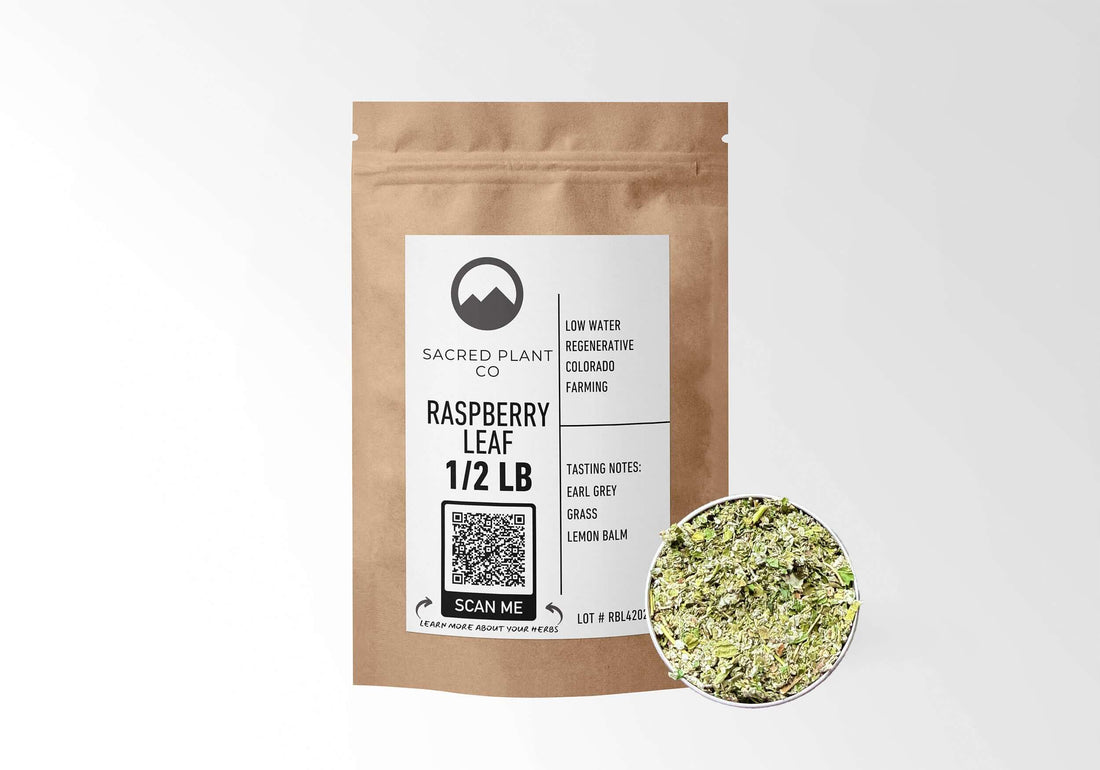
Raspberry Leaf
Starting at $8.99
Tasting Notes: Earl grey, grass, lemon balm
Caffeine-FreePremium quality raspberry leaf, carefully dried to preserve its full spectrum of nutrients and therapeutic compounds. Perfect for creating your postpartum wellness tea ritual.
Shop Raspberry LeafLearn more about understanding our lab testing standards. We publish the signed Certificate of Analysis for every lot we test on our lab testing page.
Dosage and Timing Considerations
Many practitioners suggest starting with a lower amount (1-2 cups daily) and gradually increasing to assess individual response. The tea is generally considered safe for nursing mothers, with no known transfer of concerning compounds into breast milk. However, as with any herbal intervention during lactation, consultation with a qualified healthcare provider is essential.
Timing throughout the day can be flexible based on personal preference. Some mothers prefer dividing their daily intake into morning, afternoon, and evening cups, while others find benefit in concentrating consumption during specific times when they can focus on the ritual aspect of tea preparation and drinking.
Safety Considerations and Contraindications
While raspberry leaf has an extensive history of safe use, certain situations warrant caution or avoidance. Women who experienced complications during pregnancy or delivery should consult with their healthcare provider before beginning any herbal regimen, including raspberry leaf tea.
Important Safety Information
- Consult your healthcare provider before using raspberry leaf if you have a history of rapid labor, preterm labor, or other delivery complications
- Women with hormone-sensitive conditions should discuss use with a qualified practitioner
- Discontinue use if you experience increased cramping, unusual bleeding, or any concerning symptoms
- Raspberry leaf may interact with certain medications; always inform your healthcare team about herbal supplements you're using
- This information is educational and not intended to diagnose, treat, cure, or prevent any disease
The energetics of raspberry leaf are considered cooling and drying in traditional herbal classification. For individuals with constitutions that tend toward coldness or dryness, pairing raspberry leaf with warming, moistening herbs like ginger or fennel may create better balance.
Related Reading on Raspberry Leaf
For deeper exploration of this remarkable herb, discover the top 10 health benefits of raspberry leaf, which extends beyond postpartum support into broader women's wellness applications. If you're interested in perfecting your preparation method, our guide on brewing raspberry leaf tea to perfection offers detailed techniques for extracting maximum benefit.
Storage and Preservation
Proper storage maintains raspberry leaf's therapeutic value and prevents degradation of volatile compounds and nutrients. Store dried leaf in an airtight container away from direct light, heat, and moisture. Glass jars with tight-fitting lids work excellently, as do food-grade metal tins.
When stored correctly, dried raspberry leaf maintains its potency for approximately 12-18 months, though using within the first year ensures optimal freshness. For comprehensive guidance on maintaining your herbal pharmacy, explore our article on how to buy, store, and use herbs in bulk.
Frequently Asked Questions
When should I start drinking raspberry leaf tea after giving birth?
Most herbalists recommend beginning raspberry leaf tea within the first few days postpartum and continuing for 6-8 weeks during uterine involution. However, if you experienced complications during delivery or have specific health concerns, consult your healthcare provider before starting any herbal protocol. The tea is generally considered safe for nursing mothers.
How does raspberry leaf differ from eating the actual raspberries?
The leaves contain different medicinal compounds than the fruit, particularly fragarine alkaloids and higher concentrations of certain minerals. While raspberry fruit provides excellent nutrition and antioxidants, the leaves offer specific support for uterine health that the berries don't provide. Both can be beneficial parts of a postpartum diet, but they serve different therapeutic purposes.
Can raspberry leaf tea help with breast milk production?
Some mothers report increased milk supply when drinking raspberry leaf tea, though scientific research on this specific effect is limited. The tea's mineral-rich profile provides nutritional support that may indirectly benefit lactation. If you're experiencing low milk supply, work with a lactation consultant who can address the underlying causes while incorporating supportive herbs like raspberry leaf.
Are there any side effects I should watch for?
Raspberry leaf is generally well-tolerated, but discontinue use if you experience increased cramping, unusual bleeding, or gastrointestinal upset. Some women report mild nausea when drinking very strong infusions on an empty stomach. Start with moderate strength tea and adjust concentration based on your response.
How does regenerative farming affect raspberry leaf's medicinal quality?
Plants grown in biologically active, nutrient-rich soil develop higher concentrations of secondary metabolites including the therapeutic compounds in raspberry leaf. Regenerative practices enhance soil microbiology, which in turn influences plant chemistry. This matters because the medicinal constituents you're seeking are direct products of the plant's interaction with its soil environment.
Conclusion
Raspberry leaf tea represents one of herbalism's most time-tested allies for postpartum wellness, offering gentle support during a vulnerable period of recovery and adjustment. Its nutrient density, uterine-toning properties, and overall nourishing qualities make it a valuable addition to postpartum self-care protocols.
At Sacred Plant Co, we approach this traditional women's herb through our regenerative lens, recognizing that true medicine begins in living soil. When you choose quality raspberry leaf, you're not just accessing an herb. You're connecting with a legacy of botanical wisdom refined across generations, now supported by our commitment to soil health, transparent testing, and ecological integrity.
The postpartum period deserves this level of care and intention. Whether you're a first-time mother or welcoming another child, raspberry leaf tea offers a simple, accessible way to support your body's innate healing wisdom.
References
- Parsons, M., Simpson, M., & Ponton, T. (1999). Raspberry leaf and its effect on labour: safety and efficacy. Australian College of Midwives Incorporated Journal, 12(3), 20-25.
- Simpson, M., Parsons, M., Greenwood, J., & Wade, K. (2001). Raspberry leaf in pregnancy: its safety and efficacy in labor. Journal of Midwifery & Women's Health, 46(2), 51-59.
- Dante, G., & Facchinetti, F. (2011). Herbal treatments for alleviating premenstrual symptoms: a systematic review. Journal of Psychosomatic Obstetrics & Gynecology, 32(1), 42-51.
- Holst, L., Wright, D., Haavik, S., & Nordeng, H. (2009). The use and the user of herbal remedies during pregnancy. Journal of Alternative and Complementary Medicine, 15(7), 787-792.
- Zheng, J., Kallio, H., & Yang, B. (2016). Sea buckthorn (Hippophaë rhamnoides ssp.) leaves as valuable source of bioactive compounds: Isolation and biological activities of flavonol glycosides and phenolic acids. Food Chemistry, 199, 74-81.


